


.svg)
.svg)
Contents

Smile: the New Year is almost here, and it is a natural time to look at the habits, appointments, and unfinished dental concerns that followed you through the past twelve months. A healthier smile does not require an extreme resolution. Small actions repeated consistently, such as brushing well, cleaning between teeth, choosing water, and keeping preventive visits, can produce meaningful results over time.
The most useful dental goals are specific and realistic. “Take better care of my teeth” is hard to measure. “Brush for two minutes every morning and night, floss before bed, and schedule my overdue exam this week” creates a plan you can actually follow. This guide can help children, adults, and seniors build a practical oral-health reset for the year ahead.
Begin With an Honest Smile Check
Before setting goals, notice what is happening in your mouth. Do your gums bleed when you brush? Does one tooth react to cold? Have you been chewing on one side? Is a filling rough, a denture loose, or a crown repeatedly trapping food? Cosmetic concerns matter too, but pain, swelling, decay, and gum disease should come first.
A comprehensive dental exam in Harlan, IA creates a useful baseline. The dentist can evaluate teeth, gums, bite, existing restorations, and areas you cannot see at home. Necessary X-rays are based on your history, symptoms, age, and risk, not simply taken on the same schedule for everyone.
If you have avoided care because of anxiety, cost, embarrassment, or a previous experience, say so when scheduling. A clear conversation allows the team to plan a more comfortable first step.
Resolution 1: Brush Twice a Day for Two Minutes
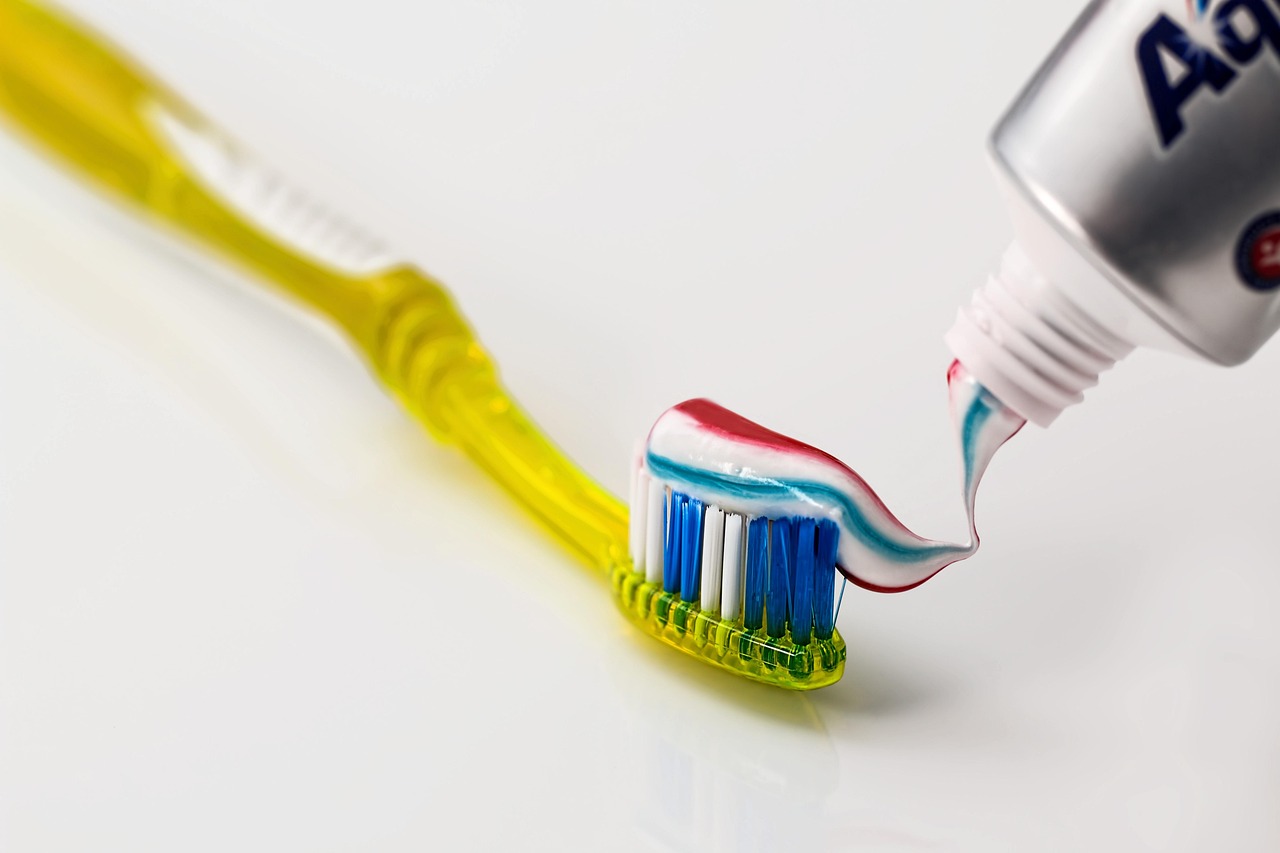
Brushing morning and night with fluoride toothpaste remains one of the most effective daily habits for protecting teeth. Use a soft-bristled brush and gentle pressure. Angle the bristles toward the gumline, clean the outer, inner, and chewing surfaces, and give the back teeth the same attention as the visible front teeth.
A timer can help because two minutes is longer than many people think. Many powered brushes include timers and pressure alerts, but a manual brush can work well with good technique. Replace the brush or brush head every three to four months, or sooner when bristles become frayed.
Do not rinse away all the fluoride immediately with a large amount of water. Spit out excess toothpaste and follow the directions on the product. Children need an age-appropriate amount of fluoride toothpaste and adult supervision to avoid swallowing it.
Resolution 2: Clean Between Your Teeth Every Day
A toothbrush cannot reach all the surfaces where neighboring teeth touch. Plaque left between teeth can contribute to cavities and gum inflammation even when the front surfaces look clean. Floss is one option, but interdental brushes, water flossers, floss holders, and specialty threaders may work better for certain mouths.
The right tool depends on spacing, bridges, implants, braces, hand mobility, and personal preference. Ask the hygiene team to show you a method that feels realistic. It is better to use a suitable device consistently than to purchase an elaborate tool that stays in a drawer.
Attach the habit to something you already do. Clean between teeth before your evening brush, while listening to a podcast, or immediately after setting out the next day’s clothes. A reliable cue reduces the need to remember from scratch every night.
Resolution 3: Schedule Preventive Care Before You Have Pain
Professional cleaning removes tartar that cannot be brushed or flossed away at home. An exam can identify early decay, gum disease, cracked teeth, bite changes, and failing dental work before they become emergencies. Your recommended visit frequency depends on your oral health and risk factors.
During a professional teeth cleaning, the team can also review brushing technique, discuss dry mouth, and recommend products for sensitivity or plaque control. Preventive care is not just a polish; it is an opportunity to identify patterns and adjust your plan.
Make the appointment while motivation is fresh. Put it on the calendar, arrange transportation or child care if needed, and complete new-patient paperwork ahead of time. Our new-patient information explains what to expect at Markham Family Dental Associates.
Resolution 4: Do Not Normalize Bleeding Gums
Occasional irritation can happen, but gums that repeatedly bleed, swell, recede, or feel tender deserve attention. Gingivitis may improve with thorough plaque removal and professional care, while more advanced periodontal disease can involve the bone supporting the teeth.
Continue gentle brushing and daily interdental cleaning unless your dentist gives different instructions. Avoiding a bleeding area allows more plaque to remain. At the same time, do not scrub aggressively, which can injure tissue and contribute to recession.
Our gum disease treatment may include deep cleaning and ongoing periodontal maintenance based on the diagnosis. Earlier evaluation generally gives the team more options for protecting the teeth and supporting tissues.
Resolution 5: Make Water Your Everyday Drink
Water rinses food debris without adding sugar. Fluoridated water can also support cavity prevention. Keep water available at work, in the car, during exercise, and at family meals so it becomes the easy default.
Soda, sweet tea, sports drinks, energy drinks, juice, and flavored coffee expose teeth to sugar, acid, or both. The sipping pattern matters. A drink finished with a meal creates a shorter exposure than the same drink consumed over several hours.
Start with one practical substitution. Replace an afternoon soda with water, stop carrying juice in a reusable bottle, or remove sweetener from one daily coffee. Sustainable changes are more valuable than a strict plan that lasts only a week.
Resolution 6: Reduce Tobacco and Nicotine Use
Tobacco use affects much more than tooth color. It increases the risk of gum disease, delayed healing, tooth loss, and oral cancer. Smokeless tobacco also exposes oral tissues to harmful substances. Vaping is not a harmless alternative and may contribute to dry mouth and irritation.
Quitting can be difficult, and willpower is not the only tool. Speak with your physician, dentist, or pharmacist about evidence-based cessation support. Set a quit date, identify triggers, and involve people who can encourage you.
Regular dental visits remain important for anyone with a history of tobacco use because the team examines the lips, tongue, cheeks, throat area, and other oral tissues for changes. Markham includes oral cancer screening as part of routine evaluation.
Resolution 7: Address Tooth Pain Before It Controls Your Schedule
A toothache rarely improves because the calendar changed. Sensitivity may come from exposed dentin, a cavity, a crack, gum recession, a worn filling, or inflammation inside the tooth. Pain that lingers, throbs, wakes you at night, or appears with swelling needs prompt evaluation.
Delaying can turn a smaller problem into an urgent one. Early decay may need a tooth-colored filling. A badly weakened tooth may need a crown, while an infected pulp may require root canal treatment. The correct option depends on the diagnosis.
For significant swelling, broken teeth, lost restorations, or urgent pain, visit our emergency dentistry page and call the office. Trouble breathing or swallowing requires emergency medical attention.
Resolution 8: Protect Teeth From Grinding and Sports Injuries
Clenching and grinding can wear enamel, chip restorations, and contribute to jaw discomfort or morning headaches. Many patients grind during sleep without realizing it. A dentist can look for wear patterns and determine whether a custom nightguard or bite-related treatment is appropriate.
Our TMJ and TMD evaluation considers jaw pain, clicking, bite-related symptoms, and grinding. A store-bought guard is not ideal for every patient, especially when the bite is changing or significant dental work is planned.
Children and adults who participate in contact or collision sports should use an appropriate athletic mouthguard. Replace it when it becomes damaged, no longer fits, or a child’s mouth changes with growth and tooth eruption.
Resolution 9: Plan Cosmetic Goals in the Right Order
A New Year can inspire patients to improve tooth color, alignment, shape, or spacing. Cosmetic care works best when the teeth and gums are healthy first. Treat active decay and inflammation, then coordinate the sequence of whitening, orthodontics, bonding, veneers, or restorative work.
Professional teeth whitening can brighten natural enamel but will not change the color of crowns, veneers, implants, or fillings. Clear aligners may improve mild to moderate alignment concerns, while porcelain veneers address selected color and shape concerns.
A cosmetic consultation should include realistic expectations, maintenance needs, cost, and the most conservative option capable of achieving the goal. Avoid irreversible treatment when a simpler approach will work.
Resolution 10: Replace Missing Teeth and Restore Comfortable Eating
Missing teeth can affect chewing, speech, appearance, and how remaining teeth share bite forces. Some patients adapt by avoiding certain foods or chewing only on one side, but that does not resolve the underlying problem.
Replacement options include dental bridges, dentures, and dental implants. Each has different requirements, benefits, maintenance needs, and costs. Implant-supported options can provide additional stability for some patients, while traditional treatment may be appropriate for others.
A consultation and imaging help determine what is possible based on bone, gum health, medical history, and personal priorities. The best plan is the one that fits your mouth and can be maintained long term.
Resolution 11: Review Insurance and Financing Early
Dental benefit plans vary widely. Deductibles, annual maximums, waiting periods, networks, and covered percentages can influence timing, but coverage language should not be confused with a diagnosis. Ask what treatment is recommended first, then discuss how to use benefits responsibly.
At the beginning of the year, review your plan documents and flexible spending options. If treatment will occur in stages, early planning may help spread appointments and costs. Markham’s insurance and financing information explains benefits verification and available financing options.
Do not wait for the final weeks of the year to begin a multi-step plan. Scheduling, healing, laboratory work, and insurance processing all require time.
Resolution 12: Create a Family Oral-Health Routine
Shared routines make healthy behavior easier. Keep toothbrushes and toothpaste visible, choose a consistent brushing time, and let children see adults caring for their own teeth. Use music or a timer to make two minutes concrete.
Young children need hands-on help, and older children often need reminders and periodic supervision. Adults caring for aging parents should also watch for dry mouth, difficulty cleaning, loose dentures, medication changes, or reduced ability to chew.
Our family dentistry services allow different generations to receive preventive and restorative care in the same Harlan practice.
A Simple 30-Day Smile Reset
Instead of attempting every change at once, use a short plan:
- Week 1: Schedule an exam, replace a worn toothbrush, and brush for a timed two minutes.
- Week 2: Add daily interdental cleaning and place supplies where you will use them.
- Week 3: Replace one sugary drink with water and stop grazing after the evening brush.
- Week 4: Review symptoms, dental goals, insurance information, and the next appointment.
Track consistency rather than perfection. Missing one night does not erase your progress; return to the routine the next day.
Make This the Year Your Smile Gets a Clear Plan
The New Year is a useful reminder, but oral health improves through ordinary choices made throughout the year. Brush with fluoride toothpaste, clean between teeth, drink water, address symptoms early, and use professional care to guide cosmetic or restorative decisions.
Markham Family Dental Associates has served Harlan and Shelby County families since 1990. To begin the year with an exam, cleaning, or personalized treatment plan, request an appointment or call (712) 755-5342.
People Ask
 Dr. Roy Burkhalter, DDS


.svg)