


.svg)
.svg)
Dental Sealants in Harlan, IA
A thin protective coating applied to the back teeth can prevent up to 80% of cavities in children. Fast, painless, and one of the most cost-effective preventive treatments in dentistry.

.svg)
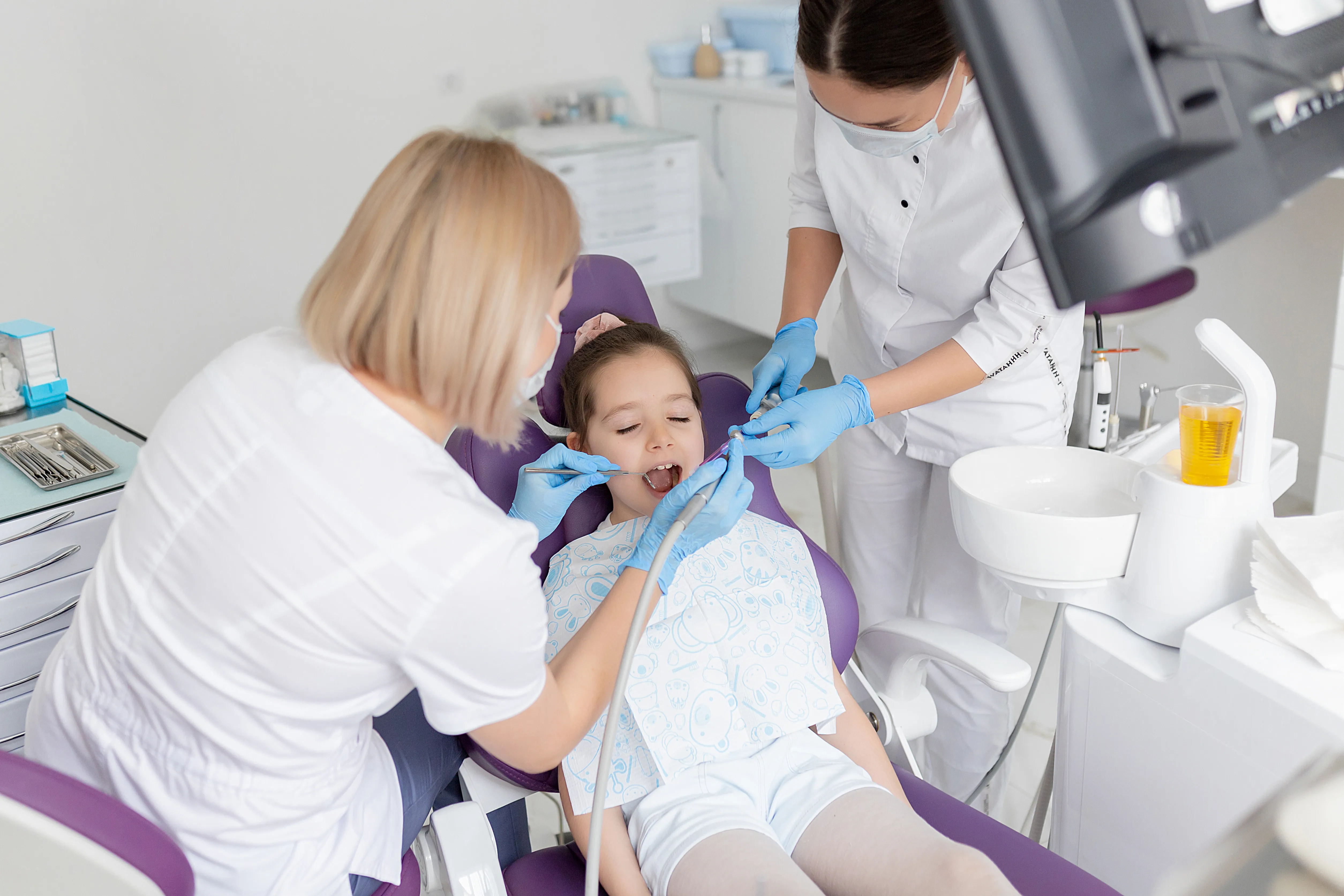
Dental Sealants at Markham Family Dental Associates
The back molars are where most cavities form. Their deep grooves and pits trap food and bacteria that brushing often cannot reach, even in patients with good oral hygiene. Dental sealants fill those grooves with a thin protective layer that keeps decay from starting in the first place.
Sealants are most commonly recommended for children, but adults with deep grooves and no existing decay or fillings can benefit from them too. The application takes minutes, requires no drilling, and can protect a tooth for up to 10 years.

What Are Dental Sealants?
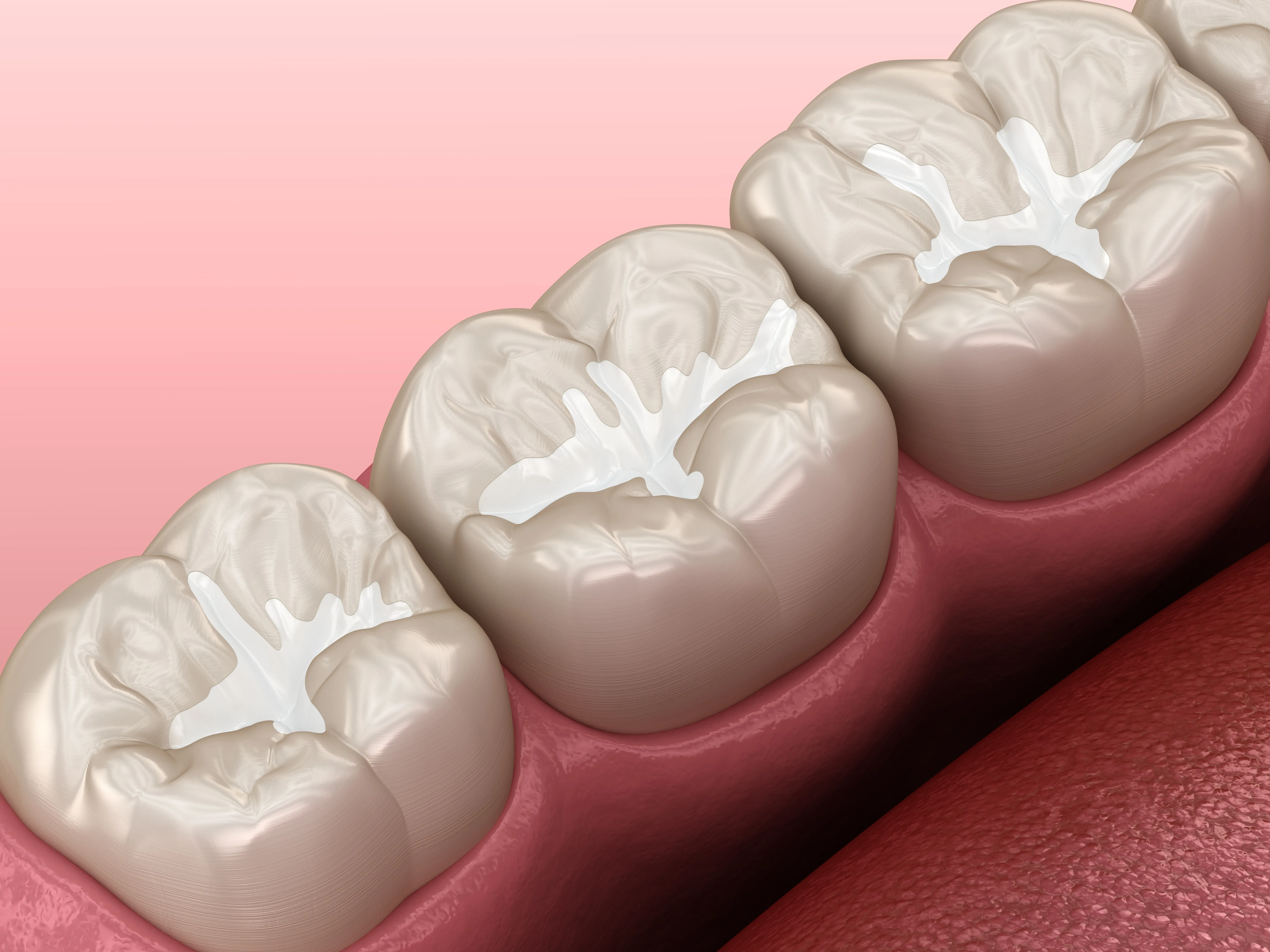
Dental sealants are thin plastic coatings painted onto the chewing surfaces of the back teeth, specifically the molars and premolars. Once applied, the coating bonds into the grooves of the tooth and hardens to create a smooth, protective barrier against plaque and food particles.
The procedure is quick, completely painless, and requires no anesthesia. There is no drilling involved. For most patients, all four molars can be sealed in a single appointment that takes less than 30 minutes.
Types of Sealants We Use
The material and application method depend on the tooth being treated and the patient's age.

Resin-Based Sealants
The most common type. A tooth-colored resin is painted onto the tooth and hardened with a curing light. Durable and effective for up to 10 years with regular monitoring at checkups.
Glass Ionomer Sealants
A fluoride-releasing material used in situations where moisture control is more difficult, such as on teeth that are still partially erupting. Bonds well even in less-than-ideal conditions.
Molar Sealants
The first and second permanent molars are the most common teeth to seal. They erupt around ages 6 and 12 and are the most cavity-prone teeth in the mouth.
Premolar Sealants
Premolars also have grooves that collect plaque. Sealing them alongside the molars gives broader protection across the back teeth where most decay originates.
The Benefits of Dental Sealants
Sealants do one job, but they do it exceptionally well.
Prevents Up to 80% of Cavities
Studies show sealants prevent up to 80% of cavities in the back teeth during the first two years and continue to protect against 50% for up to four years.
No Drilling, No Needles
The entire process is non-invasive. No anesthesia, no drilling, no discomfort. For children who are nervous about dental work, sealants are one of the easiest procedures to complete.
Lasts Up to 10 Years
With regular monitoring at checkups, sealants can protect teeth for up to a decade. If a sealant chips or wears down, it can be easily reapplied.
Sealants vs. No Sealants
What the research shows about protecting your child's back teeth.
With Sealants:
.svg)
Up to 80% fewer cavities in the molars
Smooth surface that is easy to clean
No food and bacteria trapped in grooves
Lower lifetime dental costs
Protection lasts up to 10 years
Without Sealants:
.svg)
Deep grooves collect plaque and food daily
Brushing often cannot fully clean molar surfaces
Higher risk of cavities forming between checkups
Cavities require drilling and filling
Small cavities can become large ones if missed
Sealants are not a substitute for brushing, flossing, or regular cleanings. They are an extra layer of protection for the spots that are hardest to keep clean.
Who Should Get Dental Sealants?
Sealants are not right for every tooth. Here is how to tell if they make sense.
Good candidates include:
Children aged 6 to 14 whose permanent molars have recently erupted
Teenagers with deep grooves and a history of cavities
Adults with deep molar grooves and no existing fillings or decay in those teeth
Patients with limited dexterity who find thorough brushing of back teeth difficult
Anyone whose hygienist has identified specific teeth at high risk for decay
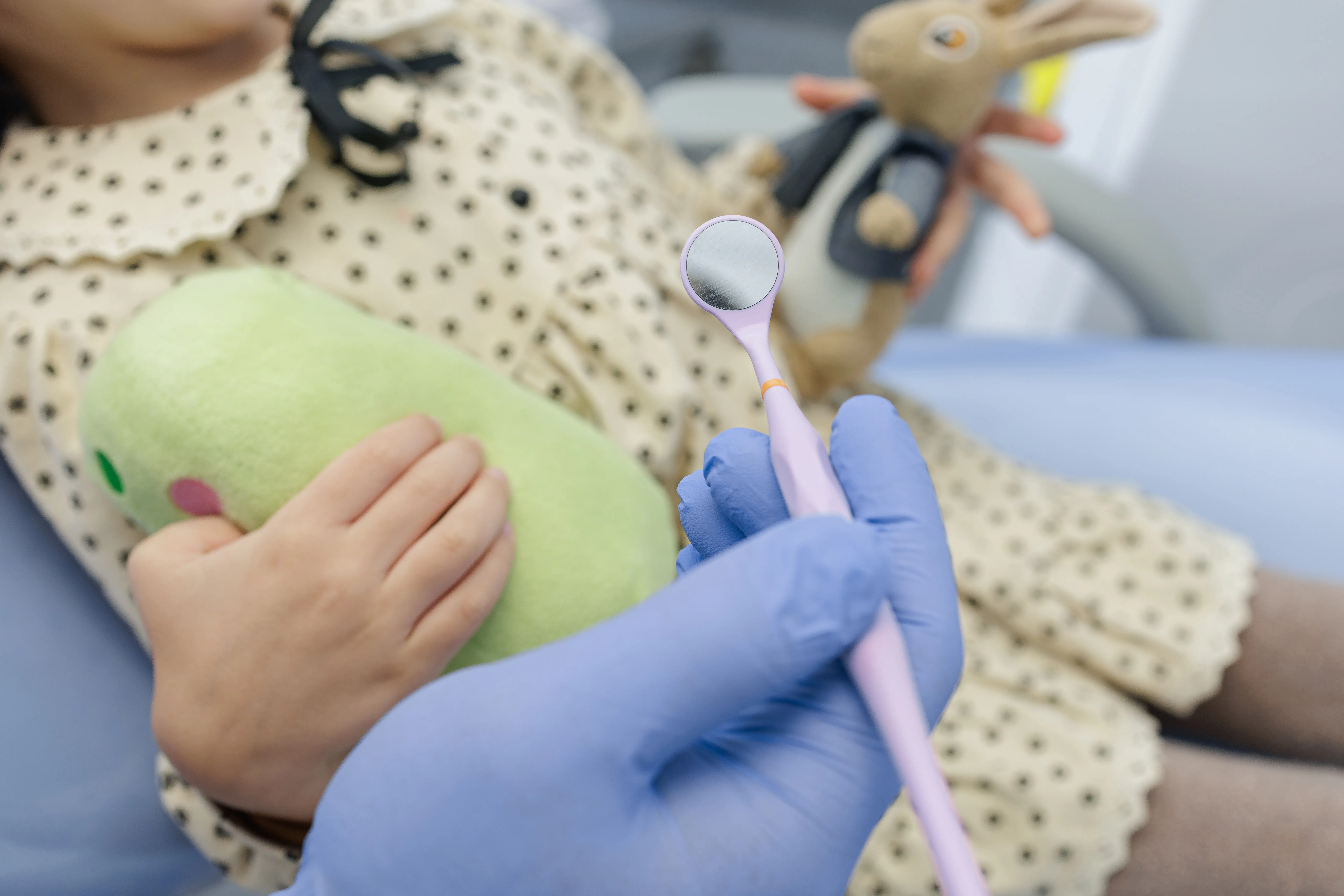
Sealants cannot be applied over existing decay or fillings. If a tooth already has a cavity, it needs to be treated first. Your hygienist will check each tooth before recommending sealants.
How Sealants Are Applied
1
Cleaning and Preparation
The tooth is cleaned and dried thoroughly. Any plaque or debris in the grooves is removed before the sealant is applied. A clean, dry surface is essential for the sealant to bond correctly.
2
Etching the Tooth Surface
A mild acid solution is applied to the chewing surface of the tooth for a few seconds. This creates a slightly rough texture that helps the sealant grip the tooth. It is then rinsed off and the tooth is dried again.
3
Applying the Sealant
The liquid sealant is painted directly into the grooves of the tooth. It flows into the pits and fissures and fills them completely, creating a smooth, sealed surface.
4
Curing with a Light
A small curing light is held over the tooth for a few seconds to harden the sealant. Once hardened, it bonds firmly to the tooth surface and is ready to use immediately.
5
Bite Check and Final Review
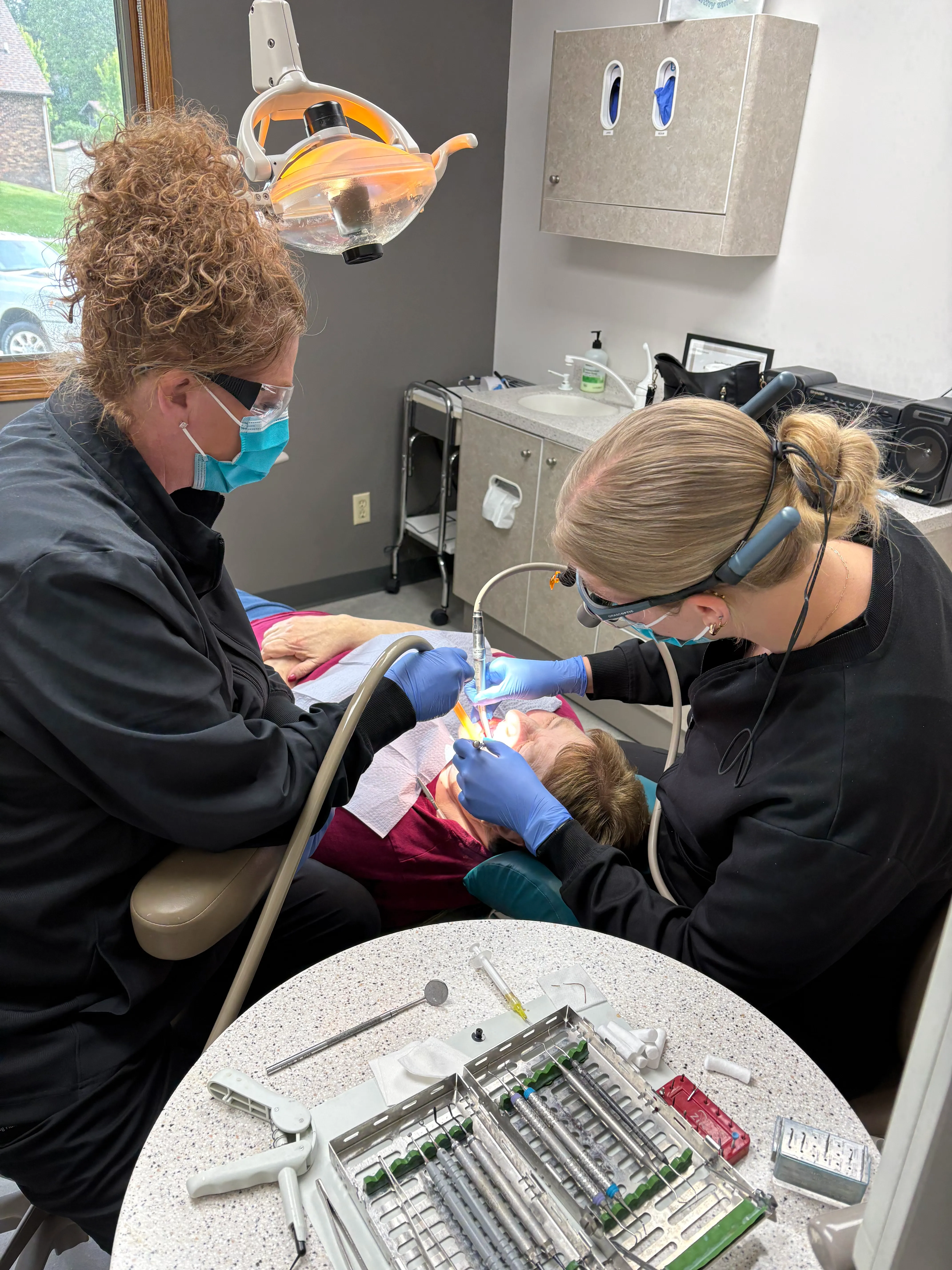
Your hygienist checks your bite to make sure the sealant does not interfere with how your teeth come together. Any minor adjustments are made on the spot. The entire process typically takes less than 30 minutes for all four molars.
Words From Our Patients
Why Patients Choose Markham Family Dental for Sealants
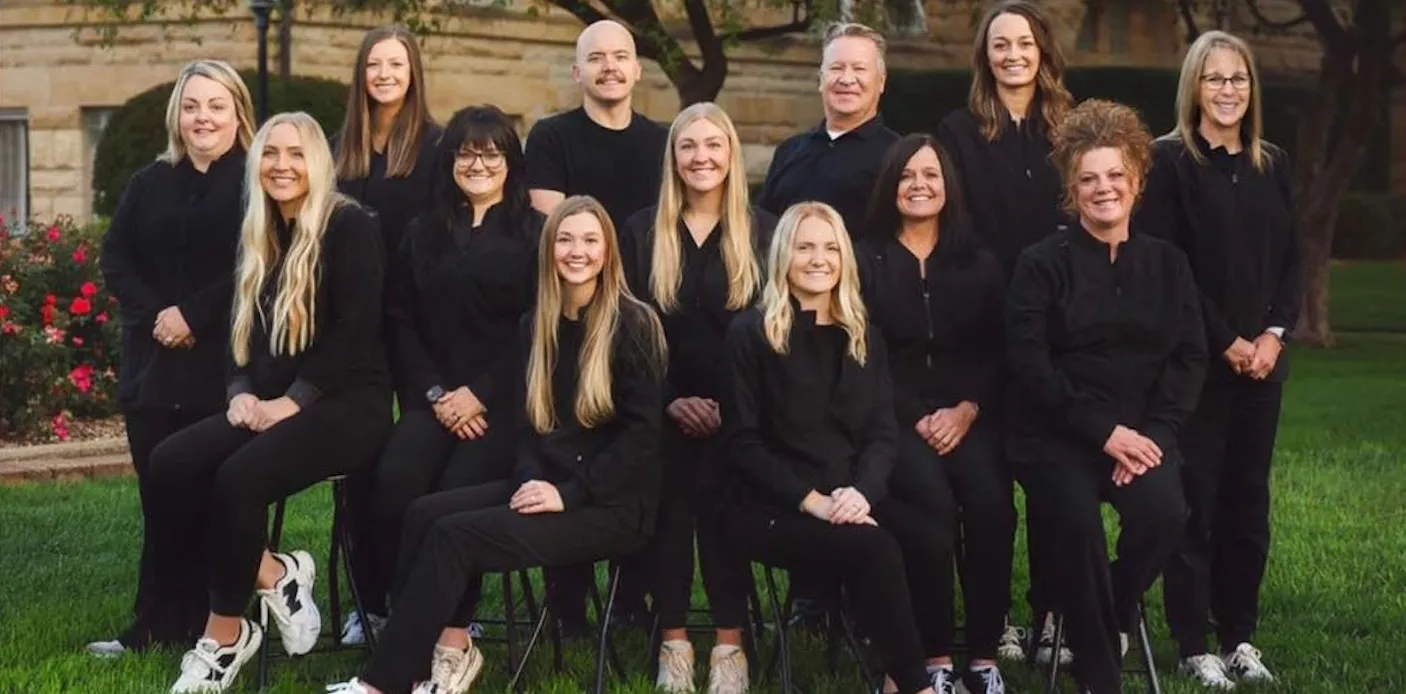
A team that makes kids and parents feel comfortable
Meet the Team


Digital X-rays and thorough exams to catch problems before they start
Our Technology
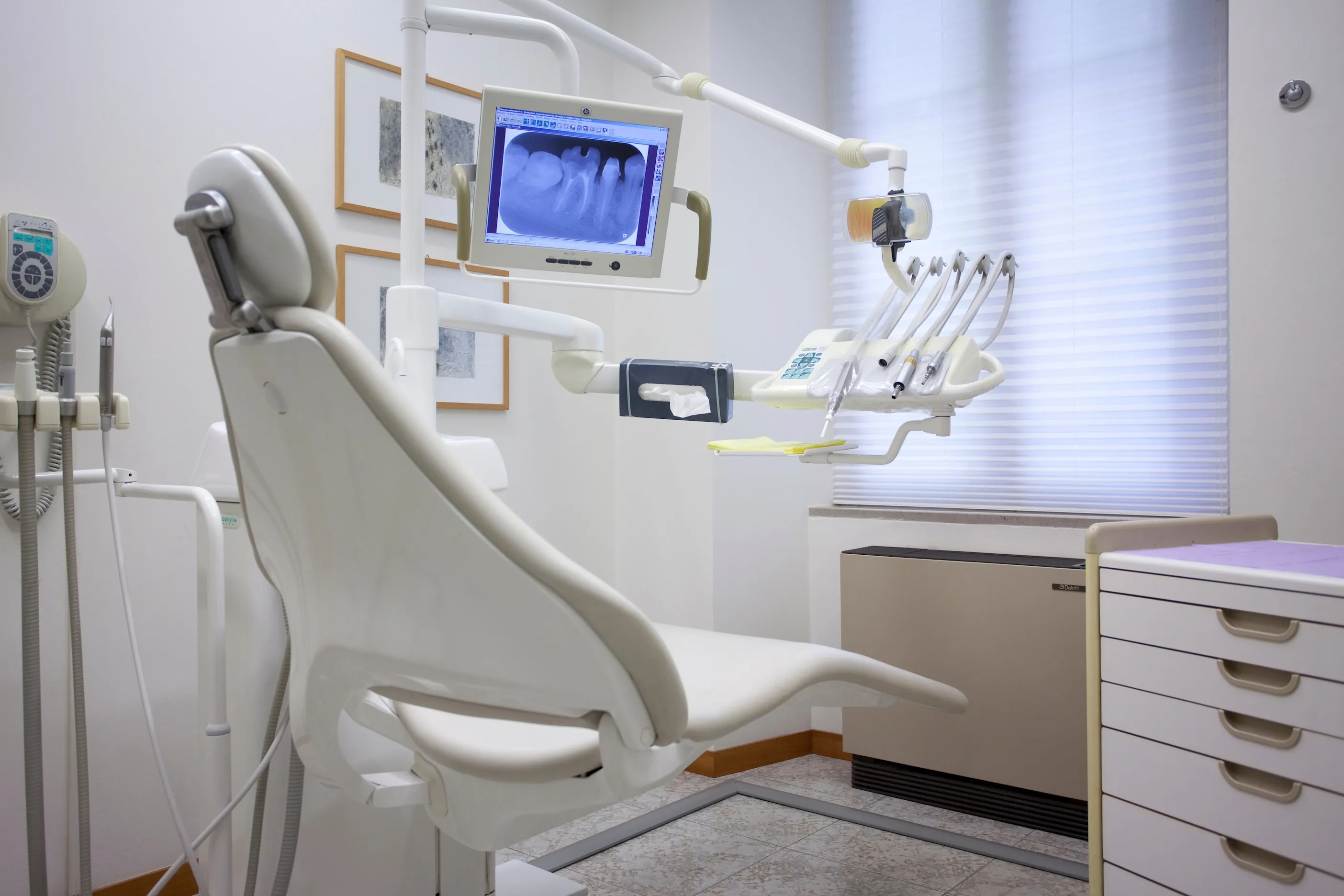
Fast, painless preventive care for the whole family in Harlan
Our Services
What are dental sealants and how do they work?
At what age should kids get dental sealants?
How long do dental sealants last?
Are dental sealants covered by insurance?
Can adults get dental sealants?
Can sealants be applied over a cavity?
Do sealants replace brushing and flossing?
Are dental sealants safe?
Prepare for Your Visit
Patient Forms
Download and complete your forms before your appointment to save time when you arrive. Plan to come in 10 to 15 minutes early so we can get you settled.
Learn More

Insurance and Financing
We work with many PPO dental insurance plans and can file claims on your behalf when insurance applies. Financing options may be available for patients who need flexible payment options. Ask our front desk what works best for your situation.
Learn More
Contact Us
Start the Conversation
Address
2105 Pine St
Harlan, IA 51537, US
Harlan, IA 51537, US
Hours
Mon - Tue: 8:00am - 5:00pm
Wed: 7:00am - 2:00pm
Thu: 8:00am - 5:00pm
Fri: 7:00am - 12:00pm
Sat - Sun: Closed

(712) 755-5342

.svg)