



.svg)
.svg)
Dental Crowns in Harlan, Iowa
A tooth that is cracking, breaking down, or no longer able to support a filling may not have to be lost. Our team restores damaged teeth with custom dental crowns designed to protect the tooth, restore function, and hold up well with proper care.

.svg)
Dental Crowns at Markham Family Dental Associates
A dental crown is commonly recommended when a tooth is too cracked, weakened, or damaged to support a filling. Many patients delay treatment because they worry it will be complicated or expensive, but a crown is often a straightforward way to protect the remaining tooth structure and restore normal chewing. The bigger concern is what may happen if a weakened tooth continues to break down before it is treated.

What Is a Dental Crown?
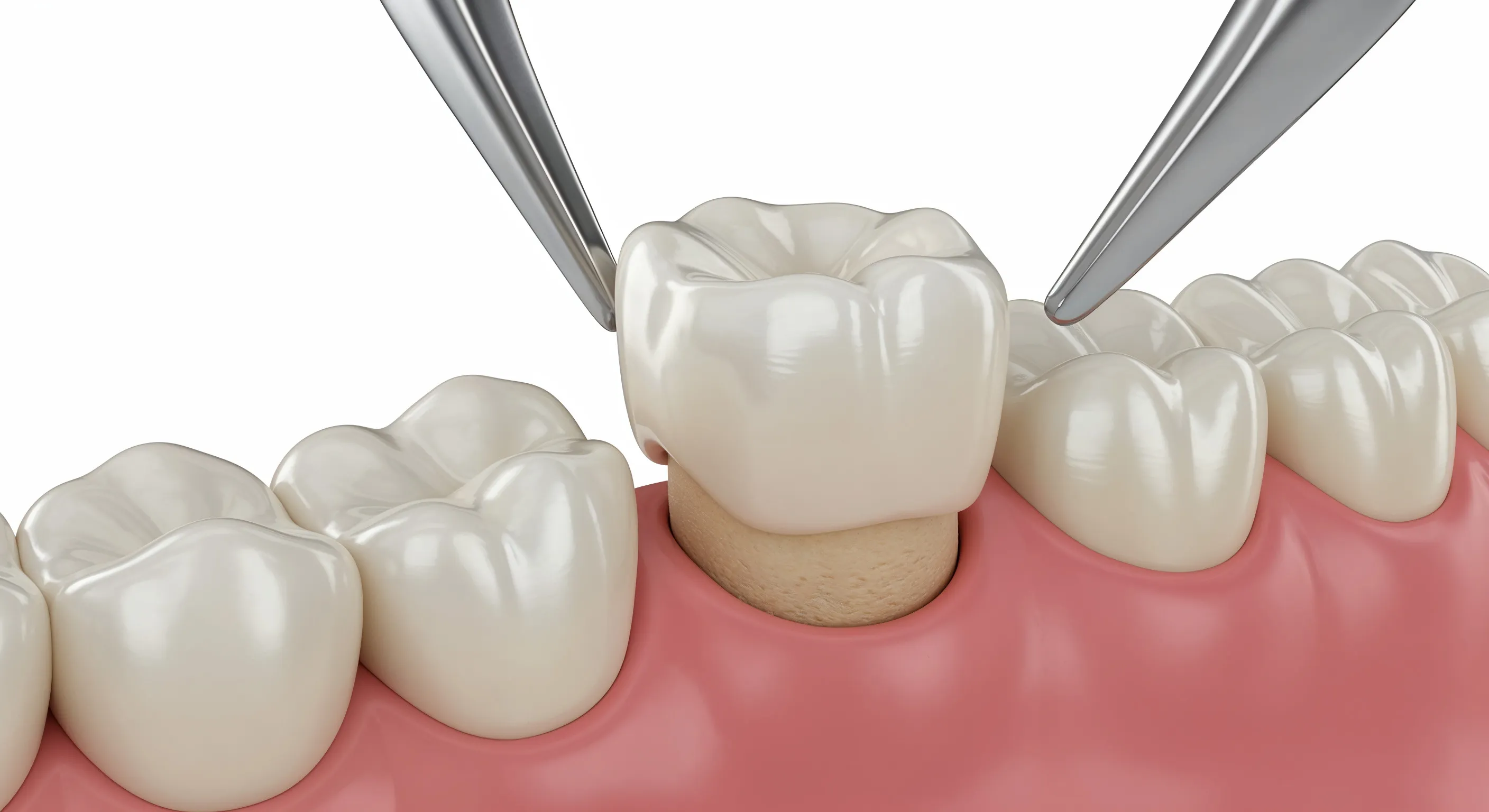
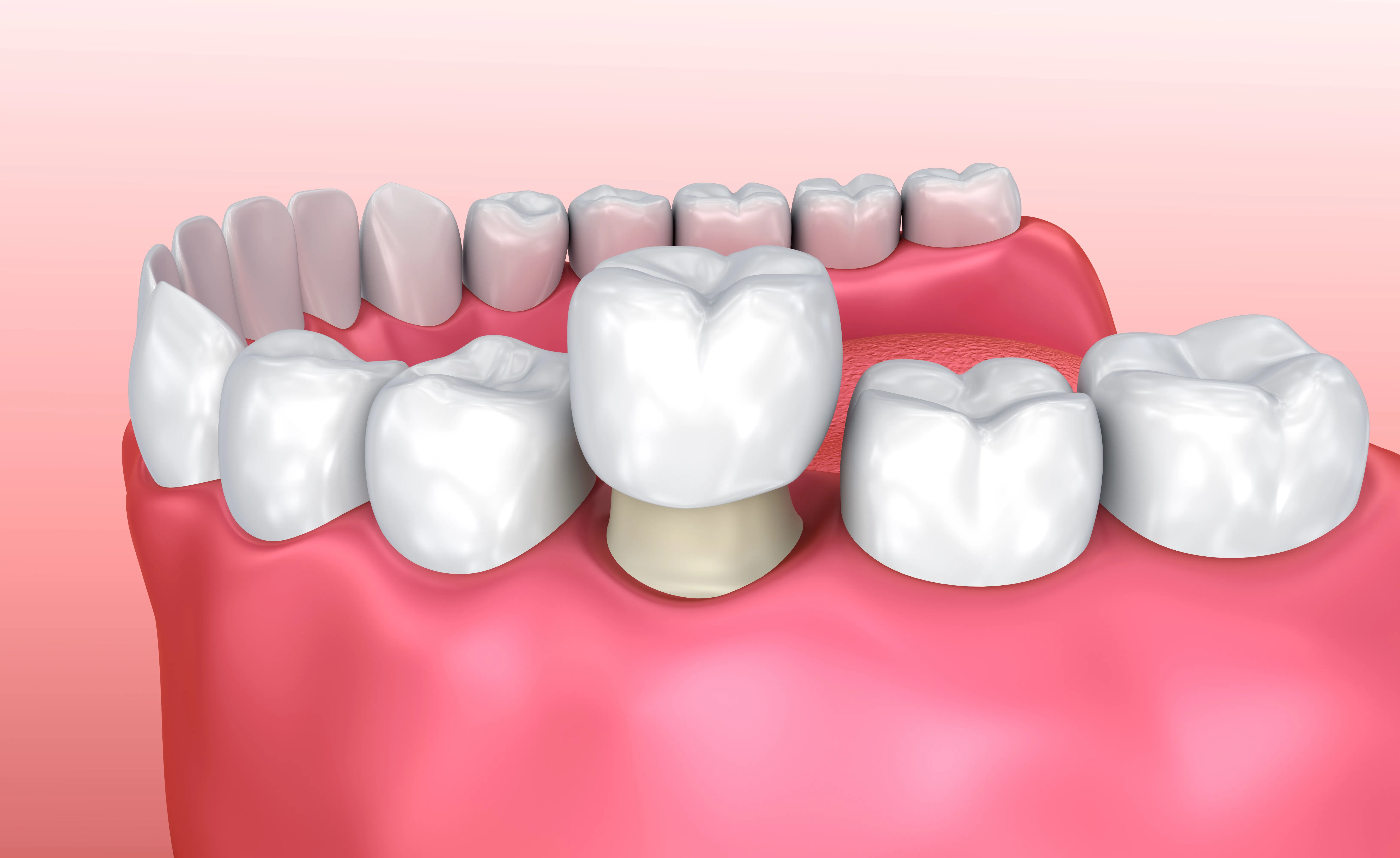
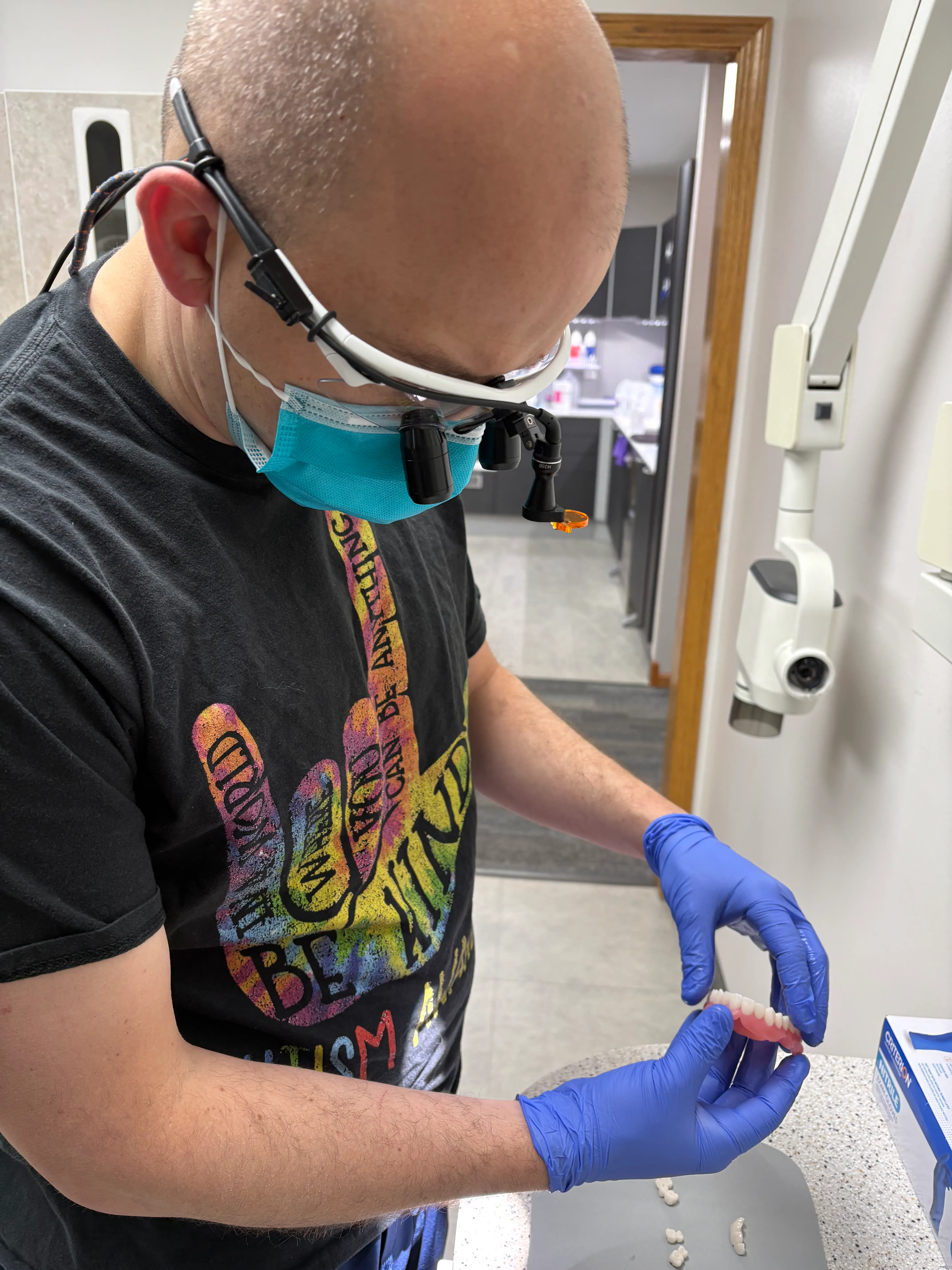
A dental crown is a custom-made cap that fits over a prepared tooth and covers the visible portion above the gumline. It helps restore the tooth’s shape, size, strength, and function. Once cemented in place, the crown is designed to handle normal chewing and biting forces while protecting the tooth underneath.
The tooth underneath remains. The crown becomes its new outer surface, made from a material chosen for strength, longevity, and appearance. Every crown is fabricated specifically for the tooth it will cover, based on a digital scan taken at the preparation appointment.
Does Your Tooth Actually Need a Crown?
Crowns are often recommended when a tooth needs more protection than a filling can provide. Here are common situations where a crown may be the better option and why a smaller restoration may not be enough.

A Tooth That Is Cracking
A deep crack may not be stable enough for a filling alone. Biting pressure can flex the tooth and allow the crack to worsen over time. A crown wraps around the tooth to help stabilize and protect it. Without treatment, some cracks can eventually reach the nerve or extend into the root, which may make the tooth harder or impossible to save.
After a Root Canal on a Back Tooth
Back teeth that have had root canal treatment are often more vulnerable to fracture because they have lost internal tooth structure and still absorb heavy chewing forces. A crown can help protect the remaining tooth and the root canal work underneath, especially on molars and premolars.
A Filling That Has Used Up the Tooth
When a large filling fails and there is not enough natural tooth structure left to support another one, a crown may be the more reliable option. A crown helps distribute chewing force across the remaining tooth instead of relying on another large filling that may not have enough support.
A Broken Tooth
A significant fracture that removes a large portion of the tooth may need to be rebuilt before it can function normally again. Depending on how much tooth remains above the gumline, treatment may involve a core buildup followed by a crown. Fillings or bonding may not provide enough strength when the damage is more extensive.
Severe Wear From Grinding
Patients who grind heavily over time can wear their back teeth down enough to affect chewing comfort, tooth height, and sensitivity. Crowns may help rebuild lost structure and protect the remaining tooth, especially when combined with a night guard to reduce future wear.
What Changes After a Crown
A crown is not just about improving the look of a tooth. It is a restorative treatment that helps protect a weakened tooth, improve function, and reduce the risk of further damage.
The Tooth Stops Getting Worse
A cracked or broken tooth can continue to deteriorate under chewing pressure if it is not protected. A crown helps seal, stabilize, and protect the tooth from the forces that may be contributing to the damage.
You Can Eat Normally Again
Patients with cracked or heavily damaged teeth often start avoiding one side of the mouth or skipping certain foods. A crown can help restore more comfortable chewing so you are not constantly working around the damaged tooth.
The Tooth Is Protected for the Long Term
A crown can last many years when it is well fitted and maintained with regular dental care. For a root-treated back tooth, crown protection can reduce the risk of fracture and help preserve the work already done to save the tooth.
You Stop Thinking About It
Cracked or failing teeth can make everyday chewing stressful. Once the crown is placed, adjusted, and comfortable, many patients are able to eat with more confidence and stop worrying about the tooth as much.
What the Process Looks Like
1
Exam and Planning
Our team examines the tooth, takes X-rays, and determines how much healthy structure remains. If the tooth needs a core buildup before the crown can be placed, we include that in the plan. Before treatment begins, we explain what we recommend, why we recommend it, which crown material may be best, and what the estimated cost will be.
2
Preparation and Temporary Crown
The tooth is numbed and shaped to create the space the crown needs to sit correctly. A digital scan is taken and sent to the lab. A temporary crown is placed to protect the tooth and maintain the bite while the permanent crown is fabricated. Turnaround time can vary, but many lab crowns are ready within one to two weeks.
3
Permanent Crown Placement
The temporary crown is removed, and the permanent crown is tried in and checked for fit, color match, and bite before it is cemented. Once everything looks and feels right, the crown is bonded in place. Any final bite adjustments are made chair-side, and most patients return to normal function shortly after the appointment.
Words From Our Patients
Do I really need a crown, or is a filling good enough?
My root canal was done years ago and I never got a crown. What happens now?
Does getting a crown hurt?
How long does a crown last?
How much does a dental crown cost in Iowa?
What is the difference between a crown and a cap?
Prepare for Your Visit
Patient Forms
Download and complete your forms before your appointment to save time when you arrive. Plan to come in 10 to 15 minutes early so we can get you settled.
Learn More

Insurance and Financing
We work with many PPO dental insurance plans and can file claims on your behalf when insurance applies. Financing options may be available for patients who need flexible payment options. Ask our front desk what works best for your situation.
Learn More
Contact Us
Start the Conversation
Address
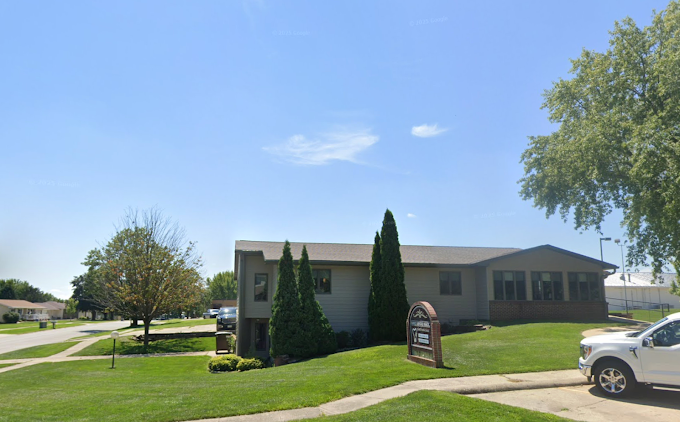
2105 Pine St
Harlan, IA 51537, US
Harlan, IA 51537, US
Hours
Mon - Tue: 8:00am - 5:00pm
Wed: 7:00am - 2:00pm
Thu: 8:00am - 5:00pm
Fri: 7:00am - 12:00pm
Sat - Sun: Closed

(712) 755-5342

.svg)