


.svg)
.svg)
TMJ/TMD Treatment in Harlan, Iowa
If you have jaw pain, clicking, headaches, tooth wear, or morning soreness from clenching or grinding, our team can evaluate your bite and jaw function and recommend the right next step.

.svg)
What Is TMJ/TMD, and What Causes Jaw Pain?
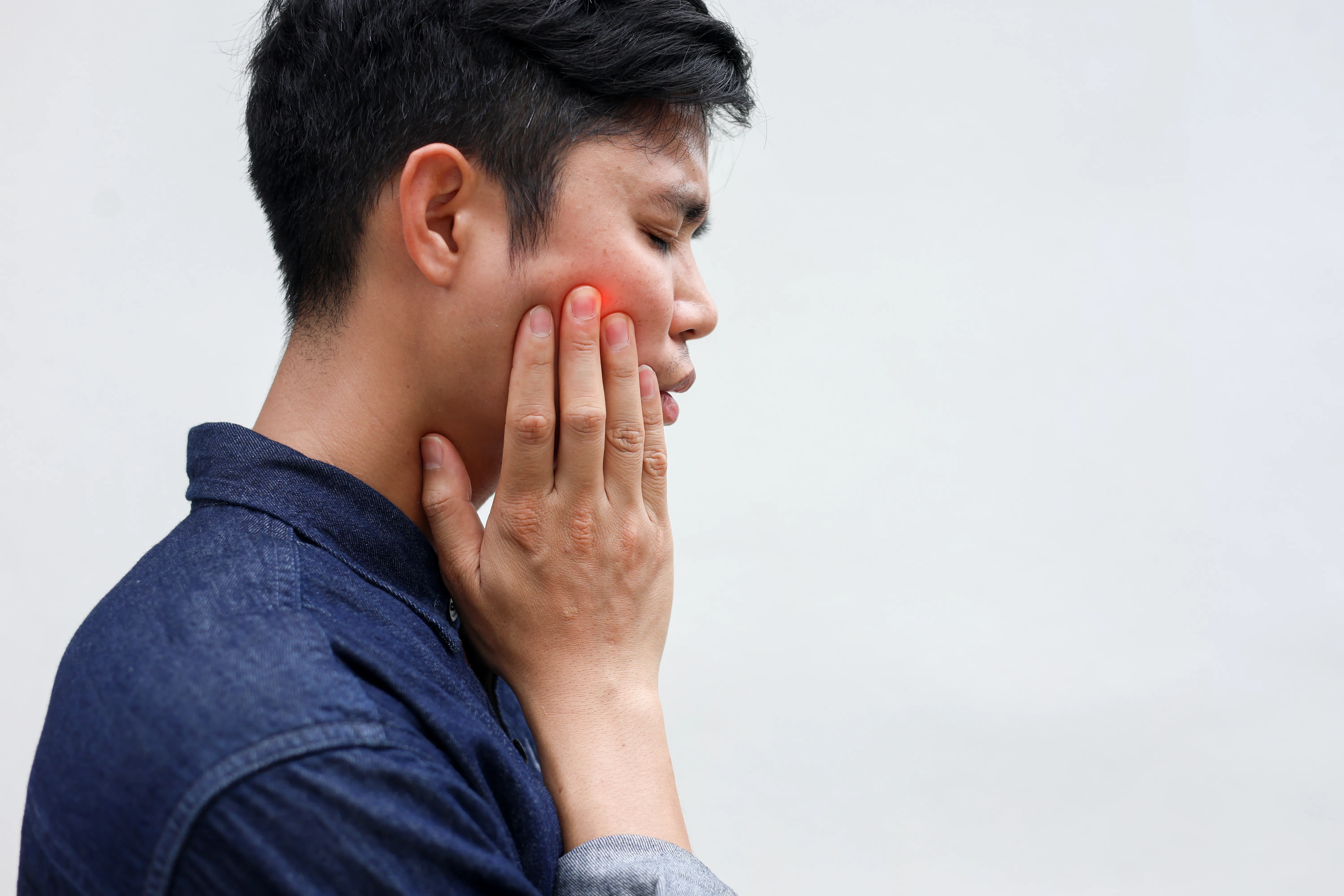
TMJ disorders, also called TMD, affect the jaw joints and the muscles that move your jaw, causing pain, clicking, headaches, or a jaw that locks. They are often linked to teeth grinding or a misaligned bite. At Markham Family Dental in Harlan, treatment usually starts with a custom night guard and a bite evaluation.
Our team evaluates jaw joint function, muscle tenderness, bite alignment, and the condition of the teeth for signs of grinding and clenching. For most patients, the dental role is managing symptoms with a custom occlusal appliance, reducing the load on the joint, and protecting the teeth from further damage. We also coordinate with physical therapists and specialists when the case requires it. We see patients from Harlan, Avoca, Atlantic, Minden, and Shelby, and no referral is needed to start.
Symptoms That Point Toward a TMJ Disorder
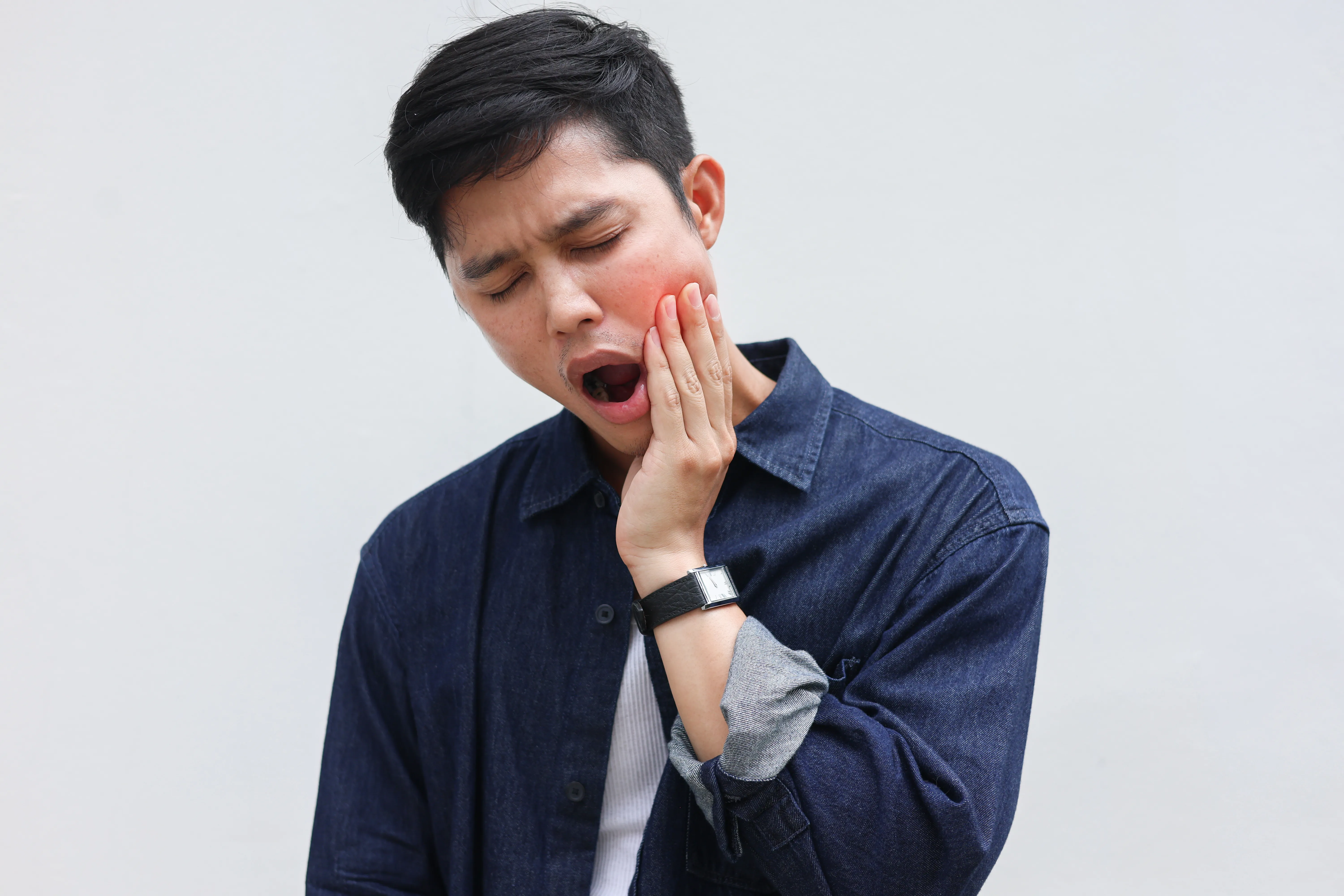
TMD symptoms are wide-ranging and often seem unrelated to each other. That is part of why it takes many patients years to connect them to the jaw.
.svg)
Jaw Pain or Soreness That Is Worse in the Morning
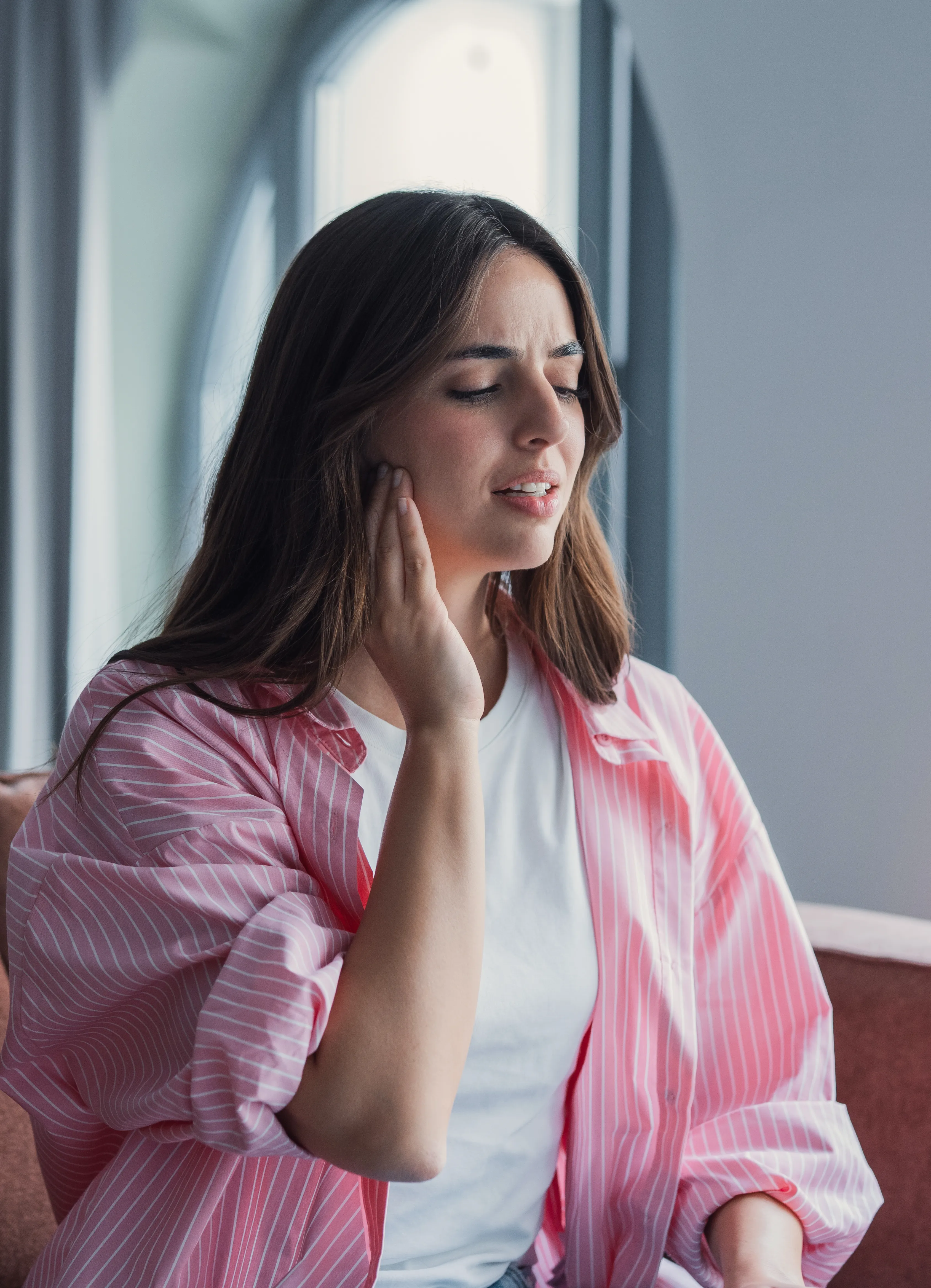
Pain or stiffness in the jaw when you wake up can be a sign of nighttime clenching or bruxism. The muscles that control jaw movement may be overworked during sleep, which can leave the jaw feeling sore or tired in the morning.
Clicking, Popping, or Grinding Sounds When You Chew
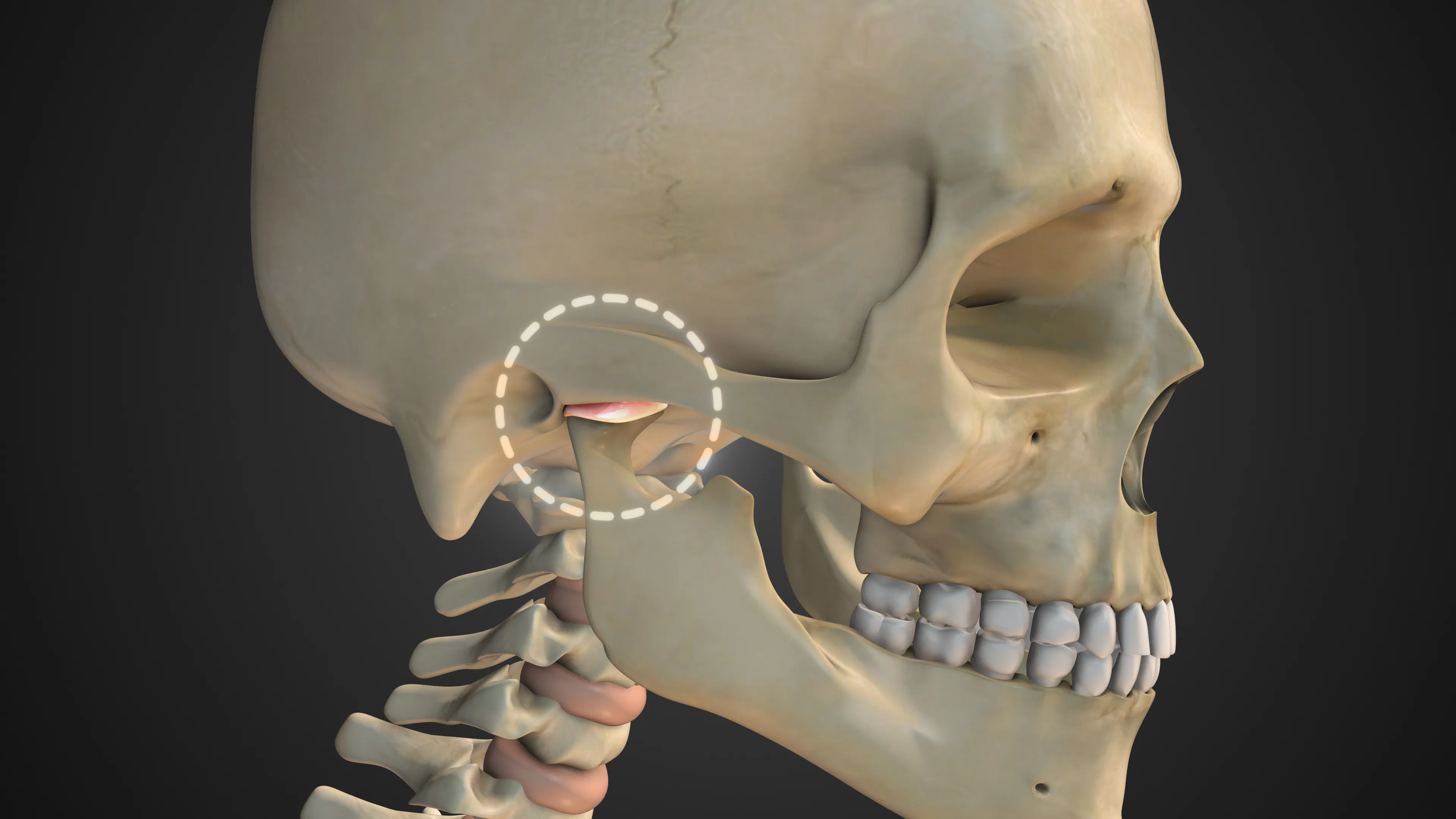
Sounds from the jaw joint indicate the disc inside the joint is not moving smoothly. Occasional clicking without pain is common and may not require treatment. Clicking with pain, limited opening, or locking suggests the joint needs evaluation.
Headaches Concentrated at the Temples or Behind the Eyes
The temporalis muscle runs along the sides of the head and is involved in jaw movement. When it is overloaded from clenching, it can contribute to tension-type headaches around the temples or behind the eyes. These headaches may be more noticeable in the morning or worsen through the day.
Ear Pain or Fullness Without Infection
The jaw joint sits directly in front of the ear canal. Joint inflammation or muscle tension in that area can create pressure, fullness, aching, or ringing sensations that may feel similar to ear-related problems. If ear infections or other ear conditions have been ruled out, a TMJ evaluation may be worth considering.
Teeth That Are Flattening, Chipping, or Becoming Sensitive
Teeth that are visibly shorter than they used to be, notched at the gumline, chipped, or increasingly sensitive may be showing signs of grinding or clenching. Many patients who grind do not do it consciously and may not realize the extent of the wear until it becomes visible.
Jaw That Locks Open or Closed
A jaw that sticks when you open wide or will not fully close may involve a disc displacement or another joint-related issue. The disc inside the joint may not be moving smoothly, which can interfere with normal jaw movement. Jaw locking should be evaluated, especially if it happens repeatedly or limits opening.
TMD and Bruxism: Related but Not the Same
Bruxism is the habit of grinding or clenching the teeth, often during sleep and sometimes while awake under stress. TMD refers to problems involving the jaw joint, the surrounding muscles, or both. The two can occur together because clenching and grinding may place extra load on the jaw joint and muscles. A custom appliance can help protect the teeth from bruxism and may reduce strain on the jaw muscles, but it does not correct every joint or muscle problem on its own. Our team evaluates both at the initial examination and recommends treatment based on what is actually present.
How Can I Relieve TMJ Pain at Home?
Many TMJ flare-ups settle with a few days of conservative self-care before any treatment is needed. Start with these and give them a week or two.
Eat softer foods and take smaller bites to rest the jaw
Apply moist heat to relax tight muscles, or ice to calm a sharp, swollen joint
Do gentle jaw stretches and avoid opening wide, so no big yawns or biting into a whole apple
Stop chewing gum and biting your nails or pen caps
Catch yourself clenching during the day and let the jaw rest, teeth slightly apart and lips together
Manage stress, which is one of the most common triggers for clenching and grinding
Our TMJ/TMD Treatments
Treatment depends on what the evaluation finds. Many patients begin with a custom appliance, while others may benefit from bite evaluation, coordinated care, physical therapy, or referral when the case warrants it.

Custom Occlusal Appliance
A precision-fit hard acrylic appliance worn during sleep to help reduce tooth-on-tooth contact, protect the teeth, and reduce strain from clenching or grinding. Custom appliances are made from a digital scan or impression of your teeth and are designed to fit more precisely than over-the-counter night guards. For many patients with bruxism or mild to moderate TMD symptoms, an appliance is a conservative first step.
Bite Evaluation and Occlusal Adjustment
Bite discrepancies, where certain teeth contact with more force than others, can create uneven load on the jaw joint and muscles. A bite evaluation identifies these contacts. In some cases, minor reshaping of specific tooth surfaces reduces the strain on the joint without any appliance being needed. In others, the bite adjustment complements the appliance therapy.
Referral and Coordinated Care
Cases involving significant disc displacement, arthritis of the joint, or severe muscle pain that does not respond to appliance therapy benefit from physical therapy, a specialist in orofacial pain, or in rare cases a maxillofacial surgeon. Our team manages what falls within the dental scope and coordinates referrals when the case requires a different provider. We do not attempt to treat what is outside our appropriate role.
Your TMJ Evaluation, Step by Step
1
Symptom History
Our team asks when symptoms started, what makes them better or worse, what you have already tried, and whether the problem is getting worse over time. A thorough history often reveals patterns that point toward bruxism, joint dysfunction, or bite-related causes before the examination begins.
2
Clinical Examination
We assess jaw range of motion, listen and feel for joint sounds, palpate the muscles of the jaw and temples for tenderness, and examine the teeth for wear patterns. Wear facets on the biting surfaces and enamel loss near the gumline can suggest clenching or grinding and help guide the diagnosis.
3
X-rays
Dental X-rays help evaluate the teeth, bite, bone levels, and in some cases the general shape of the jaw joint. A panoramic X-ray may provide a broader view when needed. Imaging is used alongside the clinical findings, and more advanced imaging or referral may be recommended if the joint itself needs deeper evaluation.
4
Treatment Planning
We explain what we found, what we believe is driving the symptoms, and what the options are. For most patients this means an occlusal appliance as the starting point. We set realistic expectations: an appliance reduces symptoms for most patients but does not eliminate the underlying condition in all cases.
5
Appliance Delivery and Follow-Up
The custom appliance is delivered at a separate appointment once it is fabricated. We check the fit and make adjustments. A follow-up appointment may be scheduled after you have worn it for a period of time so our team can evaluate comfort, fit, and symptom changes. Patients who are not improving with appliance therapy may be evaluated for referral or additional care.
Words From Our Patients
Frequently Asked Questions
BOOK APPOINTMENTWhat is the difference between TMJ and TMD?
Can TMD go away on its own?
Will a night guard fix my jaw pain?
Does TMD treatment hurt?
Is TMJ treatment covered by insurance?
Can a dentist treat TMJ, or do I need a specialist?
How do I stop grinding my teeth at night?
Prepare for Your Visit
Patient Forms
Download and complete your forms before your appointment to save time when you arrive. Plan to come in 10 to 15 minutes early so we can get you settled.
Learn More

Insurance and Financing
We work with many PPO dental insurance plans and can file claims on your behalf when insurance applies. Financing options may be available for patients who need flexible payment options. Ask our front desk what works best for your situation.
Learn More
Contact Us
Start the Conversation
Address
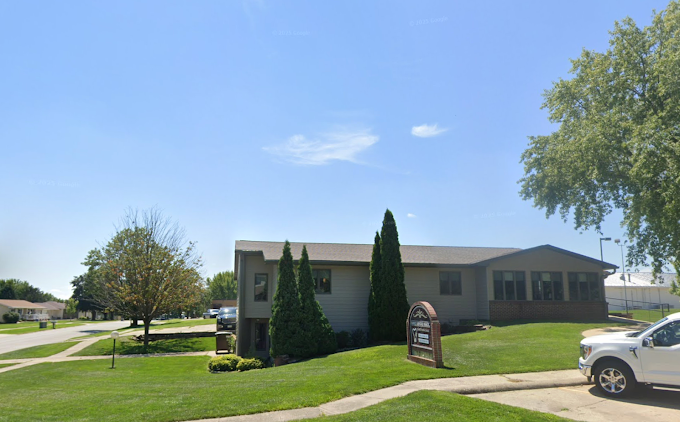
2105 Pine St
Harlan, IA 51537, US
Harlan, IA 51537, US
Hours
Mon - Tue: 8:00am - 5:00pm
Wed: 7:00am - 2:00pm
Thu: 8:00am - 5:00pm
Fri: 7:00am - 12:00pm
Sat - Sun: Closed

(712) 755-5342

.svg)