



.svg)
.svg)
Periodontal (Gum) Disease Therapy in Harlan, Iowa
If you were told your gums need more than a routine cleaning, or you have noticed bleeding, recession, or persistent bad breath, our team treats gum disease at every stage without judgment.

.svg)
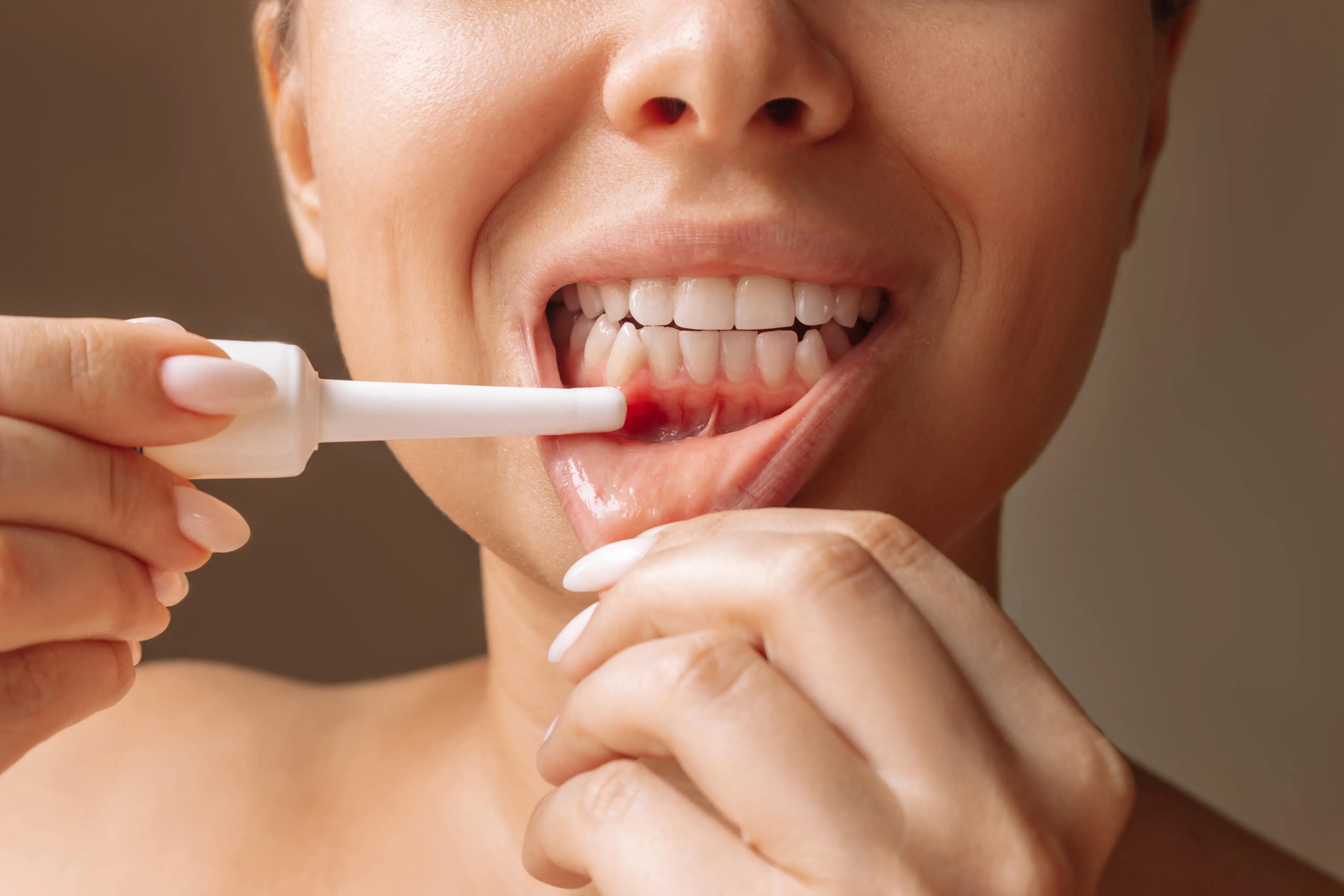
Gum Disease Is Manageable. Ignoring It Is Not.
Gum disease is the leading cause of tooth loss in adults and one of the most under-treated conditions in dentistry, largely because it is painless until it is advanced. Most patients who come to us with gum disease had no idea anything was wrong until a measurement at a routine exam revealed pocket depths that a regular cleaning cannot address. That is not a failure. That is how gum disease works.
Our team treats gum disease in Harlan from its earliest reversible stage through more advanced cases that require ongoing maintenance. The goal is always the same: stop the infection, stabilize the bone, and give you a maintenance schedule that keeps it from progressing. We see patients from across Shelby County and no referral is needed.
What Gum Disease Actually Does
Gum disease is a bacterial infection. Left without treatment, it can progress over time, and the damage it causes to supporting bone and tissue can be difficult or impossible to fully reverse.

It Destroys the Bone That Holds Your Teeth
Periodontal bacteria and inflammation can break down the bone anchoring your teeth in the jaw. Once bone is lost, it usually does not grow back on its own. Treatment is designed to control the infection, reduce inflammation, and help stop further destruction.
It Is the Leading Cause of Tooth Loss in Adults
More adults lose teeth to gum disease than to tooth decay. When bone loss becomes advanced, teeth can loosen and may become difficult or impossible to stabilize, even if the tooth structure itself is still sound. Treating gum disease earlier gives our team a better chance to protect the teeth that remain.
It Has Documented Links to Systemic Health
Periodontal disease has been associated in clinical research with increased risk of cardiovascular disease, poorly controlled diabetes, adverse pregnancy outcomes, and respiratory disease. The bacteria and inflammatory markers from gum infection enter the bloodstream. The mouth is not isolated from the rest of the body.
Gingivitis vs. Periodontitis: Understanding Where You Are
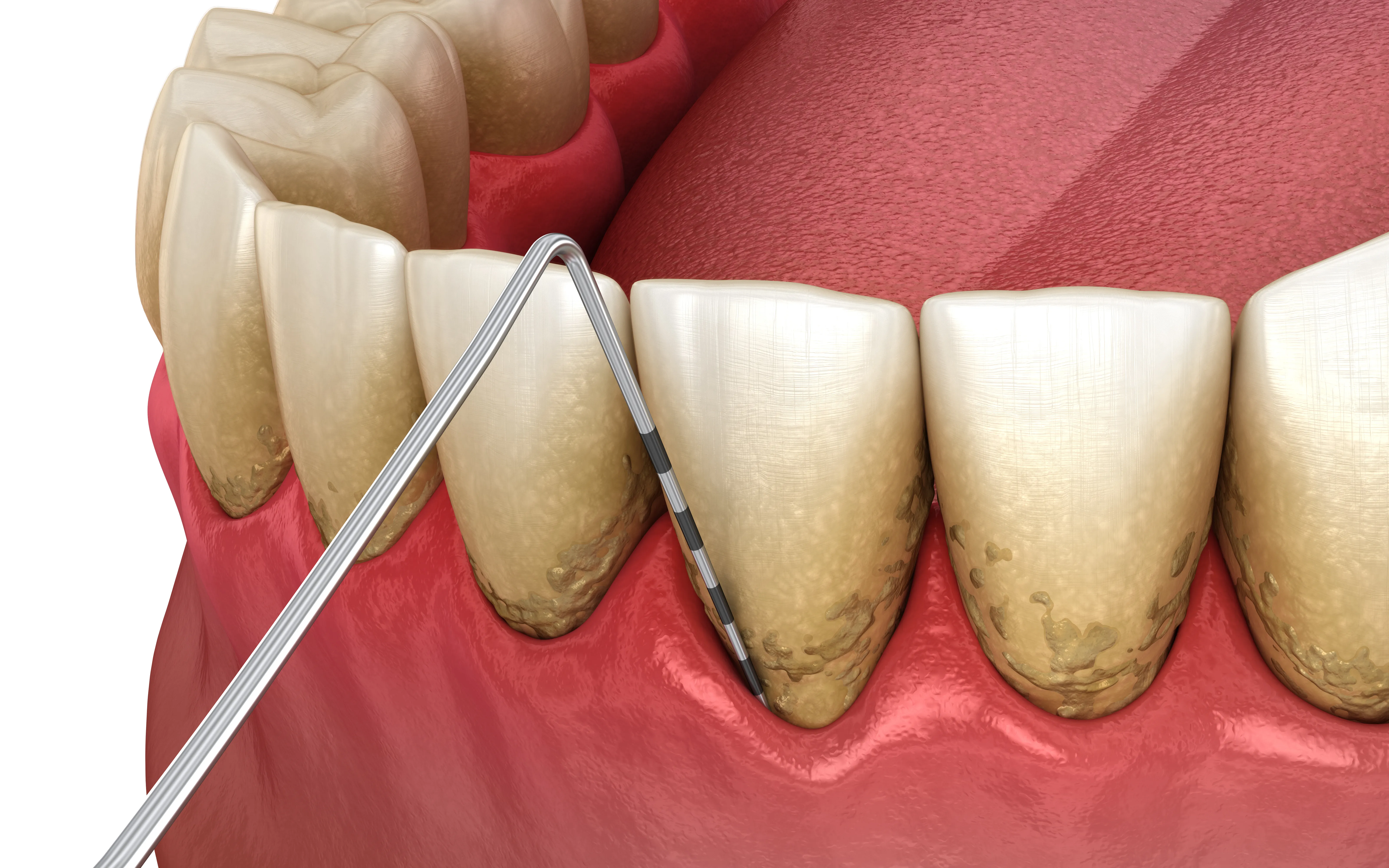
Gingivitis is gum inflammation caused by bacterial buildup along the gumline. It is usually reversible when treated early because the supporting bone has not yet been affected. A professional cleaning combined with improved home care can resolve the inflammation. Periodontitis is a more advanced stage where infection has moved below the gumline and begun damaging the supporting tissue and bone. Periodontitis is not fully reversible, but it can often be controlled. Scaling and root planing removes bacterial deposits from below the gumline, and ongoing periodontal maintenance helps reduce the risk of the disease becoming active again. The earlier treatment begins, the more original bone and tissue can usually be preserved.
What Are the Symptoms of Gum Disease?
Gum disease is usually painless in its early stages, which is exactly why it is easy to miss. The warning signs show up at the gumline first. If any of these sound familiar, it is worth a periodontal exam, the earlier the better.
.svg)
Why Do My Gums Bleed When I Brush or Floss?
Bleeding gums are the most common early sign of gum disease. Healthy gums do not bleed. A brand new flossing habit can cause a little bleeding that settles within a week or two, but bleeding that keeps coming back means bacteria along the gumline have inflamed the tissue, and it is time for an exam.
Why Are My Gums Red, Swollen, or Sore?
Red, puffy, or tender gums are reacting to bacteria building up at the gumline. Healthy gums are firm and pale pink. This stage is gingivitis, the inflammation is still reversible because the bone has not yet been affected, and a deep cleaning with better home care can usually resolve it.
Why Does My Bad Breath Keep Coming Back?
Bad breath that brushing and mouthwash do not fix often comes from bacteria living in pockets below the gumline, and a lingering bad taste points to the same source. When it keeps returning alongside any of the other signs here, it is a reason to have your gums checked.
Why Are My Gums Receding or My Teeth Looking Longer?
Receding gums expose more of the tooth and even the root, so teeth look longer than they used to. The recession and the pockets it creates are a sign the infection has moved past the surface and started affecting the support around the tooth, which is no longer the easily reversible stage.
Why Do My Teeth Feel Loose or Fit Together Differently?
A loose tooth or a bite that suddenly fits differently can mean gum disease has begun breaking down the bone that holds your teeth in place. This is a later sign and a reason to be seen soon, while there is still enough support left to stabilize the teeth.
Are Sore Gums or Pus a Sign of Gum Disease?
Yes. Aching gums, tenderness when you chew, or pus between a tooth and the gum point to active infection that needs treatment, not a wait-and-see approach. Gum disease is usually painless until it is advanced, so pain is a signal to act rather than wait.
What a Periodontal Appointment Looks Like
1
Periodontal Assessment
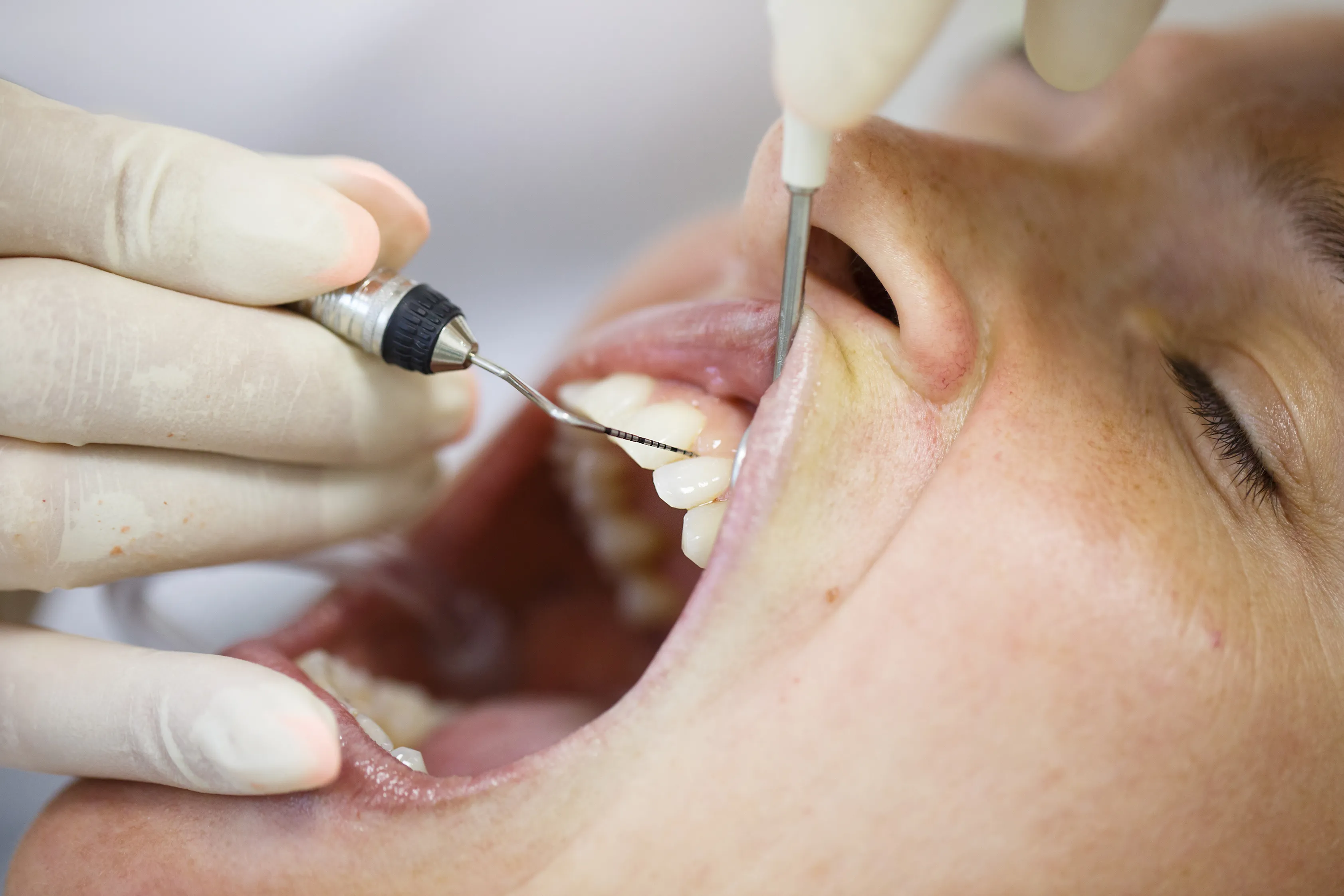
Your hygienist measures the depth of the space between your gums and teeth at several points around each tooth. Healthy pockets are often 1 to 3 millimeters. Deeper pockets, especially when combined with bleeding, inflammation, tartar buildup, or bone loss on X-rays, can indicate gum disease. These measurements help determine the severity and which treatment is appropriate.
2
X-rays
Current X-rays show bone levels around every tooth. Bone loss is what distinguishes periodontitis from gingivitis and what determines how advanced the disease is. We compare current X-rays to prior images when available to assess how quickly the disease has progressed.
3
Local Anesthetic
Scaling and root planing is performed under local anesthetic. The gum tissue and roots are numbed before treatment begins. Patients typically feel pressure, vibration, or movement rather than sharp pain. Nitrous oxide may be available for patients who experience significant anxiety during dental appointments.
4
Scaling and Root Planing
The hygienist uses hand instruments and ultrasonic tools to remove bacterial deposits from the root surfaces below the gumline. Treatment may be divided into separate appointments depending on how many areas of the mouth need care. Appointment length depends on the severity of buildup and the number of areas being treated.
5
Re-Evaluation
After scaling is complete, a follow-up appointment may be scheduled to measure the pockets again and evaluate healing. When treatment is successful, gum tissue often becomes healthier and pocket depths may improve. Areas that remain deep are evaluated for additional treatment. Many patients then move into a 3 to 4 month periodontal maintenance schedule.
Our Periodontal Treatments
Treatment depends on the stage and severity of gum disease. Our team determines which approach is appropriate based on your periodontal measurements, X-rays, and evaluation.
Scaling and Root Planing
The primary treatment for periodontitis. Scaling and root planing removes bacterial deposits from below the gumline and smooths the root surfaces so the gum tissue can heal more closely around the teeth. It is performed under local anesthetic and may be completed over more than one appointment depending on how many areas need treatment.
Periodontal Maintenance
The ongoing care program for patients who have been treated for gum disease. It is more frequent than a routine cleaning, often every 3 to 4 months, and specifically targets the areas where disease was previously active. Periodontal maintenance does not cure gum disease, but it helps manage bacterial buildup and reduce the risk of the infection becoming destructive again.
Antibiotic Therapy
Antibiotic agents placed directly into infected periodontal pockets after scaling and root planing to reduce bacterial levels in areas that are difficult to clean mechanically. Used as an adjunct to scaling, not a replacement for it. Appropriate for specific pockets that have not responded adequately to scaling alone.
Words From Our Patients
Frequently Asked Questions
BOOK APPOINTMENTDoes scaling and root planing hurt?
What is the difference between a regular cleaning and a deep cleaning?
Can gum disease be reversed?
How much does a deep cleaning cost in Iowa?
How often do I need to come in after treatment for gum disease?
Are bleeding gums a sign of gum disease?
Can gum disease cause you to lose teeth?
Prepare for Your Visit
Patient Forms
Download and complete your forms before your appointment to save time when you arrive. Plan to come in 10 to 15 minutes early so we can get you settled.
Learn More

Insurance and Financing
We work with many PPO dental insurance plans and can file claims on your behalf when insurance applies. Financing options may be available for patients who need flexible payment options. Ask our front desk what works best for your situation.
Learn More
Contact Us
Start the Conversation
Address
2105 Pine St
Harlan, IA 51537, US
Harlan, IA 51537, US
Hours
Mon - Tue: 8:00am - 5:00pm
Wed: 7:00am - 2:00pm
Thu: 8:00am - 5:00pm
Fri: 7:00am - 12:00pm
Sat - Sun: Closed

(712) 755-5342

.svg)