


.svg)
.svg)
Zygomatic Implants in Harlan, IA
An advanced implant option for patients with severe upper-jaw bone loss who still want fixed teeth.

.svg)
.webp)
A Fixed Smile When Bone Loss Has Limited Your Options
Being told you do not have enough bone for dental implants can feel like the end of the road.
It does not always have to be.
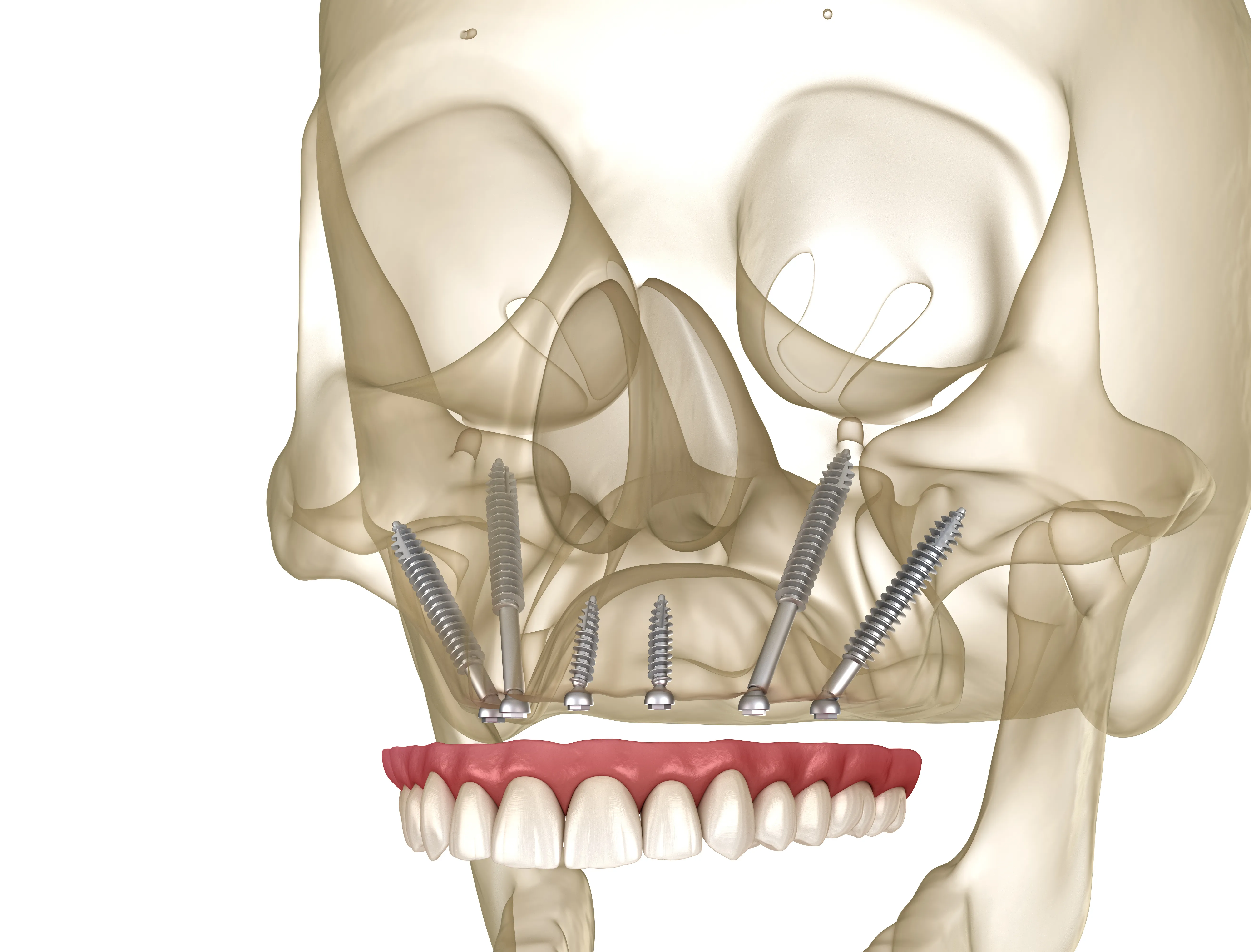
Zygomatic implants are designed for patients with significant bone loss in the upper jaw. Instead of relying only on the jawbone, these longer implants anchor into the cheekbone for added support.
At Markham Family Dental in Harlan, Dr. Burkhalter uses 3D imaging to evaluate your bone, explain your options, and help you understand whether advanced implant treatment may be possible.
It does not always have to be.
Zygomatic implants are designed for patients with significant bone loss in the upper jaw. Instead of relying only on the jawbone, these longer implants anchor into the cheekbone for added support.
At Markham Family Dental in Harlan, Dr. Burkhalter uses 3D imaging to evaluate your bone, explain your options, and help you understand whether advanced implant treatment may be possible.

What Are Zygomatic Implants?
Zygomatic implants are longer dental implants used when the upper jaw does not have enough bone to support traditional implants.
Instead of anchoring only in the jawbone, they are placed into the zygomatic bone, also called the cheekbone.
This approach may help some patients avoid extensive bone grafting and still qualify for fixed implant teeth.
Zygomatic implants are most often used for advanced upper-arch cases, especially when a patient has been told regular implants are not possible.
Instead of anchoring only in the jawbone, they are placed into the zygomatic bone, also called the cheekbone.
This approach may help some patients avoid extensive bone grafting and still qualify for fixed implant teeth.
Zygomatic implants are most often used for advanced upper-arch cases, especially when a patient has been told regular implants are not possible.
The Benefits of Zygomatic Implants

Built for Severe Bone Loss
Designed for patients who do not have enough upper-jaw bone for traditional implants.
May Avoid Major Bone Grafting
In many advanced cases, zygomatic implants can reduce the need for a long grafting process.
Permanent Fixed Teeth
They can support fixed teeth that stay in place instead of removable upper dentures.
Who Is a Good Candidate for Zygomatic Implants?
You may be a candidate if you:
Have been told you do not have enough upper-jaw bone for implants
Have severe bone loss in the upper jaw
Are missing most or all upper teeth
Wear loose upper dentures
Want fixed teeth instead of removable dentures
Want to avoid or reduce extensive bone grafting
Complete our survey, and find out if you are a candidate
The Zygomatic Implant Process
1
Consultation & 3D Imaging
Your first visit is about getting real answers. We take a CBCT scan so Dr. Burkhalter can see your upper jaw, cheekbone, sinuses, bite, and current teeth or denture.
This scan helps us understand whether traditional implants, zygomatic implants, or another option is the safest path.
This scan helps us understand whether traditional implants, zygomatic implants, or another option is the safest path.
2
Advanced Treatment Planning
Zygomatic implant cases require careful planning. Dr. Burkhalter reviews your scan, bone support, medical history, and smile goals before recommending treatment.
You will understand what we see, what your options are, and what the procedure may involve before anything begins.
You will understand what we see, what your options are, and what the procedure may involve before anything begins.
3
Implant Placement
If zygomatic implants are the right fit, the implants are placed into the cheekbone for strong upper-arch support.
Local anesthesia is used, and sedation options may be available for patients who want a calmer surgical experience.
Local anesthesia is used, and sedation options may be available for patients who want a calmer surgical experience.
4
Healing and Restoration
After placement, we monitor healing and plan the teeth that will attach to your implants.
Follow-up visits help us check comfort, bite, fit, and stability. The goal is a fixed smile that feels strong, secure, and easier to live with.
Follow-up visits help us check comfort, bite, fit, and stability. The goal is a fixed smile that feels strong, secure, and easier to live with.
Advanced Options We May Compare During Your Implant Consultation
Zygomatic implants are usually part of a larger upper-arch plan, not a stand-alone shortcut. Your 3D scan helps us decide whether you need zygomatic implants, another advanced anchorage option, sedation support, or a full-arch restoration plan.
All-on-X Dental Implants
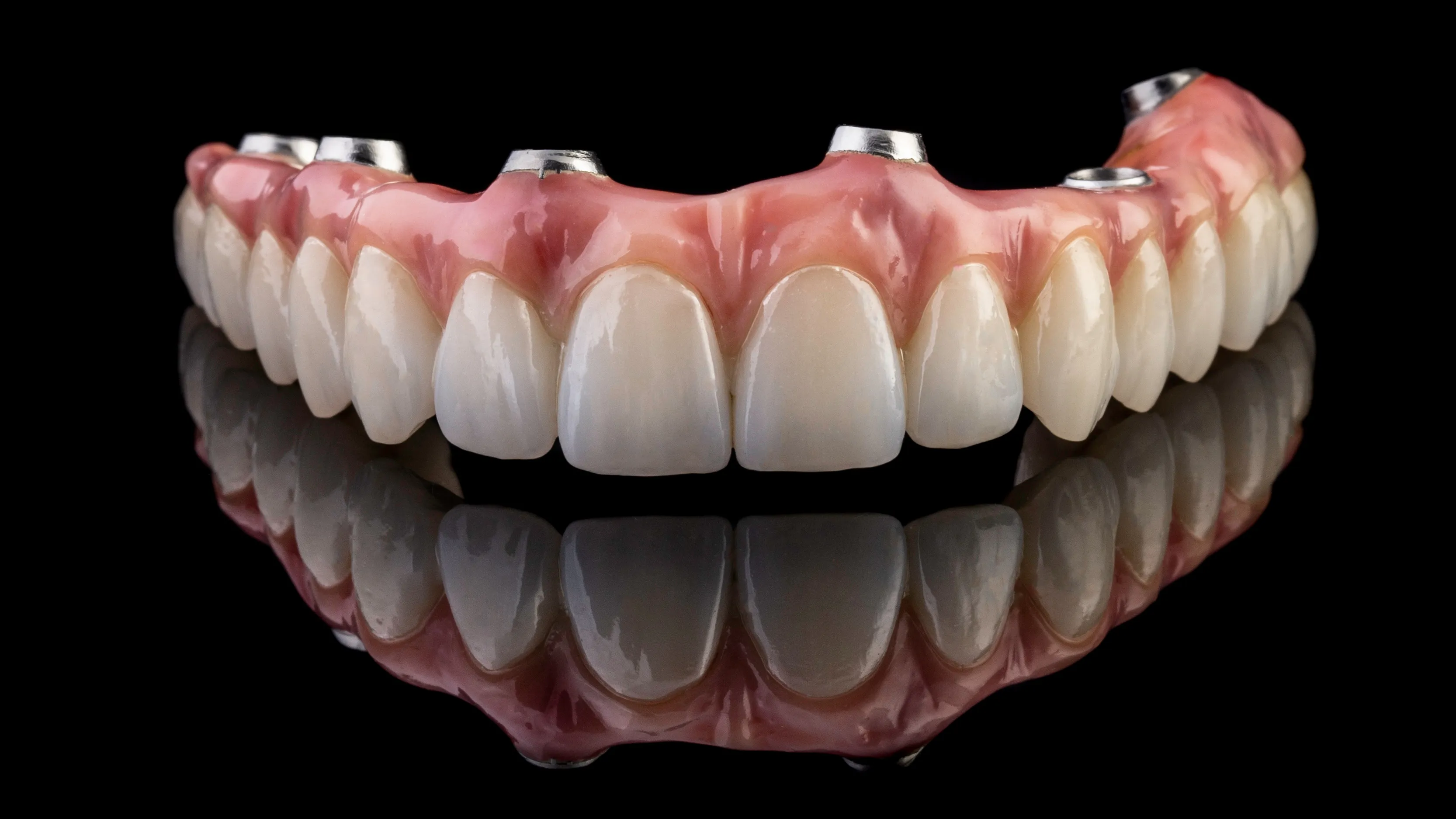
Zygomatic implants may be used as part of a fixed full-arch plan when a patient wants permanent upper teeth but has severe bone loss.
Remote Anchorage Dental Implants
Another advanced implant approach for complex upper-arch cases. It may be discussed when standard implant placement does not provide enough support.

IV Sedation
Comfort support for longer or more complex implant visits. Sedation may help patients feel calmer during advanced surgical treatment.
Book Your Zygomatic Implant Consultation
If you were told you do not have enough bone for implants, get a second look with 3D imaging.
We will review your scan, explain your options, and help you understand whether zygomatic implants, full-arch implants, or another treatment path makes sense.
We will review your scan, explain your options, and help you understand whether zygomatic implants, full-arch implants, or another treatment path makes sense.
Words From Our Patients
Prepare for Your Visit
Patient Forms
Download and complete your forms before your appointment to save time when you arrive. Plan to come in 10 to 15 minutes early so we can get you settled.
Learn More

Insurance and Financing
We work with many PPO dental insurance plans and can file claims on your behalf when insurance applies. Financing options may be available for patients who need flexible payment options. Ask our front desk what works best for your situation.
Learn More
Frequently Asked Questions
Get answers to common questions about zygomatic implants, bone loss, candidacy, sedation, cost, and treatment options.
BOOK APPOINTMENTWhat are zygomatic implants?
Who needs zygomatic implants?
Are zygomatic implants only for the upper jaw?
How are zygomatic implants different from traditional implants?
Can zygomatic implants help me avoid bone grafting?
Can zygomatic implants support All-on-X teeth?
Is zygomatic implant treatment painful?
How much do zygomatic implants cost in Harlan, IA?
Are zygomatic implants better than dentures?
How do I know if I qualify for zygomatic implants?
Contact Us
Start the Conversation
Address
2105 Pine St
Harlan, IA 51537, US
Harlan, IA 51537, US
Hours
Mon - Tue: 8:00am - 5:00pm
Wed: 7:00am - 2:00pm
Thu: 8:00am - 5:00pm
Fri: 7:00am - 12:00pm
Sat - Sun: Closed

(712) 755-5342

.svg)