



.svg)
.svg)
Dental Bonding in Harlan, IA
Repair a small chip, close a minor gap, or improve the look of a discolored or uneven tooth with conservative tooth-colored bonding. Many cases can be completed in a single visit with little to no enamel removal.

.svg)
Cosmetic Dental Bonding at Markham Family Dental Associates
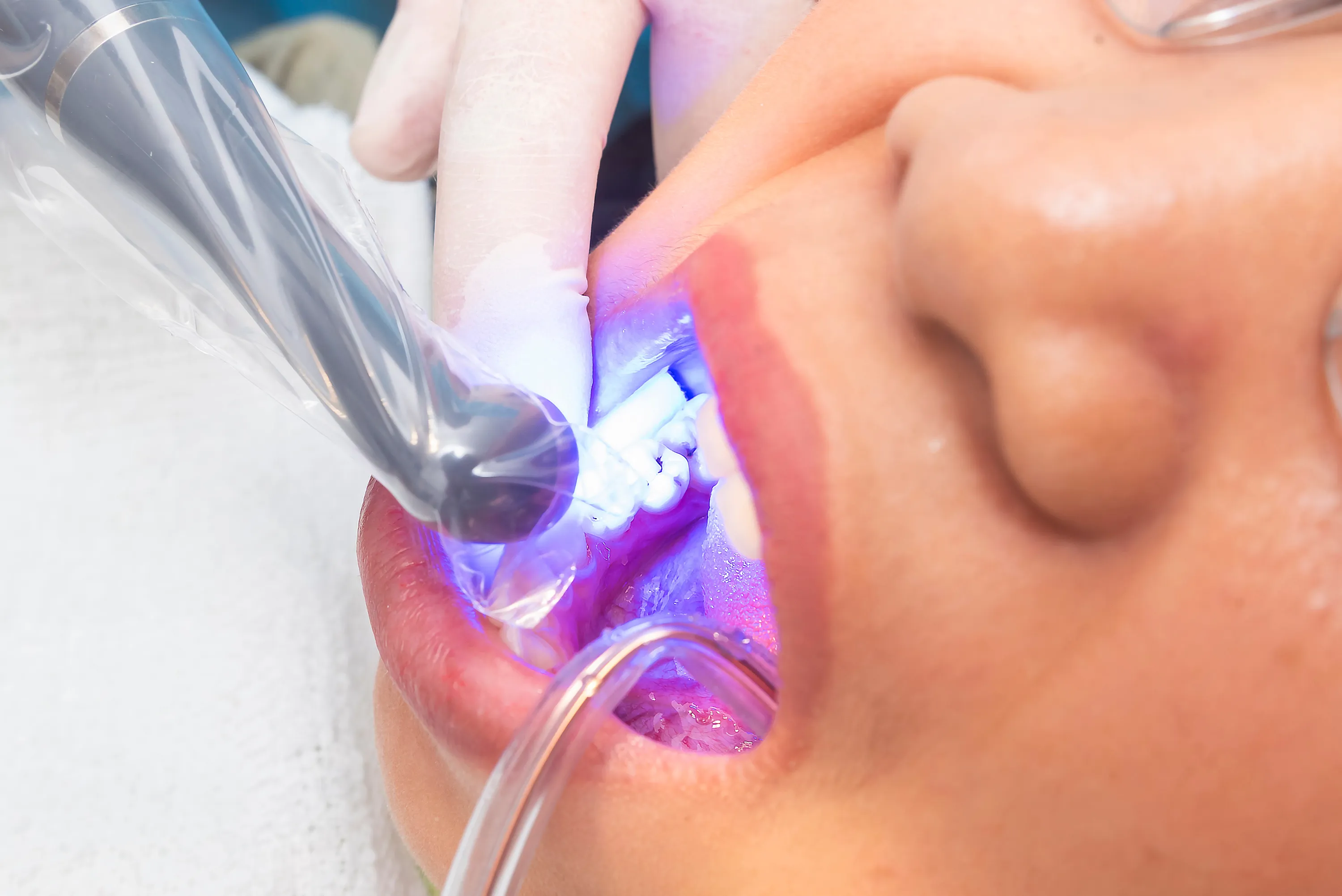
Dental bonding is one of the most versatile and conservative cosmetic dental treatments available. Dr. Roy Burkhalter applies tooth-colored composite resin directly to the tooth, shapes it by hand, and hardens it with a curing light. Many cases can be completed in a single visit with little to no removal of healthy tooth structure.

What Is Dental Bonding?
Cosmetic dental bonding, also called composite bonding or tooth bonding, is a procedure where your dentist applies tooth-colored composite resin directly to the surface of a tooth. The resin is soft and moldable at first, which allows Dr. Burkhalter to shape it by hand. A curing light then hardens the material onto the tooth, creating a restoration designed to blend with your natural smile.
Unlike porcelain veneers, dental bonding does not require removing enamel from the tooth. This makes it a reversible, conservative option which is one of the key reasons patients choose it for minor cosmetic corrections. The entire procedure typically takes 30 to 60 minutes per tooth and is completed in a single visit. In most cases, no anesthesia is needed.
.webp)
The Benefits of Cosmetic Dental Bonding

Single visit
Most bonding procedures are completed in one appointment. There are no temporaries, no lab waits, and no second visit required.
Little to no enamel removal
Unlike veneers or crowns, composite bonding usually requires little to no removal of healthy tooth structure. The treatment is conservative and may be easier to repair or replace than more permanent cosmetic options.
Natural appearance
The composite resin is color-matched to your surrounding teeth. Dr. Burkhalter shapes and polishes the material so the bonded area blends closely with your natural smile.
Affordable option
Dental bonding is one of the most cost-effective cosmetic dental procedures available. It delivers visible results at a fraction of the cost of veneers or crowns.
No downtime
You can usually return to your normal routine right after the appointment. Most patients have little to no downtime, though our team may recommend avoiding very hard, sticky, or staining foods for a short period after treatment.
Versatile treatment
One procedure addresses chips, gaps, discoloration, shape, and length -- often in a single sitting. Few cosmetic treatments offer this range of application.
What Can Dental Bonding Treat?
Dental bonding is a remarkably versatile treatment. Dr. Burkhalter uses composite bonding to address a wide range of cosmetic and minor structural concerns, including:
.svg)
Chipped or cracked teeth
Gaps between front teeth
Discolored teeth that whitening cannot correct
Misshapen or uneven teeth
Teeth that appear too short
Exposed tooth roots from gum recession
Small cavities as a tooth-colored alternative to amalgam fillings
Bonding works best for minor cosmetic concerns on otherwise healthy teeth. If your tooth has significant structural damage or you are looking for a longer-lasting solution, Dr. Burkhalter will discuss whether porcelain veneers or a dental crown would serve you better. He will give you an honest recommendation at your consultation.
The Dental Bonding Procedure
1
Consultation and Color Matching
Your appointment begins with Dr. Burkhalter examining the tooth and confirming that bonding is the right approach. If you are planning to whiten your teeth, it is usually best to do that before bonding because composite resin is color-matched to your current tooth shade and will not respond to whitening later. Using a shade guide, Dr. Burkhalter selects a resin color that closely matches your surrounding teeth.
2
Surface Preparation
The tooth surface is lightly roughened and a conditioning liquid is applied. This etching process creates a slightly textured surface that helps the composite resin bond securely to the enamel. No healthy tooth structure is removed. In most cases, no anesthesia is needed unless there is an existing cavity being treated at the same time.
3
Sculpting and Curing
The composite resin is applied directly to the tooth in a soft, putty-like state. Dr. Burkhalter shapes it by hand to match the natural contours of the tooth and improve the cosmetic concern. A curing light then hardens the resin in place. If small adjustments are needed, they can usually be made immediately after curing.
4
Finishing and Polish
Once the resin is hardened, Dr. Burkhalter trims any excess, checks your bite, and polishes the composite to match the natural sheen of your surrounding teeth. Most patients are surprised at how natural the result looks. The entire appointment typically takes 30 to 60 minutes per tooth. You can eat and go about your day normally right after you leave.
How Much Does Dental Bonding Cost in Harlan, IA?
Dental bonding is often one of the more affordable cosmetic dental treatments. The cost varies based on the number of teeth being treated, the complexity of each case, and whether any preparatory care, such as a cleaning or filling, is needed. Our team will provide a specific estimate after evaluating your tooth and treatment goals.
| Treatment | Typical Cost Per Tooth | Notes |
|---|---|---|
| Single tooth composite bonding | ||
| Multiple teeth bonding | ||
| Preparatory cleaning (if needed) | ||
| Teeth whitening before bonding (if desired) |
These are general estimate ranges only. Your exact cost will be confirmed at your consultation with Dr. Burkhalter before treatment begins.
Book Your Dental Bonding Consultation
Thinking about fixing a chipped, uneven, discolored, or gapped tooth? Schedule a consultation at Markham Family Dental and our team will examine the tooth, explain whether bonding is the right option, and walk you through the expected cost before treatment begins.
Dental Bonding vs. Porcelain Veneers
Both dental bonding and porcelain veneers can dramatically improve the appearance of your smile, but they suit different situations and budgets.
| Feature | Composite Dental Bonding | Porcelain Veneers |
|---|---|---|
| Number of visits | ||
| Enamel removal required | ||
| Reversible | ||
| Longevity | ||
| Stain resistance | ||
| Best for | ||
| Cost per tooth |
For patients with minor chips, small gaps, or isolated discoloration, dental bonding may offer a conservative result at a lower cost and with less commitment. For patients who want a more comprehensive smile redesign or a longer-lasting cosmetic option, veneers may be worth considering. Dr. Burkhalter will recommend the option that best fits your teeth, goals, and budget.
Words From Our Patients
How to Care for Cosmetic Dental Bonding
KEEP IT CLEAN
Brush twice a day with a soft-bristle toothbrush and non-abrasive toothpaste. Abrasive formulas, including activated charcoal whitening toothpastes, can scratch the composite surface. Use an alcohol-free mouthwash, as alcohol-based rinses may affect the resin over time.
WATCH WHAT YOU BITE
Avoid biting directly into hard foods like crusty bread, hard candy, or ice. Do not use your teeth to open packaging, bite your nails, or chew on pens. Composite resin is durable, but it is not indestructible, and habits like these can increase the risk of early chipping.
LIMIT STAINING HABITS
Coffee, tea, red wine, and tobacco are the biggest culprits for composite staining. The resin is more porous than natural enamel, so staining can accumulate faster. Rinsing with water after dark beverages helps significantly. Avoiding tobacco altogether is the best protection.
DO NOT WHITEN AFTER BONDING
Whitening products work on natural enamel but not on composite resin. If you whiten after bonding, your natural teeth will lighten but your bonded tooth will stay the same shade, creating a visible mismatch. If teeth whitening is something you want, do it before your bonding procedure. Dr. Burkhalter will advise you on this at your consultation.
WEAR A NIGHT GUARD IF YOU GRIND
If you grind or clench your teeth during sleep, the composite can wear down faster than expected. A custom night guard from our office protects the bonding and prevents premature wear on your natural teeth as well.
KEEP YOUR REGULAR APPOINTMENTS
Regular check-ups and professional cleanings allow Dr. Burkhalter to monitor the condition of your bonded teeth and polish the composite as needed. Most bonding requires little maintenance beyond this, but catching early signs of wear or chipping means a simple repair rather than a full replacement.

Frequently Asked Questions
Get clear answers to the questions patients ask most about composite dental bonding.
BOOK APPOINTMENTWhat is dental bonding?
How long does dental bonding last?
How much does dental bonding cost?
Is dental bonding covered by insurance?
Does bonding ruin your teeth?
Can you whiten bonded teeth?
Does dental bonding look natural?
Does drinking coffee stain dental bonding?
Can you eat normally with composite bonding?
Will people be able to tell I have bonded teeth?
Prepare for Your Visit
Patient Forms
Download and complete your forms before your appointment to save time when you arrive. Plan to come in 10 to 15 minutes early so we can get you settled.
Learn More

Insurance and Financing
We work with many PPO dental insurance plans and can file claims on your behalf when insurance applies. Financing options may be available for patients who need flexible payment options. Ask our front desk what works best for your situation.
Learn More
Contact Us
Start the Conversation
Address
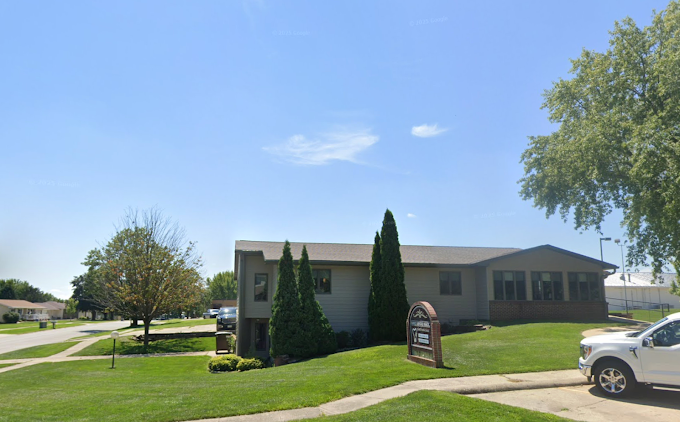
2105 Pine St
Harlan, IA 51537, US
Harlan, IA 51537, US
Hours
Mon - Tue: 8:00am - 5:00pm
Wed: 7:00am - 2:00pm
Thu: 8:00am - 5:00pm
Fri: 7:00am - 12:00pm
Sat - Sun: Closed

(712) 755-5342

.svg)