


.svg)
.svg)
Contents
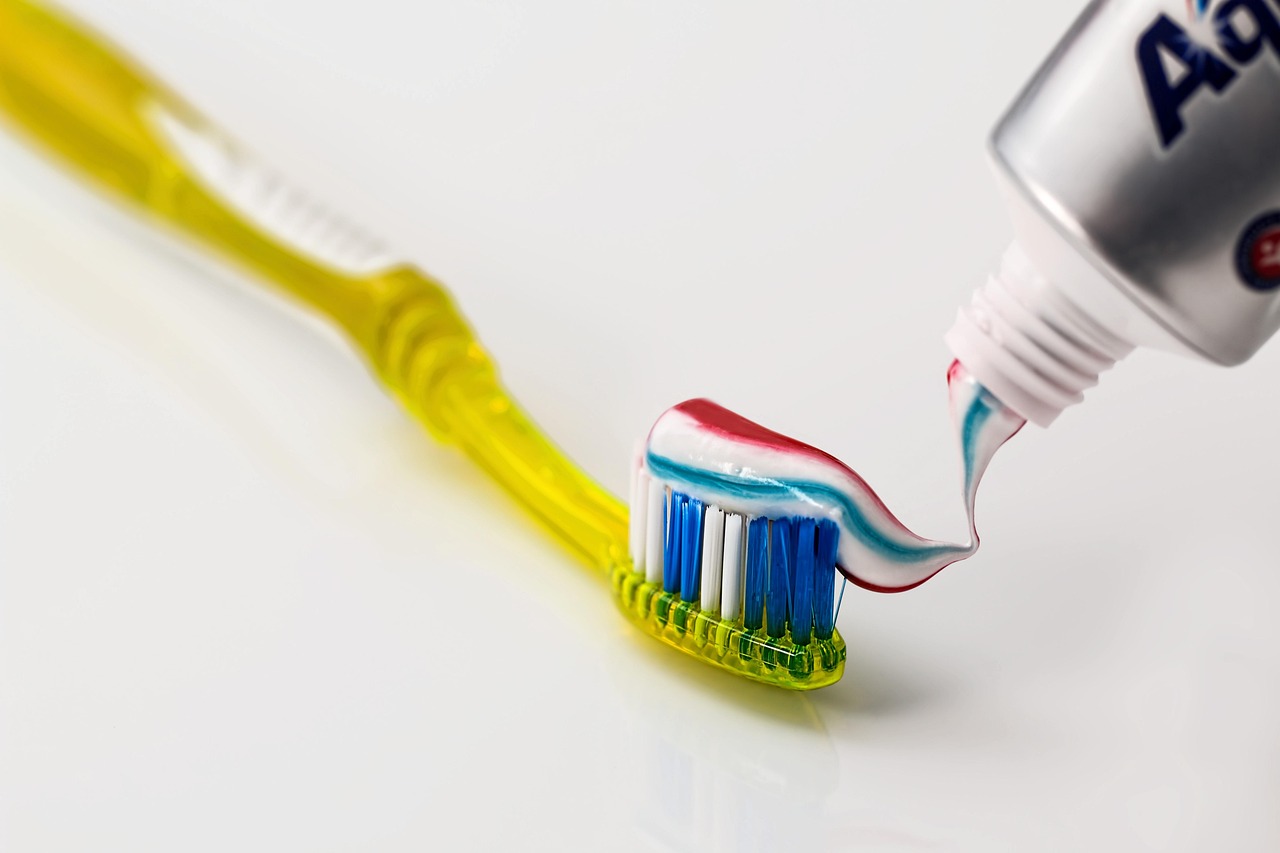
Five easy-to-keep dental resolutions for the New Year work better when they are specific, small, and attached to routines you already have. “Take better care of my teeth” is vague. “Floss the lower teeth before my evening brush” is something you can actually do tonight.
The goal is not a perfect January. It is a routine that still exists in March.
Resolution 1: Make the Evening Brush Non-Negotiable
Morning brushing is easy to remember because it is part of getting ready. The nighttime brush is often the one lost to fatigue, late meals, travel, or falling asleep on the couch.
Attach brushing to an existing cue: after plugging in your phone, after washing your face, or before turning off the kitchen lights.
Use fluoride toothpaste and brush for about two minutes, reaching the gumline and back teeth with gentle pressure.
Why the Evening Brush Matters
Plaque accumulates during the day, and food or drink residues can remain on teeth into the night. Saliva flow also decreases during sleep, reducing some of the mouth’s natural buffering and cleansing action.
A thorough evening clean gives the mouth a better starting point for those overnight hours.
Resolution 2: Clean Between Teeth Once a Day
Do not promise yourself an elaborate ten-minute flossing ritual if you currently do nothing. Start with one daily interdental cleaning session using the tool you can realistically handle.
String floss works well for many tight contacts. Interdental brushes, floss holders, water flossers, or specialty tools may be better for other mouths.
Our flossing guide explains the options and common myths.
Make the Habit Smaller When Motivation Is Low
If cleaning every contact feels overwhelming at first, begin with a fixed section of the mouth and build from there. The long-term target is daily interdental cleaning, but reducing the activation barrier can help create the routine.
Resolution 3: Make Water the Default Between Meals
You do not need to ban coffee, tea, juice, sports drinks, or dessert to improve dental health. A more sustainable change is to stop turning flavored beverages into all-day sipping habits.
Consume sweet or acidic drinks at defined times when possible, and use plain water as the routine drink between meals.
This reduces the number of repeated sugar and acid exposures teeth experience through the day.
Resolution 4: Put Your Next Dental Visit on the Calendar Now
A preventive appointment is easier to keep when it already exists. Do not rely on remembering six months from now.
If you are overdue, schedule a dental exam so the year begins with a current baseline rather than waiting until something hurts.
The appropriate visit frequency depends on your cavity risk, gum health, restorations, medical history, and previous findings.
Resolution 5: Replace One Risky Habit With a Protective One
Choose one change that fits your actual risk profile rather than copying a generic checklist. Examples include:
- Stop chewing ice if teeth or restorations are cracking.
- Use a sports mouthguard consistently.
- Wear your retainer as prescribed.
- Switch from a hard brush to a soft brush.
- Use a fluoride toothpaste if you have been using a non-fluoridated alternative without a clinical reason.
- Address persistent dry mouth.
- Stop using tobacco or nicotine products.
- Replace bedtime juice or soda with water.
Why Five Resolutions Are Better Than Twenty
Large behavior-change lists fail because they require too many decisions every day. A small number of high-impact habits is easier to automate.
Once those habits feel normal, you can add another.
Use “Habit Stacking”
Connect the new dental behavior to something that already happens:
- Floss after taking out contact lenses.
- Brush after plugging in your phone at night.
- Refill a water bottle when making morning coffee.
- Put the next dental appointment into the calendar before leaving the office.
The cue is more important than motivation because it reduces the need to remember.
Keep Supplies Where the Habit Happens
Floss hidden in a drawer is easier to forget than a tool visible beside the toothbrush. A travel brush that lives in your toiletry bag removes one excuse on trips.
Make the desired behavior convenient.
Do Not “Make Up” for Missed Days With Aggressive Cleaning
If you miss flossing for a week, snapping floss hard into the gums does not compensate. If you skip a brushing, scrubbing harder the next morning is not better.
Return to gentle, consistent technique instead of using punishment as a strategy.
Track the Habit, Not Cosmetic Results
It can take time for gums to become less inflamed, for dry-mouth strategies to reduce cavity risk, or for a new routine to feel automatic.
Track whether you performed the behavior—not whether your smile looked dramatically different after seven days.
What if Your Gums Bleed When You Start Flossing?
Plaque-related inflammation can make gums bleed during cleaning. Continue gently rather than abandoning the area, and arrange an evaluation if bleeding persists, is heavy, spontaneous, or accompanied by swelling, recession, or other symptoms.
What if You Have Not Been to the Dentist in Years?
Do not wait until your home routine feels perfect before scheduling care. Professional examination can identify problems that brushing and flossing cannot diagnose.
Markham’s general dentistry services include preventive care for patients returning after long gaps as well as those who attend regularly.
Build a Resolution Around Your Biggest Risk
If cavities are your problem, focus on fluoride, frequency of sugar exposure, and cleaning. If gum inflammation is the issue, make interdental cleaning and maintenance visits the priority. If you grind, protect the teeth and evaluate symptoms. If orthodontic relapse is happening, address the retainer.
A personalized resolution is more useful than a fashionable one.
The Five Resolutions in One Minute
- Do not skip the evening brush.
- Clean between teeth daily.
- Drink water between meals.
- Schedule the next preventive visit now.
- Replace one high-risk habit with a protective one.
Make This the Year Your Dental Routine Gets Boring
The best preventive habits are not dramatic. They are repetitive enough that you stop debating whether to do them.
A boring routine—brush, clean between teeth, drink water, keep appointments, and manage your biggest risk—protects teeth far more reliably than a short burst of New Year enthusiasm.
People Ask
 Dr. Roy Burkhalter, DDS


.svg)