



.svg)
.svg)
Contents
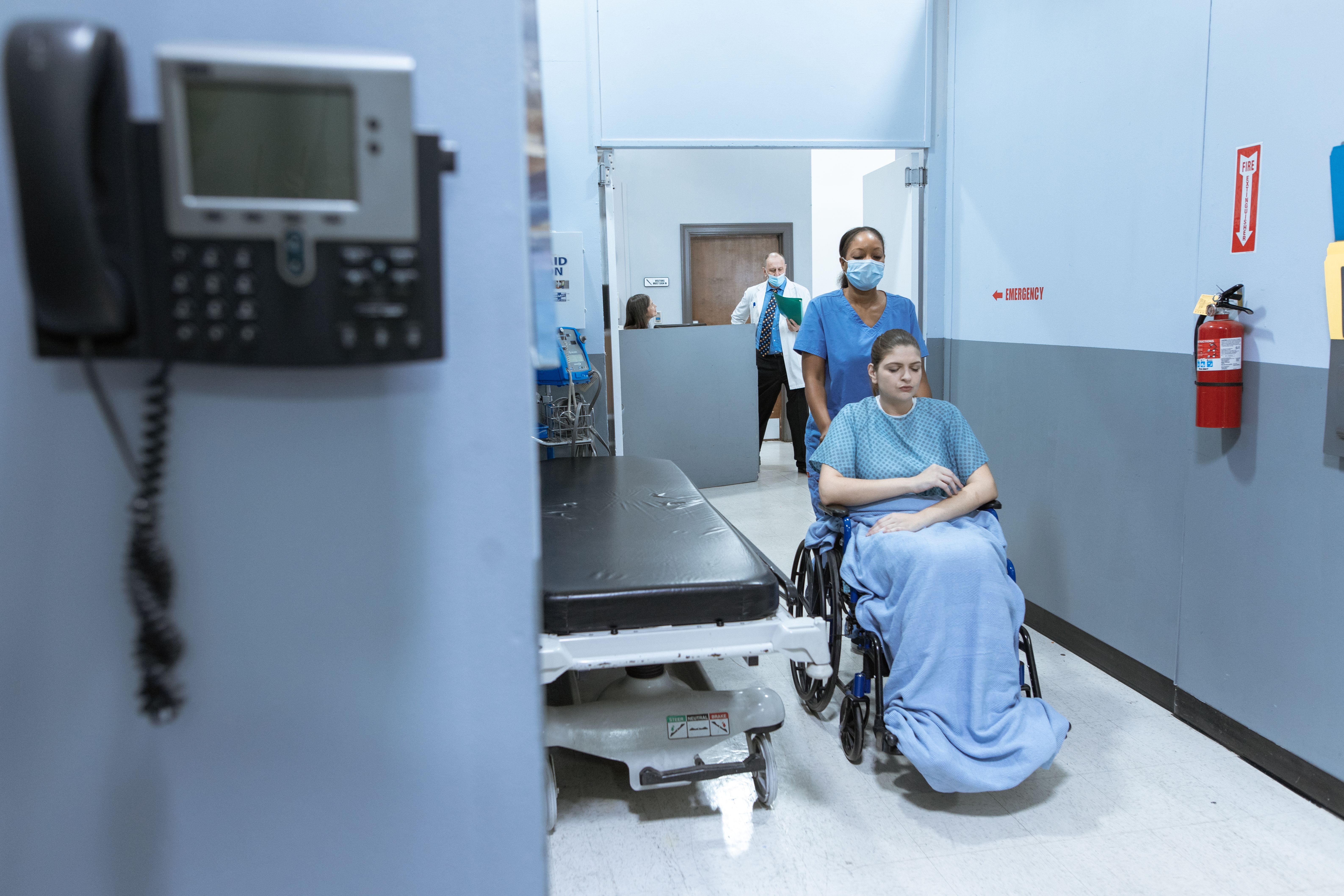
Why visiting the emergency room for a dental problem isn’t always a good idea is simple: most emergency departments are designed to stabilize medical emergencies, not perform dental procedures. They can help when an infection threatens the airway, trauma involves the head or jaw, or a patient is medically unstable, but they usually cannot repair a broken tooth, perform a root canal, replace a filling, or definitively treat the source of ordinary tooth pain.
The goal is not to discourage appropriate ER care. It is to help you choose the right setting. For urgent dental treatment in Harlan, our emergency dentistry page explains what our office can treat.
What an Emergency Room Can Do for Dental Problems
An ER can evaluate severe infection, control dangerous bleeding, manage significant facial trauma, provide pain relief, order medical imaging, administer IV medication, and protect the airway.
Those capabilities matter when a dental condition has become a medical emergency.
What an ER Usually Cannot Do
Most emergency departments do not provide definitive dental procedures such as fillings, crown repair, root canal treatment, routine tooth extraction, or reimplantation follow-up. A patient may leave feeling temporarily better but still need a dentist to treat the actual source.
Tooth Pain Usually Belongs With a Dentist
Severe tooth pain often comes from decay, a cracked tooth, inflamed pulp, or infection. A dentist can take dental X-rays, isolate the exact tooth, and provide definitive treatment.
The ER may be able to reduce pain temporarily, but medication alone does not remove decay or infected tooth tissue.
Antibiotics Are Not a Permanent Fix
Antibiotics can be important when infection is spreading or systemic symptoms are present, but they do not eliminate the source inside an infected tooth. Without root canal treatment, extraction, or another definitive procedure, symptoms often return.
Using antibiotics repeatedly without treating the source can also contribute to unnecessary antibiotic exposure and resistance.
When the Emergency Room Is Absolutely Appropriate
- Difficulty breathing or swallowing.
- Swelling spreading into the neck or throat.
- Uncontrolled bleeding.
- Severe facial or jaw trauma.
- Loss of consciousness or serious head-injury symptoms.
- High fever with rapidly worsening facial swelling or severe illness.
In these situations, medical stabilization comes first. Dental follow-up can happen after the immediate threat is controlled.
What About a Knocked-Out Tooth?
A knocked-out permanent tooth is usually best handled by a dentist as quickly as possible when there is no major head or facial trauma. The tooth may sometimes be reimplanted if managed promptly.
If the injury also involves loss of consciousness, suspected jaw fracture, uncontrolled bleeding, or other major trauma, emergency medical care may take priority.
Broken Tooth or Lost Crown
These problems generally belong in a dental office. A dentist can determine whether the tooth needs bonding, a filling, a crown, root canal treatment, or another repair.
An ER typically cannot restore the tooth.
Localized Dental Swelling
Swelling confined to the gum or cheek near one tooth should be assessed promptly by a dentist. The tooth may need root canal treatment, extraction, drainage, or other care.
If swelling is moving into the neck or throat or affects breathing or swallowing, go to the ER.
Why Dental X-Rays Matter
Dental offices use imaging designed to show tooth roots, bone around teeth, decay, and localized infection. Hospital imaging is excellent for medical emergencies but may not replace the focused dental imaging needed to plan definitive tooth treatment.
Cost and Time Can Be Different Too
An emergency department visit may involve a much higher medical bill while still ending with instructions to see a dentist. When the problem is clearly dental and there are no medical red flags, going directly to a dental office can often be more efficient.
Do not let cost concerns delay emergency medical care when breathing, swallowing, major trauma, or systemic illness is involved.
What to Do After an ER Visit for Dental Pain
Follow up with a dentist even if the pain improves. If the emergency department prescribed antibiotics or pain medication, use them exactly as directed, but understand that medication may only be temporary stabilization.
Bring any discharge paperwork and medication list to the dental appointment.
How to Decide Quickly
Choose the dentist for toothache, broken teeth, lost fillings or crowns, localized abscesses, dental trauma without major head injury, and most knocked-out teeth.
Choose the ER for airway problems, spreading neck or throat swelling, uncontrolled bleeding, serious facial or jaw trauma, severe systemic illness, or significant head injury.
Keep a Dental First-Aid Plan Ready
Our Dental Emergency First Aid guide covers what to do immediately for knocked-out teeth, fractures, swelling, soft-tissue injuries, and lost restorations.
The Right Care Setting Saves Time
Emergency departments are essential when a dental condition threatens overall health. For most tooth-specific problems, however, a dentist is the clinician who can actually diagnose and fix the source. Knowing the difference can save time, reduce repeated visits, and get you to definitive treatment sooner.
People Ask
 Dr. Roy Burkhalter, DDS


.svg)