


.svg)
.svg)
Contents

How to handle an unexpected dental emergency comes down to three priorities: protect the airway and overall health first, preserve the tooth or restoration when possible, and get the right type of care quickly. Tooth pain and dental trauma are stressful, but a clear first-aid plan can keep a bad situation from becoming worse.
This guide covers what to do in the first minutes and hours. For urgent care at Markham Family Dental, see our emergency dentistry page.
First Decide: Dentist or Emergency Room?
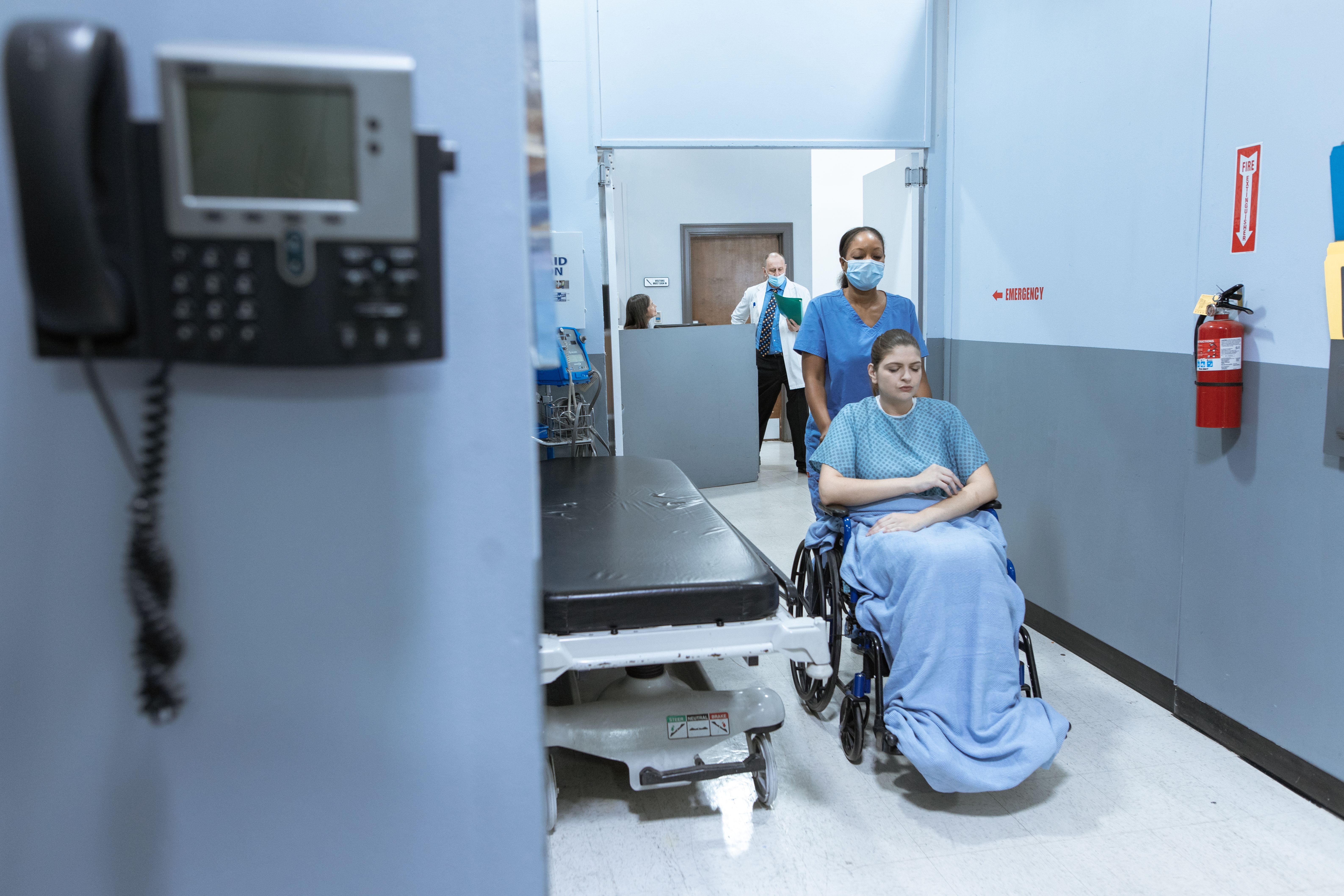
Most toothaches, broken teeth, lost fillings, and localized dental infections belong with a dentist. Go to the ER when a dental problem becomes a medical emergency, such as difficulty breathing or swallowing, spreading swelling into the neck or throat, uncontrolled bleeding, major facial trauma, or serious head-injury symptoms.
Our article ER vs. Emergency Dentist explains this decision in more detail.
Knocked-Out Permanent Tooth
Pick the tooth up by the crown, not the root. If it is dirty, rinse it gently with water without scrubbing. If the person is conscious and cooperative and it can be done safely, the tooth may be placed back into the socket.
If reinsertion is not possible, keep the tooth moist in milk or a tooth-preservation solution. Do not let it dry out. Seek dental care immediately because reimplantation is most time-sensitive in the first hour.
Knocked-Out Baby Tooth
Do not put a primary tooth back into the socket because doing so could damage the developing permanent tooth. Control bleeding with gentle pressure and call a dentist.
Broken or Chipped Tooth
Rinse the mouth gently, save any fragments, and use a cold compress on the outside of the face for swelling. Avoid chewing on the injured side.
A small chip may be manageable until a prompt appointment, but a deeper fracture can expose sensitive dentin or the pulp and should be evaluated quickly.
Severe Toothache
Tooth pain can come from decay, a crack, pulp inflammation, an abscess, or another condition that requires dental diagnosis. Rinse gently, keep the area clean, and follow labeled directions for an over-the-counter pain reliever if it is safe for you.
Do not put aspirin directly on the gum or tooth. It can burn oral tissue.
Dental Abscess or Facial Swelling
Swelling near a tooth is a sign that infection may be spreading beyond the tooth. Call a dentist promptly. Antibiotics may be needed in selected cases, but they do not remove the infected tooth tissue that caused the problem.
If swelling spreads toward the neck or throat, breathing or swallowing becomes difficult, or you feel severely ill, seek emergency medical care.
Lost Filling
A lost filling can expose sensitive tooth structure and increase the risk of fracture. Keep the area clean and avoid chewing hard foods on that side.
It is usually urgent rather than a same-minute emergency, but it should be repaired promptly.
Lost Crown
Keep the crown and bring it to the appointment. Do not use household glue. The underlying tooth may be sensitive or vulnerable to fracture, so avoid chewing on it.
A dentist will determine whether the crown can be recemented or whether the tooth or restoration needs additional work.
Cut Lip, Cheek, or Tongue
Apply firm, gentle pressure with clean gauze. A cold compress can reduce swelling. Deep cuts, wounds that pass through the lip, or bleeding that does not stop may need urgent medical care.
Object Stuck Between Teeth
Try gentle flossing. Do not use knives, pins, or other sharp objects because they can damage the gums or enamel.
If the object cannot be removed or pain and swelling develop, call a dentist.
Broken Braces Wire
If a wire is poking the cheek, cover it with orthodontic wax. Do not cut it unless your orthodontic team specifically instructs you to do so.
If a bracket becomes loose, avoid hard foods and contact the dental or orthodontic office for guidance.
Jaw Injury
An altered bite, inability to open or close normally, numbness, obvious asymmetry, or severe pain after a facial impact can indicate a jaw fracture or serious joint injury. Major trauma belongs in emergency medical care.
What to Keep in a Home Dental Emergency Kit
- Clean gauze.
- Small cold pack.
- Dental floss.
- Orthodontic wax if needed.
- Small clean container.
- Tooth-preservation solution if available.
- Your dentist’s phone number.
What Not to Do
- Do not place aspirin directly on oral tissues.
- Do not scrub the root of a knocked-out tooth.
- Do not let an avulsed permanent tooth dry out.
- Do not reinsert a baby tooth.
- Do not use household glue on a crown.
- Do not delay care for spreading swelling or breathing difficulty.
Preparation Makes Emergencies Easier
You cannot predict a cracked tooth or playground fall, but you can know the first steps. Save your dentist’s number, know when the ER is appropriate, and act quickly when a permanent tooth is knocked out or swelling is spreading.
For athletes and families, our Summer Sports Dental Safety Checklist covers injury prevention before an emergency ever happens.
People Ask
 Dr. Roy Burkhalter, DDS


.svg)