



.svg)
.svg)
Contents
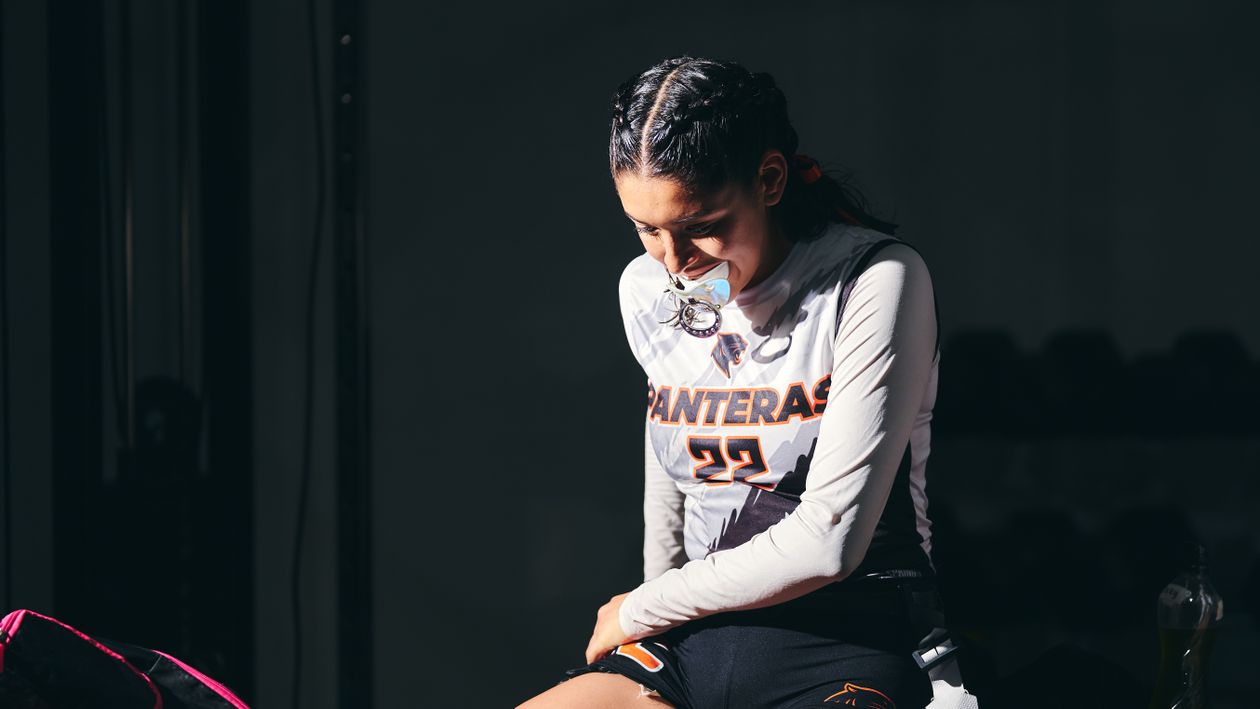
Getting ready for summer sports should include more than cleats, sunscreen, and a water bottle. Baseballs, softballs, elbows, bikes, skateboards, pool decks, and simple falls can all injure teeth, lips, jaws, and orthodontic appliances. A little preparation before the season can reduce the chance that a dental injury turns into a lost tooth or an expensive emergency.
This article is a preseason dental-safety checklist, not another mouthguard comparison guide. For details about stock, boil-and-bite, custom, and orthodontic guards, read our Mouthguard Q&A.
1. Make Sure the Mouthguard Still Fits
Children and teenagers grow quickly, teeth erupt, orthodontic treatment moves teeth, and a guard that fit last summer may be loose or distorted now. An adult athlete may also need a replacement if the material has thinned, cracked, hardened, or changed after dental treatment.
A sports mouthguard should stay in place without constant clenching and should allow normal breathing and communication. If an athlete keeps taking it out because it feels bulky, the practical level of protection is zero.
2. Do Not Wait Until the First Game to Try It
Wear the mouthguard during conditioning and practice before competition starts. That gives the athlete time to get used to speaking, breathing, drinking water, and communicating while wearing it.
Early practice also reveals fit problems while there is still time to replace or adjust the guard instead of discovering them five minutes before a game.
3. Schedule an Exam Before a Busy Season if Care Is Overdue
A preseason dental exam is especially useful when an athlete has a history of trauma, braces, loose or heavily restored front teeth, recent dental work, or has not been seen in a while.
The goal is not to “clear” every athlete medically. It is to identify problems that could become more difficult if the tooth takes an impact, such as a cracked restoration, active decay, or a loose crown.
4. Know Which Sports Have More Dental Exposure Than They Seem To
Football, hockey, lacrosse, boxing, and martial arts are obvious mouthguard sports. Summer injuries also happen in basketball, baseball, softball, soccer, volleyball, gymnastics, cycling, skateboarding, wakeboarding, and other activities where a fall or fast-moving object can strike the face.
If the sport involves collision, speed, height, sticks, balls, wheels, or unpredictable falls, dental protection deserves a place in the equipment discussion.
5. Braces Need Extra Room
A mouthguard worn over braces should protect both the teeth and the lips from brackets and wires. It also needs enough room for the teeth to move during orthodontic treatment.
Do not force a tightly molded guard over brackets. The athlete may need an orthodontic-style design and more frequent replacement as treatment changes.
6. Water Is the Best Default Sideline Drink
Sports drinks can be useful in selected endurance situations, but they are often acidic and may contain significant sugar. Frequent sipping exposes teeth repeatedly, and a mouthguard can hold liquid around the teeth.
For routine practices and games, water is usually the better default. If a sports drink is used, avoid nursing it for hours, rinse with water afterward, and clean the guard before storing it.
7. Put a Dental Emergency Plan in the Equipment Bag
Coaches and parents should know what to do if a tooth is knocked out, displaced, fractured, or badly cut. Keep the dentist’s phone number available and know where the nearest urgent dental care is when traveling.
For a knocked-out permanent tooth, time matters. Handle it by the crown rather than the root, rinse gently if dirty, and keep it moist. If it cannot be reinserted safely, milk or a tooth-preservation solution is preferable to letting it dry out.
Our emergency dentistry page explains which dental injuries should be seen quickly and when a medical emergency department is the better destination.
8. Do Not Put a Knocked-Out Baby Tooth Back In
A primary tooth that is completely knocked out should not be reinserted because doing so could damage the developing permanent tooth underneath. Control bleeding with gentle pressure and call a dentist for guidance.
Permanent teeth are different and may sometimes be successfully reimplanted when handled promptly.
9. Save Broken Tooth Fragments
If part of a tooth breaks off, look for the fragment and bring it to the dental appointment. Rinse the mouth gently with water and use a cold compress on the outside of the face if swelling begins.
Even if the tooth is not painful, the depth of the fracture matters. A small enamel chip may need only smoothing or bonding, while a deeper fracture can expose dentin or the pulp.
10. Check the Helmet and Face Protection Too
A mouthguard protects the teeth and soft tissues, but it does not replace sport-specific helmets, cages, shields, or face masks. Protective equipment works as a system.
A poorly fitted helmet or missing face protection can leave the jaw, nose, eyes, and facial bones vulnerable even when the teeth are covered.
11. Lip and Cheek Injuries Still Need Attention
Many sports injuries involve cuts to the lips, cheeks, or tongue rather than the teeth themselves. Apply gentle pressure with clean gauze to control bleeding. Deep wounds, uncontrolled bleeding, or cuts that pass through the lip may require urgent medical or surgical evaluation.
Check the teeth after a facial injury even when the main injury seems to be soft tissue. A tooth can be loosened or displaced without breaking.
12. Watch for Head-Injury Symptoms
A mouthguard does not make an athlete immune to concussion. After a significant blow, headache, confusion, dizziness, vomiting, memory problems, balance changes, loss of consciousness, or unusual behavior requires prompt evaluation under the sport’s concussion protocol.
Dental treatment is secondary when there is a serious head or neck injury.
13. Clean the Guard After Every Practice
Rinse the appliance with cool or lukewarm water, gently clean it, let it dry, and store it in a ventilated case. Do not leave it in a hot vehicle or direct sun, where thermoplastic material can distort.
Never share a mouthguard. Replace it if it develops cracks, rough edges, persistent odor, or a loose fit.
A Simple Summer Sports Dental Kit
- Properly fitted mouthguard.
- Ventilated mouthguard case.
- Water bottle.
- Clean gauze.
- Small cold pack.
- Dental office phone number.
- Small container or tooth-preservation solution for a knocked-out permanent tooth.
Prevention Is Easier Than Rebuilding a Front Tooth
Most summer sports happen without a dental injury. The point of preparation is to make the rare bad moment easier to handle: a guard that fits, a parent or coach who knows what to do, and a dental office number that is already saved.
Protective equipment cannot prevent every accident, but it can reduce the chance that a normal season ends with a fractured or missing tooth.
People Ask
 Dr. Roy Burkhalter, DDS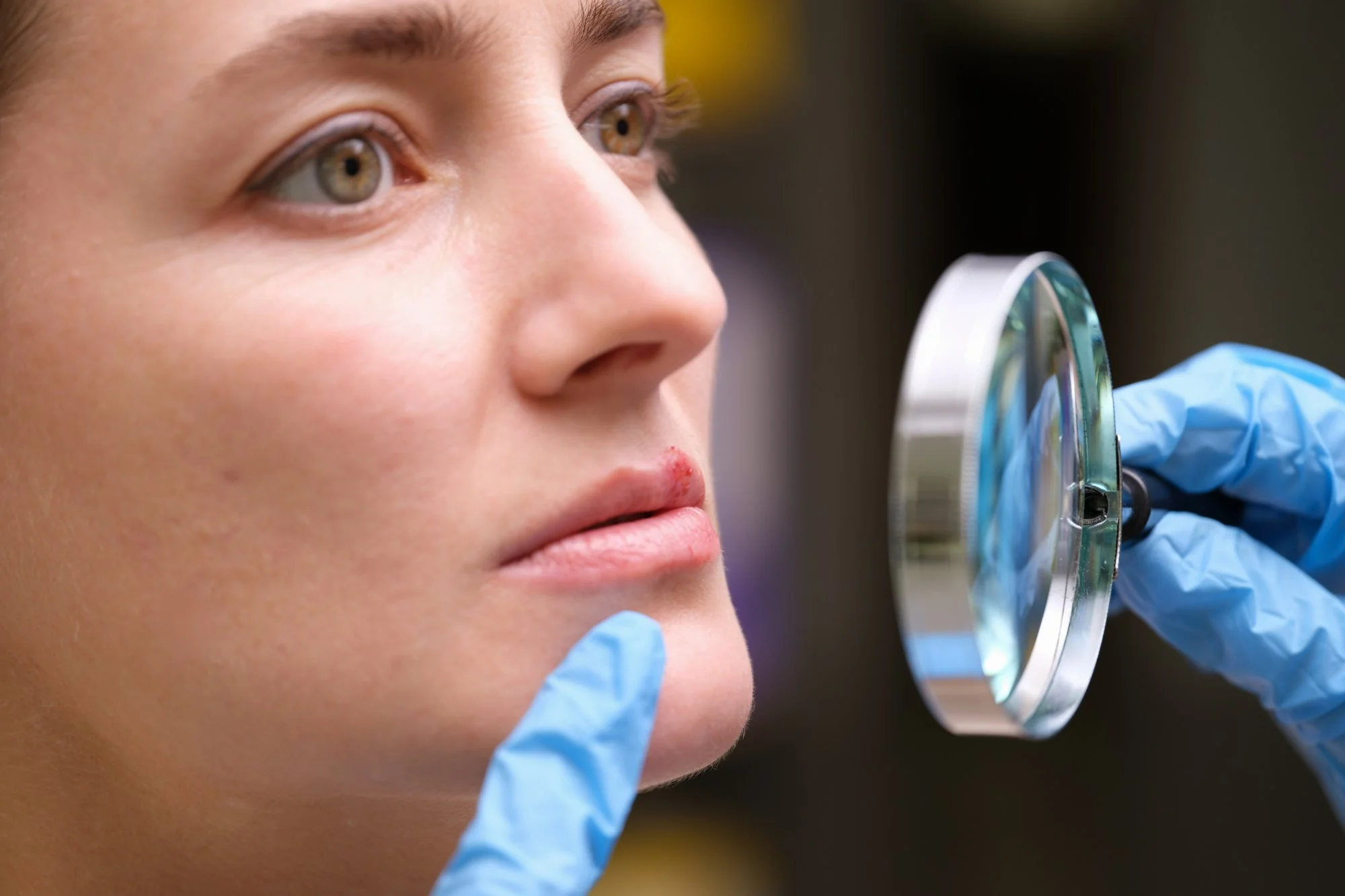


.svg)