



.svg)
.svg)
Contents
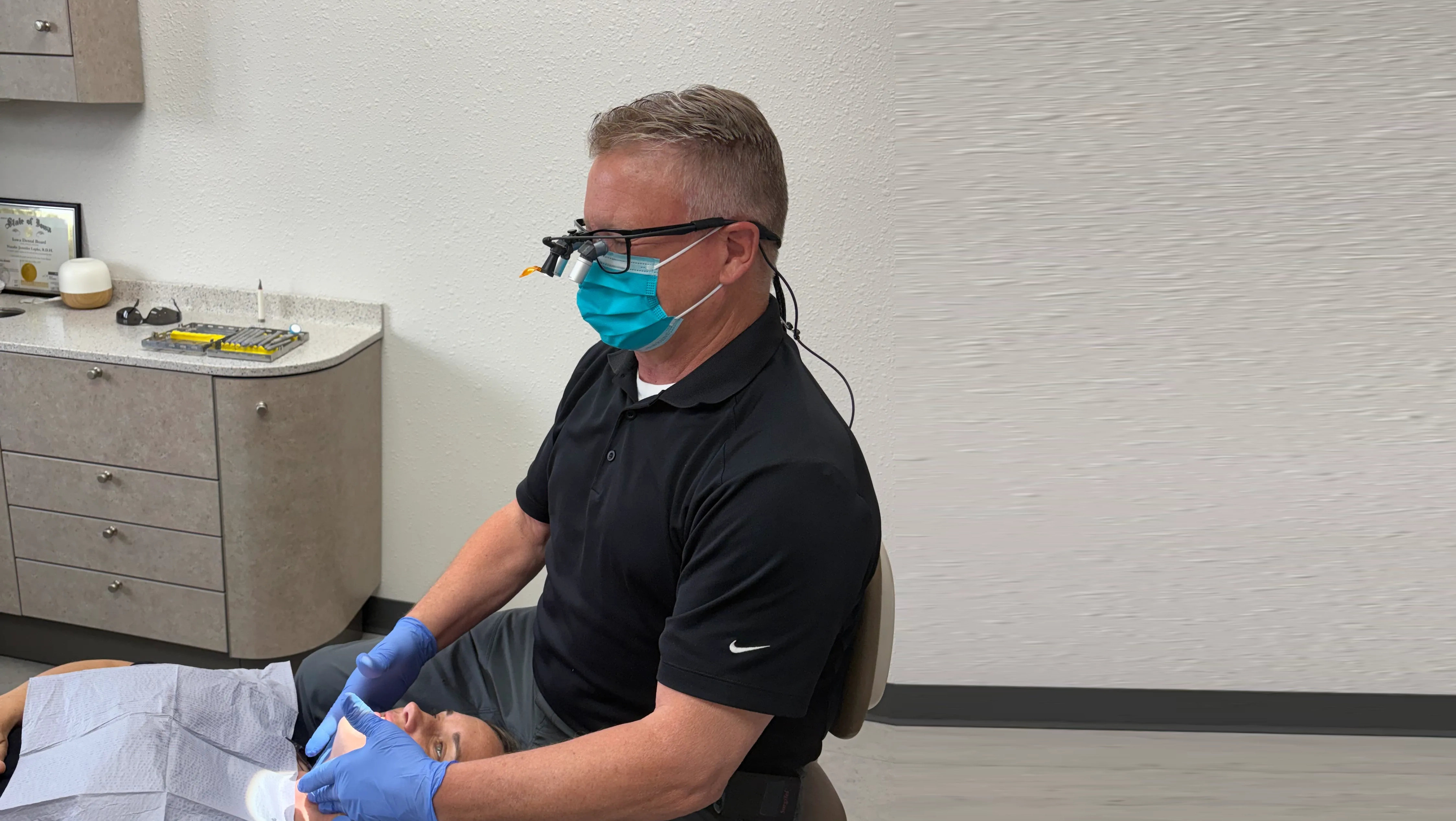
Three valuable dental treatments frequently discussed with patients are dental implants, protective bite guards, and professional teeth whitening. They address very different needs: replacing a missing tooth, protecting teeth from damaging forces, and improving the color of natural enamel. None is automatically right for everyone, and each works best after a dentist identifies the underlying problem and explains realistic benefits, limitations, maintenance, and cost.
At Markham Family Dental Associates, treatment begins with a comprehensive dental exam in Harlan, IA. A healthy-looking smile can still contain decay, gum disease, cracks, bite problems, or failing restorations, so diagnosis should come before choosing an implant, guard, whitening system, or any other elective treatment.
Why These Three Treatments Are So Useful
Dental care is most valuable when it solves a specific problem while preserving as much health and function as possible. Dental implants can restore chewing support after tooth loss. Bite guards can shield teeth and restorations from clenching or grinding forces in selected patients. Whitening can improve external and internal discoloration of natural teeth without changing their shape.
These treatments are also highly customizable. An implant plan depends on the number and location of missing teeth, bone support, medical history, and the final restoration. A guard must fit the bite and intended purpose. Whitening strength and timing should reflect the type of stain, sensitivity, and visible crowns or fillings.
The word “valuable” does not mean that every patient needs all three. Value comes from choosing the least invasive treatment that predictably addresses the patient’s concern and can be maintained long term.
Treatment One: Dental Implants
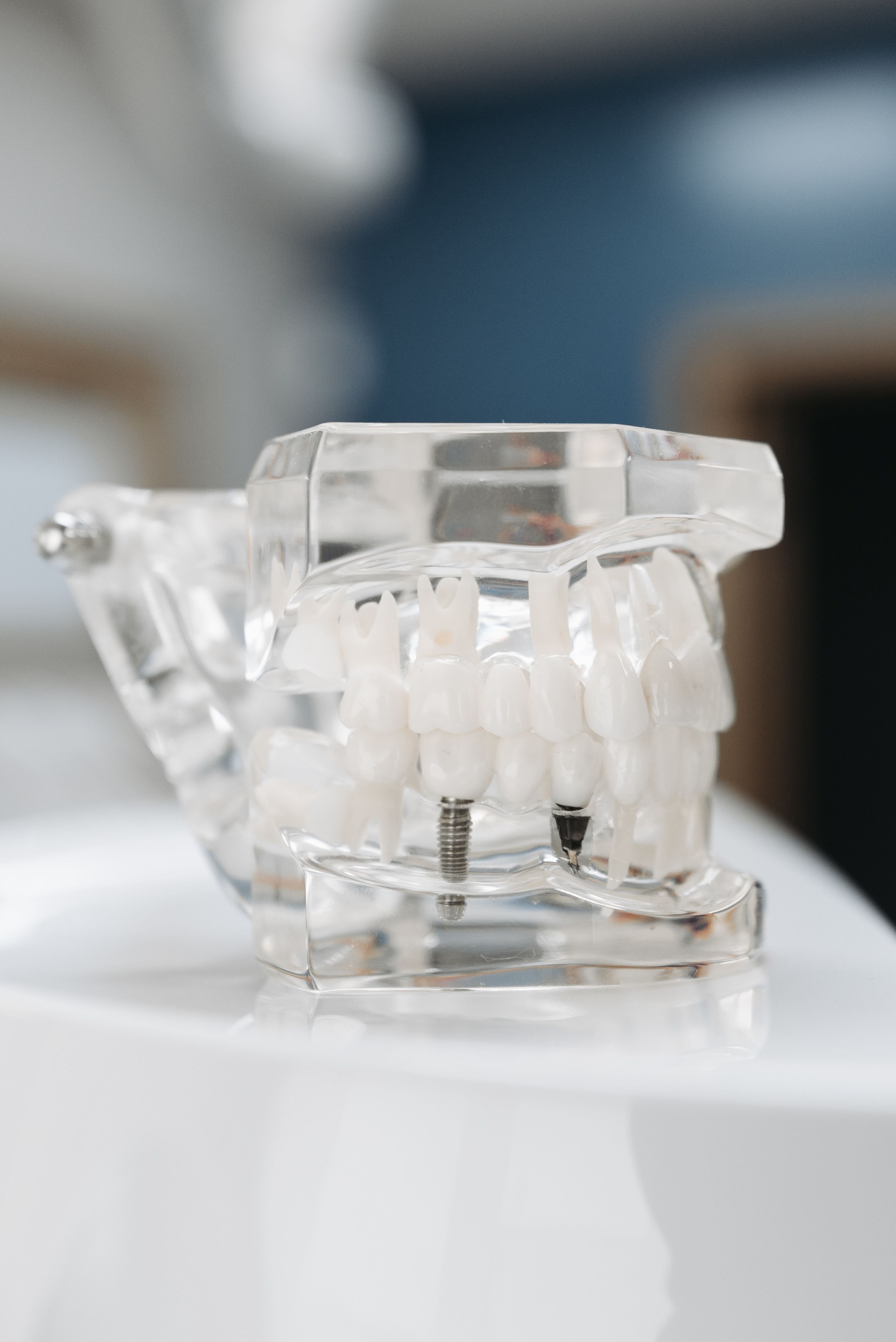
A dental implant is a small fixture placed in the jaw to support a replacement tooth or prosthesis. After integration and healing, the implant may support a single crown, a bridge, a removable implant-supported denture, or a fixed full-arch restoration. The implant replaces the root portion of a missing tooth; the visible tooth is a separate restoration attached to it.
Patients often choose implants because they can provide stable chewing support without relying on an adjacent natural tooth for a traditional bridge. They can also help preserve bone in the area of tooth loss by transmitting functional forces to the jaw. However, an implant is not a maintenance-free artificial tooth. The surrounding gum and bone can become inflamed or infected, and the crown or bridge may require repair over time.
Markham provides dental implant treatment, including evaluation with 3D imaging, surgical planning, restoration, and follow-up in one practice.
Who May Be a Candidate for an Implant?
Candidacy depends on more than age. The dentist evaluates bone volume and quality, gum health, bite forces, smoking or nicotine use, medications, healing capacity, diabetes control, and the reason the tooth was lost. Active gum disease and uncontrolled decay should be treated before implant surgery.
Some patients have enough bone for conventional placement. Others may need grafting, angled implants, or an advanced approach for severe bone loss. Patients who have been told they lack bone can ask about zygomatic implants and remote anchorage options, but those techniques are appropriate only after detailed imaging and case review.
Alternatives to Dental Implants
Implants are not the only way to replace teeth. A dental bridge uses neighboring teeth for support, while full or partial dentures provide a removable option. The best choice depends on anatomy, remaining teeth, cost, timeline, surgery preferences, and maintenance ability.
A good consultation compares options rather than presenting one treatment as the answer for every patient. Written estimates and a clear sequence help patients understand what is included.
How to Care for an Implant
Implant restorations need twice-daily brushing and daily cleaning around the implant with floss, an interdental brush, a water flosser, or another recommended device. Professional cleaning instruments and frequency may differ from those used around natural teeth.
Call the dentist for bleeding, swelling, persistent bad taste, mobility, discomfort, or a change in the bite. Early inflammation is easier to address than advanced bone loss. Smoking and poorly controlled plaque increase risk and should be discussed honestly during planning.
Treatment Two: A Protective Bite Guard
A bite guard, also called an occlusal guard, nightguard, or splint, is a removable appliance designed to fit over the teeth. It may be recommended when clenching or grinding is contributing to enamel wear, chipped teeth, damaged restorations, muscle fatigue, or selected jaw symptoms.
Many people clench during the day or grind while sleeping without realizing it. Clues can include flattened biting surfaces, small enamel fractures, repeated crown or filling damage, morning jaw tightness, or a partner hearing grinding sounds. These signs do not prove that every headache or jaw pain comes from bruxism, so an examination is important.
Markham evaluates bite-related symptoms through its TMJ/TMD treatment services. The first step is usually conservative: identify habits, reduce avoidable strain, assess the bite and muscles, and decide whether an appliance is likely to protect the teeth.
Custom, Boil-and-Bite, and Stock Guards
A custom guard is fabricated from a dental scan or impression and adjusted to the patient’s bite. The close fit can improve retention, comfort, speech, and durability. A boil-and-bite guard is softened and adapted at home, while a stock guard comes in a fixed shape.
Over-the-counter guards may be reasonable for short-term athletic protection when properly fitted, but a bulky or poorly fitting nightguard can be uncomfortable and may alter how forces contact the teeth. Patients with significant jaw pain, changing bite, extensive dental work, sleep concerns, or orthodontic treatment should ask a dentist before long-term use.
What a Nightguard Can and Cannot Do
A guard creates a protective layer between the upper and lower teeth and can reduce direct wear or fracture risk. It does not stop every clenching muscle contraction, cure stress, treat sleep apnea, or guarantee relief from headaches. If symptoms continue, the dentist or physician may need to evaluate other causes.
Snoring, gasping, daytime sleepiness, or witnessed breathing pauses require medical assessment. A standard nightguard is not a substitute for diagnosis and treatment of obstructive sleep apnea.
Caring for a Bite Guard
Rinse the guard after use, clean it with the method recommended for its material, and allow it to dry before storing it in a ventilated case. Avoid hot water, which may distort some appliances. Do not chew on the guard or leave it where a pet can reach it.
Bring the appliance to dental visits so the team can inspect fit, wear, and bite contact. Replace it when it becomes cracked, distorted, loose, unhygienic, or no longer fits after dental treatment.
Treatment Three: Professional Teeth Whitening
Whitening uses peroxide-based agents to lighten discoloration in natural tooth structure. It can be provided in the office or through custom trays and gel for home use. Over-the-counter strips may also lighten teeth, but dentist-supervised treatment allows the plan to be adjusted for sensitivity, stain type, gum health, and existing restorations.
Surface stains from coffee, tea, tobacco, and plaque may first improve with a professional teeth cleaning. Internal color changes from aging may respond to bleaching, while a single dark tooth after trauma or root canal treatment may need a different approach.
Our professional teeth whitening service begins with an evaluation so patients understand what is likely to change and what will remain the same.
Whitening Does Not Change Restorations
Crowns, veneers, bonding, fillings, bridges, and implant crowns do not bleach like natural enamel. Whitening natural teeth around them can create a mismatch. When a visible restoration is already planned, the dentist may recommend whitening first, waiting for the shade to stabilize, and then matching the restoration.
If discoloration comes from enamel defects, a large old filling, shape concerns, or a non-vital tooth, dental bonding or porcelain veneers may be considered. The most conservative effective option should be discussed first.
Sensitivity and Gum Irritation
Temporary sensitivity is a common whitening side effect. It may feel like a quick response to cold air or water. Exposed roots, cracks, cavities, gum recession, and higher product concentrations can increase discomfort.
Do not whiten through strong, spontaneous, or one-tooth pain. Pause treatment and call the dentist. A desensitizing toothpaste, lower concentration, shorter wear time, or altered schedule may help when the teeth are otherwise healthy.
Avoid Unsafe DIY Whitening
Lemon juice, vinegar, household bleach, abrasive charcoal powders, and frequent scrubbing with rough mixtures can injure gums or wear enamel. Acid may make teeth appear temporarily brighter by removing surface mineral, but enamel loss can expose more yellow dentin and increase sensitivity over time.
Use products with clear instructions and do not combine systems or exceed wear times. A brighter smile should not come at the expense of healthy tooth structure.
How to Decide Which Treatment Has the Most Value for You
Begin with the problem rather than the product:
- A tooth is missing: compare an implant, bridge, and removable replacement.
- Teeth or restorations are wearing or breaking: evaluate grinding, bite forces, habits, and whether a guard is appropriate.
- Natural teeth look darker: identify whether the cause is stain, tartar, aging, trauma, decay, or restoration color.
The examination may reveal that a different treatment is more urgent. Gum disease should be stabilized before an implant. A cracked tooth should be treated before whitening. A nightguard should not cover untreated decay or replace evaluation of severe jaw symptoms.
Questions to Ask Before Treatment
- What diagnosis is this treatment addressing?
- What are the alternatives, including doing nothing for now?
- What benefits are realistic in my case?
- What risks, side effects, and maintenance should I expect?
- How long is the treatment and healing process?
- What parts may need repair or replacement later?
- What is included in the written estimate?
- Will existing dental work affect the result?
For larger plans, our insurance and financing information explains benefits verification and available payment options.
Valuable Treatment Begins With the Right Diagnosis
Dental implants, bite guards, and teeth whitening can each provide meaningful value when used for the right reason. Implants replace missing teeth, guards protect against selected damaging forces, and whitening improves the color of natural enamel. Their success depends on careful planning, realistic expectations, and ongoing maintenance.
To compare options with the Markham Family Dental Associates team, request an appointment or call (712) 755-5342.
People Ask
 Dr. Roy Burkhalter, DDS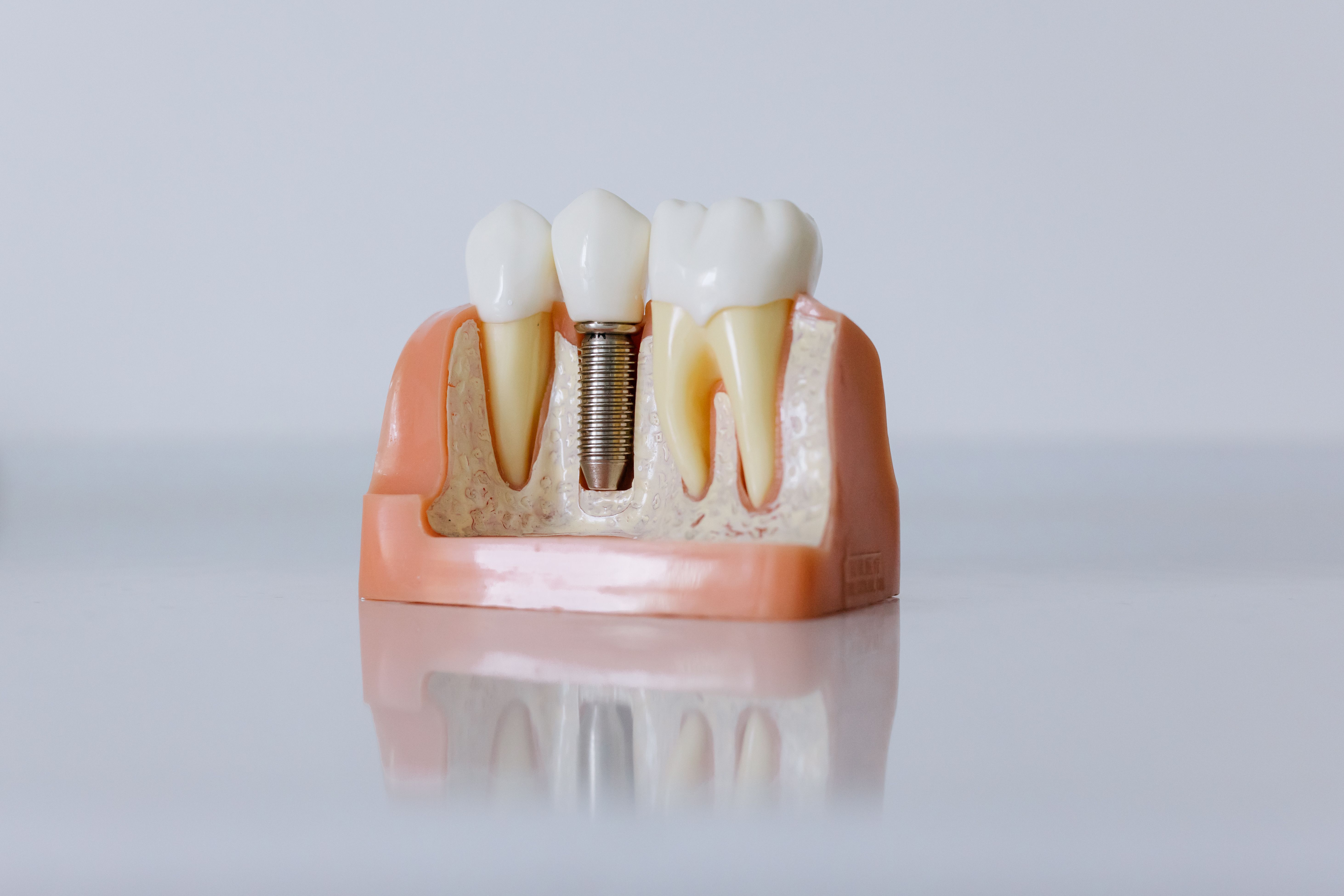

.svg)