



.svg)
.svg)

Contents
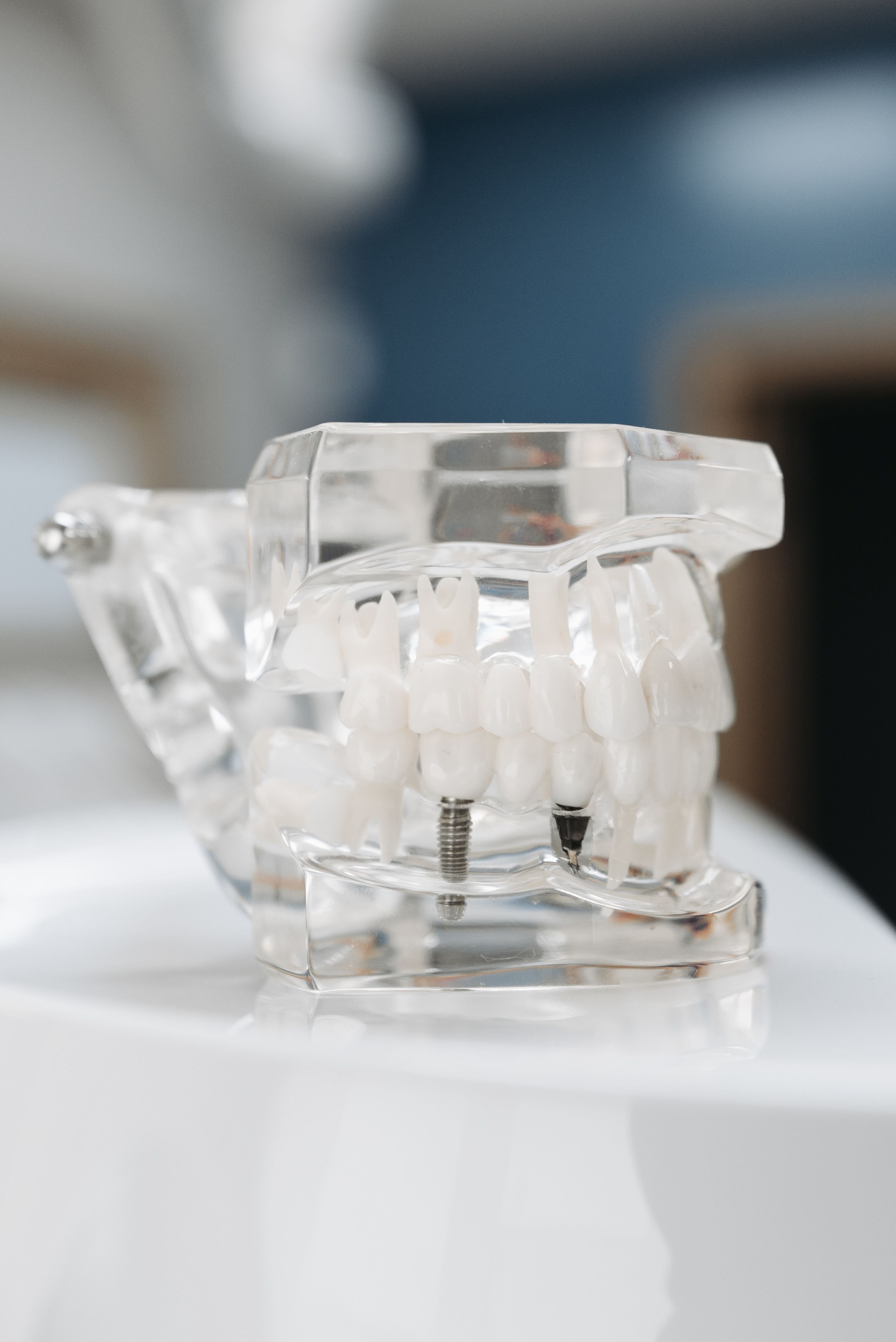
Why it is important to replace missing teeth is not only about appearance. A gap can change how neighboring teeth contact, how the opposing tooth functions, how chewing force is distributed, and how the jawbone at the empty site remodels over time. Some spaces can be monitored for a period; others become harder to restore the longer they are left alone.
Our dental implants page explains implant candidacy, procedure, and restoration options. This article focuses on a different question: what actually changes after a tooth is lost, and why timing can affect your future choices.
The Bone at the Missing-Tooth Site Begins to Remodel
Jawbone is responsive to function. Natural tooth roots transmit forces into the surrounding bone during chewing. After a tooth is removed, that stimulation changes and the ridge commonly becomes narrower and shorter over time.
The amount of remodeling varies by person and site. It does not mean every patient who waits will need bone grafting, but a site that had adequate bone immediately after extraction may be different several years later.
Neighboring Teeth Can Drift Into the Space
Teeth are held in position by a balance of contacts, periodontal support, and bite forces. When one tooth disappears, adjacent teeth may gradually tip or rotate toward the gap.
That movement can make the space too narrow for an ideal replacement, create new food traps, or change how the bite contacts. Correcting the tooth position later may require orthodontic movement before replacement.
The Opposing Tooth Can Move Too
A tooth normally contacts a tooth in the opposite arch. When that contact is lost, the opposing tooth can sometimes erupt farther into the empty space over time.
That can reduce the vertical room available for a replacement and create bite interference. The longer the change is present, the more complicated correction may become.
Chewing Force Gets Redistributed
Many patients adapt quickly to a missing tooth by chewing on the other side. That works in the short term, but it can place more functional demand on the remaining teeth and restorations.
A missing back tooth may not show when you smile, yet it can still influence how efficiently the bite distributes force.
Not Every Missing Tooth Must Be Replaced the Same Way
Options can include a dental implant, fixed bridge, removable partial denture, or, in selected situations, monitoring the space. The best choice depends on which tooth is missing, the condition of neighboring teeth, bone support, bite, age, health, cost, and patient preference.
Our dental bridges page explains the fixed non-implant option, while the implant page covers root-replacement treatment.
Why an Implant Can Preserve Independence From Neighboring Teeth
A single implant can support a replacement crown without requiring the adjacent teeth to be prepared for a traditional bridge. That is especially attractive when neighboring teeth are healthy and largely untouched.
An implant is not automatically the best choice, however. Bone availability, medical history, healing, smoking, periodontal health, timeline, and cost all matter.
When a Bridge May Make More Sense
A bridge may be reasonable when neighboring teeth already need crowns, when surgery is not desired or advisable, when treatment timing matters, or when anatomy makes implant placement less attractive.
The tradeoff is that the supporting teeth become part of the restoration and must be maintained carefully at the margins and under the replacement tooth.
What If the Tooth Has Been Missing for Years?
Long-standing spaces can still often be restored. The evaluation simply needs to account for bone remodeling, tooth movement, bite changes, gum shape, and available space.
3D imaging can help determine whether an implant is feasible and whether additional procedures are necessary. Being told years ago that a space was difficult to restore does not necessarily mean there are no options today.
Missing Front Teeth and Missing Back Teeth Create Different Priorities
Front-tooth replacement has high cosmetic demands. Gum contour, tooth shape, symmetry, and shade are major considerations.
Back-tooth replacement is often driven more by function and force. Restoring posterior support can help distribute chewing more evenly and prevent the bite from relying on fewer teeth.
Does Replacing a Tooth Stop All Bone Loss?
An implant transmits functional force into the jaw and can help maintain bone around the implant site. It does not freeze the jawbone permanently or prevent every future change.
Bone and gum levels remain influenced by oral hygiene, periodontal health, smoking, systemic health, bite forces, and aging.
What If the Missing Tooth Was a Wisdom Tooth?
Wisdom teeth are a common exception. Third molars typically do not need replacement after removal because they are not required for normal function and replacing them offers little practical benefit.
The replacement discussion is more relevant for teeth that contribute meaningfully to chewing, bite stability, speech, or appearance.
Sometimes Waiting Is Reasonable
Immediate replacement is not always necessary. A recently extracted site may need healing. A teenager may need growth to finish. A patient may be treating gum disease first or planning orthodontic movement.
The key is intentional waiting with a plan, not simply ignoring the gap indefinitely. An exam can establish whether the space, bone, and neighboring teeth should be monitored.
Early Planning Preserves Choices
One of the biggest advantages of discussing replacement soon after tooth loss is that more options may still be straightforward. If an implant is being considered, extraction-site preservation or timing may affect the later plan.
If the tooth has already been missing for years, planning is still worthwhile. The dentist can evaluate what has changed and which path offers the best balance of function, cost, invasiveness, and maintenance.
Questions to Ask About a Missing Tooth
- What happens if I leave this space alone?
- Are the neighboring teeth already drifting?
- How much bone is available now?
- Would an implant, bridge, or partial denture fit my situation best?
- Do the adjacent teeth already need restorations?
- Would delaying treatment make any option harder later?
- What maintenance will each replacement require?
The Best Time to Plan Is Before the Space Changes Too Much
A missing tooth does not always create an immediate problem, but the mouth is dynamic. Bone remodels, teeth can move, and the bite adapts. Those changes can reduce the simplicity of future treatment.
Replacing the tooth is not always urgent, and an implant is not the only answer. What matters is evaluating the space early enough to understand the tradeoffs and preserve reasonable options.
People Ask
 Dr. Roy Burkhalter, DDS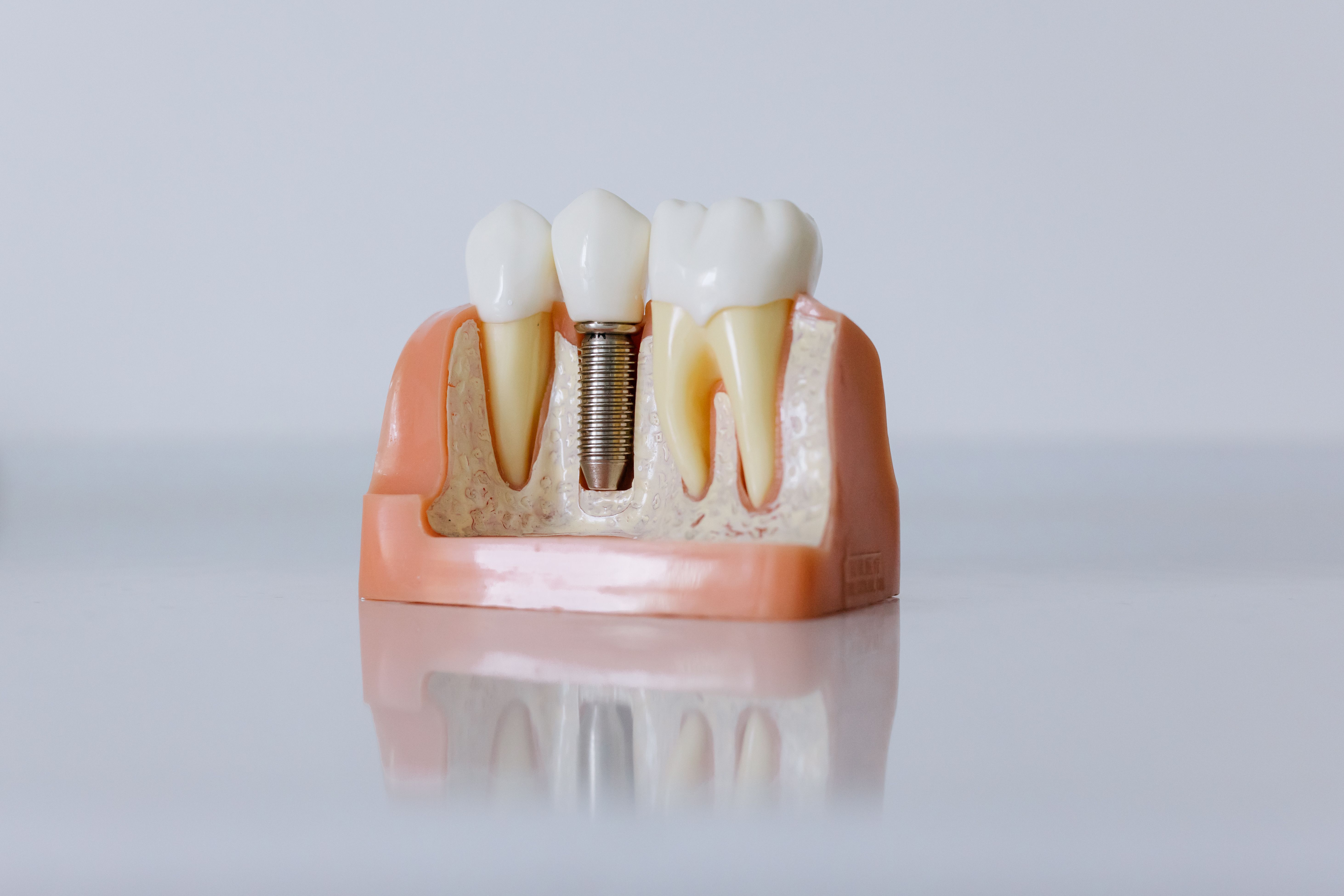

.svg)