


.svg)
.svg)
Contents
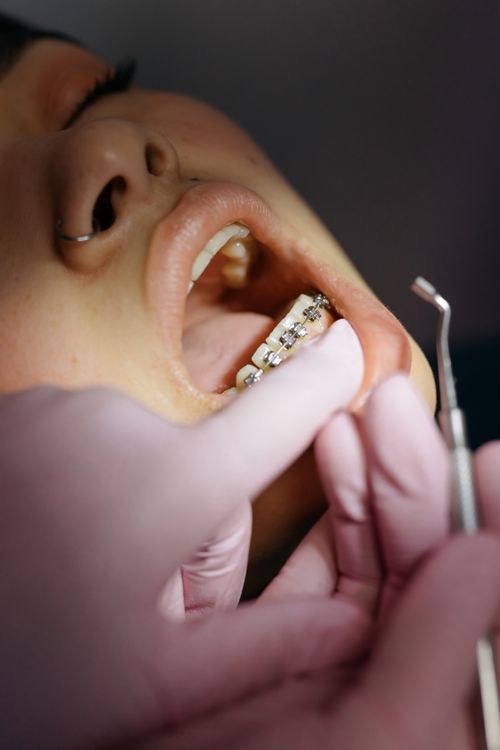
October is Orthodontic Health Month, but the most useful orthodontic reminder is not whether braces or clear aligners are “better.” It is that moving teeth stay healthiest when plaque, sugar exposure, broken appliances, and sports injuries are managed throughout treatment.
Our braces and clear aligners pages explain candidacy and treatment. This article focuses on protecting enamel and gums while the teeth are moving.
Brackets Create New Plaque-Trapping Edges
Braces do not cause cavities by themselves. The challenge is that brackets and wires create additional surfaces where plaque and food can accumulate.
Brush carefully above, below, and around each bracket instead of sweeping quickly across the wire. The gumline and the area between the bracket and gum deserve particular attention.
White Spots Are an Early Warning
Chalky white areas around brackets can represent enamel demineralization caused by repeated acid exposure from plaque. These marks can become permanent even after the braces come off.
Consistent fluoride toothpaste, plaque removal, and limiting frequent sugary or acidic drinks help protect enamel during treatment.
An Interdental Brush Can Reach Where a Regular Brush Cannot
Small interdental brushes can clean around wires and between brackets. They are especially useful after meals when food is visibly caught in the appliance.
They complement normal brushing rather than replacing it.
Flossing Takes More Time With Braces, but It Still Matters
Floss threaders, orthodontic floss, interdental brushes, or other recommended tools can help clean between teeth. Water flossers may also be useful for some patients.
The best tool is one the patient can use consistently and correctly. Ask the dental or orthodontic team to demonstrate technique rather than abandoning interdental cleaning because it feels slow at first.
Professional Cleanings Still Matter During Orthodontics
Orthodontic adjustment visits are not the same as preventive dental care. Cavities, gum inflammation, enamel changes, and tartar still need routine monitoring.
Continue your regular professional teeth cleanings and exams during braces or aligner treatment unless your clinicians recommend a different schedule.
Frequent Sugary Drinks Are Especially Hard on Braces
Soda, sweet tea, sports drinks, energy drinks, and frequent sweet coffee expose plaque to repeated sugar and acid. Brackets make plaque control more demanding, so frequent sipping can increase the chance of visible enamel changes around the appliance.
Water is the best routine drink between meals.
Hard and Sticky Foods Can Break Brackets and Wires
Ice, hard candy, popcorn kernels, sticky candy, and biting directly into very hard foods can loosen brackets or distort wires. Cutting firm foods into smaller pieces reduces stress on the appliance.
A broken bracket is usually not dangerous, but it can interrupt planned tooth movement and should be reported.
What to Do With a Poking Wire
Orthodontic wax can temporarily cover a rough bracket or wire. If a wire is poking the cheek or gum, call the office for instructions and an adjustment if needed.
Do not repeatedly bend or cut orthodontic hardware without guidance unless the treating office gives specific instructions for that situation.
Clear Aligners Need a Different Hygiene Routine
Aligners come out for eating and for most drinks other than plain water. This makes brushing easier, but it creates another risk: placing the tray back over teeth coated in sugar, acid, or food debris.
Rinse the mouth and clean the teeth as practical before reinserting aligners. Follow the treating clinician’s instructions on wear time so hygiene does not become an excuse for leaving trays out too long.
Do Not Sip Sweet or Acidic Drinks Through Aligners
A tray can hold liquid against the teeth. Repeatedly sipping soda, sports drinks, sweet coffee, or juice while aligners are in can prolong exposure.
Remove the aligners for those drinks, follow the treatment instructions, and clean appropriately before reinsertion.
Keep Aligners Away From Heat
Very hot water can distort thermoplastic aligners. Clean them according to manufacturer and clinician instructions using cool or lukewarm water rather than boiling or very hot water.
Sports Require Extra Protection
Braces can increase lip and cheek injury during an impact because brackets and wires can press into soft tissue. Athletes should use an orthodontic-compatible mouthguard when appropriate for the sport.
Our Mouthguard Q&A explains how mouthguard design changes when braces are present.
What if a Tooth Feels Loose?
Teeth can feel slightly mobile during orthodontic movement because the supporting tissues are remodeling. Severe mobility, trauma, sudden bite changes, or a tooth that feels dramatically different should be checked.
Gum Bleeding Is a Hygiene Signal
Bleeding around brackets often reflects plaque-related gum inflammation. It is not a reason to stop cleaning the area.
Use gentle technique and ask for evaluation if bleeding persists, swelling increases, or there is a localized painful area.
Retainers Need Maintenance Too
Orthodontic health does not end when active treatment stops. Removable retainers should be cleaned according to instructions and kept in a case when not in use.
A lost or broken retainer should be reported before significant tooth movement occurs.
A Simple Orthodontic Health Checklist
- Brush carefully around every bracket or attachment.
- Clean between teeth every day.
- Use fluoride toothpaste.
- Keep water as the default between meals.
- Avoid repeatedly sipping sugary or acidic drinks.
- Follow food restrictions that protect brackets and wires.
- Wear appropriate sports protection.
- Keep regular dental cleanings and exams.
- Report broken appliances instead of waiting until the next scheduled visit.
- Wear retainers or aligners exactly as prescribed.
The Best Orthodontic Result Includes Healthy Enamel and Gums
Straighter teeth are only part of the goal. Finishing treatment without avoidable white spots, cavities, inflamed gums, or repeated appliance damage requires daily care throughout the process.
Orthodontic Health Month is a useful reminder to check technique, replace worn tools, clean appliances, and make sure routine preventive visits have not been lost in the schedule of orthodontic adjustments.
People Ask
 Dr. Roy Burkhalter, DDS

.svg)