


.svg)
.svg)
Contents

’Tis the season for healthy dental choices, even when the calendar is filled with parties, family meals, school events, travel, and trays of sweets. Holiday foods do not have to ruin your smile, but the way you eat and drink during the season can affect cavity risk, enamel wear, gum health, and the chance of a dental emergency.
The biggest problem is often not one dessert. It is repeated exposure: candy at the office, sweet coffee in the morning, cookies in the afternoon, and a sugary drink at night. Each exposure gives plaque bacteria another opportunity to produce acids. A few practical habits can help your family enjoy seasonal traditions while protecting teeth.
Why Holiday Eating Can Be Hard on Teeth
During a meal, saliva production increases and helps wash away food particles and neutralize acids. When sweet or starchy foods are eaten repeatedly between meals, teeth experience more frequent acid challenges and have less recovery time. Sticky foods stay in contact with enamel longer, while hard foods can crack weakened teeth or restorations.
Holiday schedules can also disrupt home care. Late nights, travel, overnight guests, and changes in routine make it easier to skip brushing or forget floss. Dry winter air, medications, alcohol, and dehydration may reduce the comfortable cleansing effect of saliva. The goal is not perfection; it is to protect the habits that have the greatest impact.
Enjoy Sweets With Meals Instead of Grazing
If you plan to have pie, cookies, or candy, eating them with or shortly after a meal is generally kinder to teeth than nibbling throughout the day. Saliva is already flowing, and the exposure is limited to a defined period. Put treats away after the meal rather than leaving a bowl within easy reach for hours.
For children, establish a predictable treat time instead of allowing unrestricted access to a holiday stash. This reduces repeated sugar exposure and makes brushing routines easier to maintain. Avoid sending a child to bed with juice, sweetened milk, hot chocolate, or any drink other than water.
Portion size matters for overall nutrition, but from a cavity perspective, frequency is especially important. One dessert eaten with dinner is a different pattern from the same amount consumed in small bites over an entire evening.
Be Selective About Sticky Foods
Caramels, gummies, taffy, dried fruit, fruitcake, and some snack bars can cling to grooves and between teeth. The longer a sugary food remains, the longer bacteria can use it. Sticky treats can also pull at loose fillings, temporary crowns, orthodontic brackets, and removable dental appliances.
You do not have to ban every sticky food, but choose a small portion, eat it with a meal, drink water afterward, and clean between your teeth later. Patients with braces, bridges, implants, or tight contacts may benefit from an interdental brush or water flosser in addition to regular floss.
If a filling or crown feels loose after eating something sticky, do not continue chewing on that side. Contact the office so the restoration can be evaluated before it breaks or comes off completely.
Take Care With Hard Candy, Ice, and Nuts
Candy canes, peppermints, brittle, hard nuts, popcorn kernels, and ice create a different concern: fracture. A healthy tooth is strong, but a large filling, crack, root canal, temporary crown, or worn edge can make it vulnerable to sudden pressure.
Let hard candy dissolve only if you choose to have it, but remember that doing so creates a long sugar exposure. A better option may be a small piece of chocolate eaten with a meal because it tends to clear from the mouth more quickly than sticky or hard candy. Never use teeth to open packaging, crack shells, or cut ribbon.
If a tooth chips, save any fragment you can find, rinse gently, and call us. Our emergency dentistry service in Harlan helps patients with broken teeth, lost fillings, swelling, and urgent pain.
Make Water the Default Holiday Drink
Water rinses loose food particles without adding sugar or acid. Keep a glass or bottle nearby during shopping, travel, parties, and long meals. Fluoridated tap water provides an additional cavity-prevention benefit for many communities.
Holiday drinks can be surprisingly hard on enamel. Sweetened coffee, cocoa, punch, soda, sports drinks, energy drinks, wine, cocktails, and sparkling beverages may contain sugar, acid, or both. Sipping them slowly over several hours extends the contact time.
Have sweet or acidic drinks with a meal, finish them within a reasonable period, and follow with plain water. A straw may reduce contact with the front teeth for some cold beverages, but it does not eliminate the effects of sugar or acid.
Alcohol, Dry Mouth, and Oral Health
Alcohol can contribute to dry mouth, and many seasonal cocktails contain added sugar or acidic mixers. Dry mouth matters because saliva helps cleanse the mouth, buffer acids, support swallowing, and protect oral tissues.
If you drink alcohol, alternate with water, avoid holding or swishing the drink around your teeth, and do not skip brushing before bed. Follow medical guidance about alcohol use, medications, pregnancy, driving, and personal health conditions.
Persistent dry mouth is not merely uncomfortable. It can increase the risk of cavities, sensitivity, and oral infections. Tell your dentist about ongoing dryness and bring a current medication list to your dental exam.
Build a Smile-Friendly Holiday Plate
Balanced meals make it easier to limit grazing. Include protein, vegetables, whole grains, and lower-sugar dairy or alternatives that fit your health needs. Cheese, plain yogurt, crisp vegetables, nuts for patients who can chew them safely, eggs, fish, poultry, and whole fruit can all be useful options.
Starchy foods deserve attention too. Crackers, chips, bread, and pastries can become trapped in pits and between teeth. Clean thoroughly later rather than assuming only candy causes cavities.
Whole fruit is generally preferable to sticky dried fruit or juice. Citrus and other acidic fruits are nutritious, but repeated exposure may irritate sensitive teeth or contribute to erosion. Eat them with meals, rinse with water, and wait before brushing if the meal was especially acidic.
Keep Brushing and Interdental Cleaning Non-Negotiable
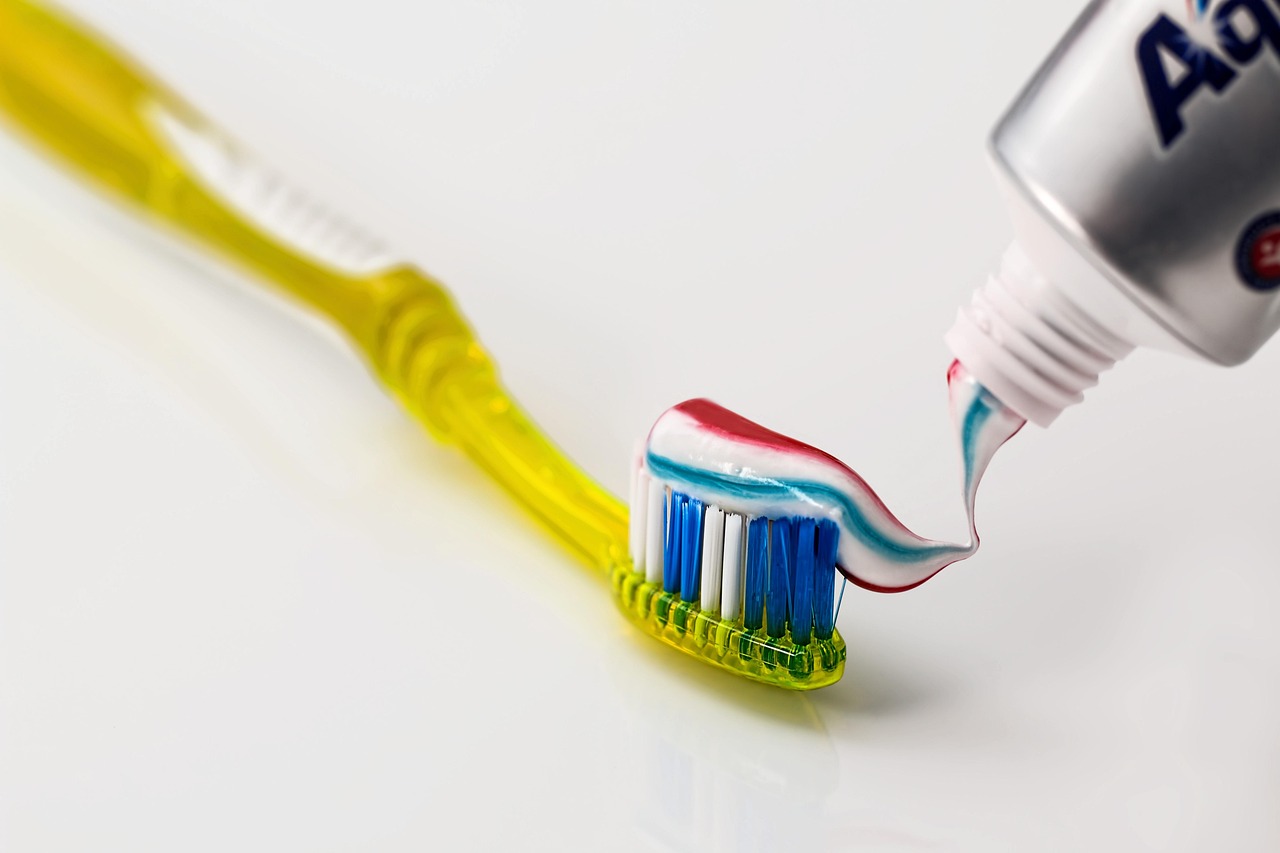
Brush twice a day for about two minutes with fluoride toothpaste and a soft-bristled toothbrush. Clean between teeth daily with floss or another device that fits your mouth. These habits are most important on busy days when treats are more frequent.
Do not brush harder to “make up” for dessert. Aggressive pressure can irritate gums and contribute to wear near the gumline. Gentle, thorough cleaning is more effective than scrubbing.
If children are staying up late, brush before the evening becomes hectic rather than hoping they will cooperate when exhausted. Young children need adult help, and many older children still benefit from supervision to make sure all surfaces are cleaned.
Pack a Dental Travel Kit
A small kit can keep oral care on track during holiday travel. Include:
- A soft toothbrush in a ventilated cover
- Fluoride toothpaste
- Floss or interdental cleaners
- Any prescribed rinse
- Retainer, aligner, denture, or nightguard cases
- Orthodontic wax if needed
- The dental office phone number
Do not wrap a wet toothbrush in a sealed plastic bag for days. Let it air-dry when possible. Keep appliances in labeled cases rather than napkins, where they are commonly thrown away.
For air travel, keep essential dental items and medications in a carry-on. If you are in the middle of treatment, ask whether travel timing creates any special concerns before leaving.
Protect Braces, Retainers, Dentures, and Dental Work
Patients with braces should avoid sticky candy, hard nuts, popcorn kernels, and biting directly into foods that can damage brackets. Cut firm foods into smaller pieces and chew carefully. Continue cleaning around wires and brackets even when the schedule is busy.
Remove clear aligners before eating or drinking anything other than water, then clean your teeth before replacing them. Do not wrap aligners or retainers in a napkin at a restaurant.
Denture wearers should avoid using dentures to crack nuts or bite very hard candy. Clean dentures daily and remove them according to your dentist’s instructions. If an appliance becomes loose or painful, do not repair it with household glue.
Patients with temporary crowns or recent restorations should follow the instructions provided after treatment. If you know a tooth is cracked or a restoration is failing, scheduling care before a holiday trip may prevent an inconvenient emergency.
Support Children’s Smiles During the Season
Holiday routines are memorable opportunities to model healthy choices. Let children choose a few favorite treats, store the rest out of sight, and offer water between meals. Avoid using candy as a constant reward throughout the day.
Children at higher risk for cavities may benefit from professional fluoride or sealants on the deep grooves of permanent molars. Our family dentistry, fluoride treatments, and dental sealants support preventive care from childhood through adulthood.
Watch for tooth pain, facial swelling, fever, difficulty opening the mouth, or a child avoiding one side while chewing. These are not problems to postpone until the holiday is over.
Know What to Do in a Dental Emergency
For a knocked-out permanent tooth, hold it by the crown rather than the root, rinse it gently if dirty, and try to place it back in the socket without forcing it. If that is not possible, keep it moist in milk or an appropriate tooth-preservation product and seek urgent dental care. Do not reinsert a knocked-out baby tooth.
For a broken tooth, rinse with warm water and use a cold compress on the outside of the face if swelling develops. For a lost crown, save it and call the office; do not use superglue. Severe swelling, trouble breathing, trouble swallowing, or rapidly spreading infection requires emergency medical attention.
Use the End of the Year to Review Dental Benefits
Many dental benefit plans reset at the end of the calendar year, although plan dates and coverage vary. Review remaining preventive benefits, flexible spending funds, treatment estimates, and scheduling needs before December becomes crowded.
Coverage should not determine whether urgent disease is treated, but planning can make recommended care easier to manage. Our insurance and financing page explains how the Markham team helps verify benefits and discusses financing options for larger treatment plans.
Schedule Preventive Care Before Problems Interrupt the Season
A professional cleaning removes tartar that brushing cannot, while an exam can identify cavities, gum inflammation, cracked teeth, and failing restorations before they become emergencies. If you have delayed care, a visit can help you enter the season with a clear plan.
Patients with active decay may need a tooth-colored filling. A structurally weakened tooth may need a crown. Addressing a small problem early is generally simpler than waiting for pain during travel or a family gathering.
A Healthy Holiday Smile Is About Patterns, Not Perfection
You can celebrate without feeling guilty about every seasonal food. Keep treats with meals, choose water often, avoid prolonged grazing, protect teeth from hard objects, and preserve your brushing and flossing routine. These choices reduce risk while leaving room for traditions.
Markham Family Dental Associates provides preventive, family, restorative, and emergency dental care for Harlan and surrounding communities. To prepare your smile for the season, request an appointment or call (712) 755-5342.
People Ask
 Dr. Roy Burkhalter, DDS

.svg)