


.svg)
.svg)
Contents
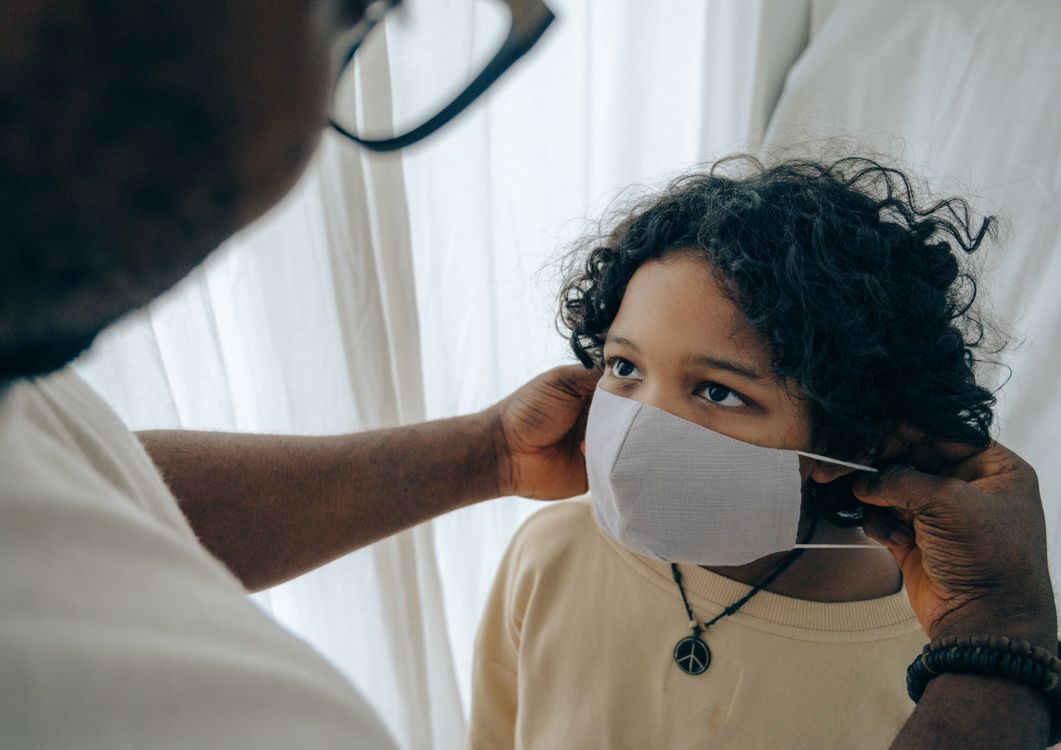
The importance of baby teeth is easy to underestimate because every primary tooth is eventually replaced. But “temporary” does not mean unimportant. Baby teeth support chewing, speech development, facial growth, confidence, and the spacing that helps permanent teeth erupt into a usable arch.
A child can experience years of consequences from a primary tooth that is painful, infected, or lost too early. Protecting baby teeth is about keeping childhood comfortable and functional, not trying to preserve them forever.
Baby Teeth Help Children Learn to Chew
Primary teeth break food into smaller pieces and help children manage increasingly varied textures. Healthy molars allow chewing on both sides instead of avoiding a painful area.
When decay or infection makes chewing uncomfortable, children may favor soft foods or chew only on one side. That can affect diet variety and may be the first clue that a dental problem exists.
They Support Speech Development
The tongue and lips use teeth as reference points for many sounds. Front teeth influence airflow and tongue position during speech development.
Children can adapt to a naturally missing tooth or the normal shedding process, but losing teeth very early from decay or trauma can temporarily affect pronunciation while speech patterns are still developing.
Primary Teeth Hold Space for Permanent Teeth
Each baby tooth occupies a position in the dental arch while the permanent successor develops underneath. When a primary molar is lost much earlier than expected, neighboring teeth can drift into part of the space.
That can reduce room for the permanent tooth and contribute to crowding or eruption problems. In selected cases, a dentist may recommend a space maintainer after early tooth loss.
Baby Molars Stay Longer Than Many Parents Realize
The first baby tooth may loosen around kindergarten age, but the back primary molars often remain for several more years. A cavity diagnosed in a young child may be affecting a tooth that still has a long functional life ahead.
“It will fall out anyway” may be reasonable when a tooth is naturally close to exfoliation. It is not a universal reason to ignore disease in a tooth expected to remain much longer.
Cavities in Baby Teeth Can Hurt
Primary teeth have nerves and blood supply just like permanent teeth. Decay can progress into the pulp, causing sensitivity, spontaneous pain, sleep disruption, swelling, and infection.
Children do not always describe dental pain clearly. They may avoid cold food, stop chewing on one side, become irritable at meals, or wake at night.
Dental Infection Is Not Made Harmless by the Tooth Being Temporary
An infected baby tooth can develop an abscess in the gum or surrounding bone. Facial swelling, fever with a dental infection, spreading redness, or difficulty swallowing requires prompt evaluation.
The treatment may involve restoring the tooth, treating the pulp, or extracting the tooth depending on severity, remaining lifespan, and whether the infection can be predictably controlled.
Healthy Baby Teeth Help Permanent Teeth Start in a Healthier Environment
The permanent tooth develops near the roots of its primary predecessor. Severe infection or trauma in a baby tooth can occasionally affect the developing permanent tooth.
More broadly, a mouth with uncontrolled decay, frequent sugar exposure, and heavy plaque remains high risk when permanent molars begin to erupt. The habits established around baby teeth follow the child into the permanent dentition.
Early Childhood Cavities Predict Future Risk
A child who develops multiple cavities very young often has ongoing risk factors such as frequent sugar exposure, insufficient fluoride, difficult brushing, enamel defects, or limited access to preventive care.
Treating the existing cavities matters, but prevention must address the reason they formed. Otherwise new teeth enter the same high-risk environment.
Fluoride Toothpaste Protects Baby Teeth
Begin brushing when the first tooth erupts. Use a very small smear of fluoride toothpaste for children younger than three and a pea-sized amount for children ages three through six, with caregiver supervision.
Our Brushing Tips for Kids article gives a practical age-by-age routine for parents.
Feeding Habits Matter as Much as Brushing
Teeth respond to how often they are exposed to fermentable carbohydrate. Continuous grazing, frequent juice, sweet drinks, bedtime milk after brushing, and sticky snacks can keep plaque bacteria supplied throughout the day.
Defined meals and snacks plus water between them give saliva time to recover. Our article on using sippy cups successfully explains why drinking frequency matters.
Dental Visits Should Begin Before There Is a Problem
Early preventive care allows the dentist to track eruption, enamel development, feeding habits, fluoride exposure, and cavity risk. It also lets a child become familiar with the dental setting before the first urgent visit is needed.
Markham’s family dentistry care includes young children as their first teeth erupt and continues as permanent teeth replace them.
What Happens if a Baby Tooth Is Knocked Out?
A completely avulsed primary tooth should not be pushed back into the socket because reinsertion could damage the developing permanent tooth underneath.
Control bleeding with gentle pressure and call a dentist. Trauma can also affect neighboring teeth and the permanent tooth bud, so evaluation is useful even when the lost baby tooth seems like the only injury.
When Early Extraction Is the Best Choice
Sometimes a baby tooth cannot be predictably restored because of severe decay, fracture, infection, or root changes. Extraction may be the healthiest option.
The dentist then considers how soon the permanent tooth is expected, how much space could be lost, and whether a space maintainer is useful.
How Parents Can Protect Baby Teeth
- Brush twice daily with fluoride toothpaste.
- Help or check brushing until the child has reliable fine-motor skill.
- Clean between teeth once they touch.
- Offer water between meals.
- Limit frequent juice, sweet drinks, and sticky snacks.
- Do not use a bottle or sippy cup of milk or juice as an overnight comfort object after teeth erupt.
- Keep preventive dental visits.
- Ask about fluoride and sealants based on cavity risk.
- Call early for pain, swelling, trauma, or visible decay.
Temporary Teeth Do Permanent Work for Childhood
Baby teeth are designed to be replaced, but before that happens they perform essential jobs every day. They help a child eat, speak, smile, and maintain room for the adult dentition.
Protecting them does not mean treating every minor issue aggressively. It means recognizing that disease in a primary tooth can cause real pain and real developmental consequences, then choosing prevention or treatment based on how long the tooth still needs to serve the child.
Routine dental exams help parents understand which baby teeth can simply be watched and which need attention before a small problem disrupts eating, sleep, or the permanent teeth developing underneath.
People Ask
 Dr. Roy Burkhalter, DDS


.svg)