



.svg)
.svg)
Contents
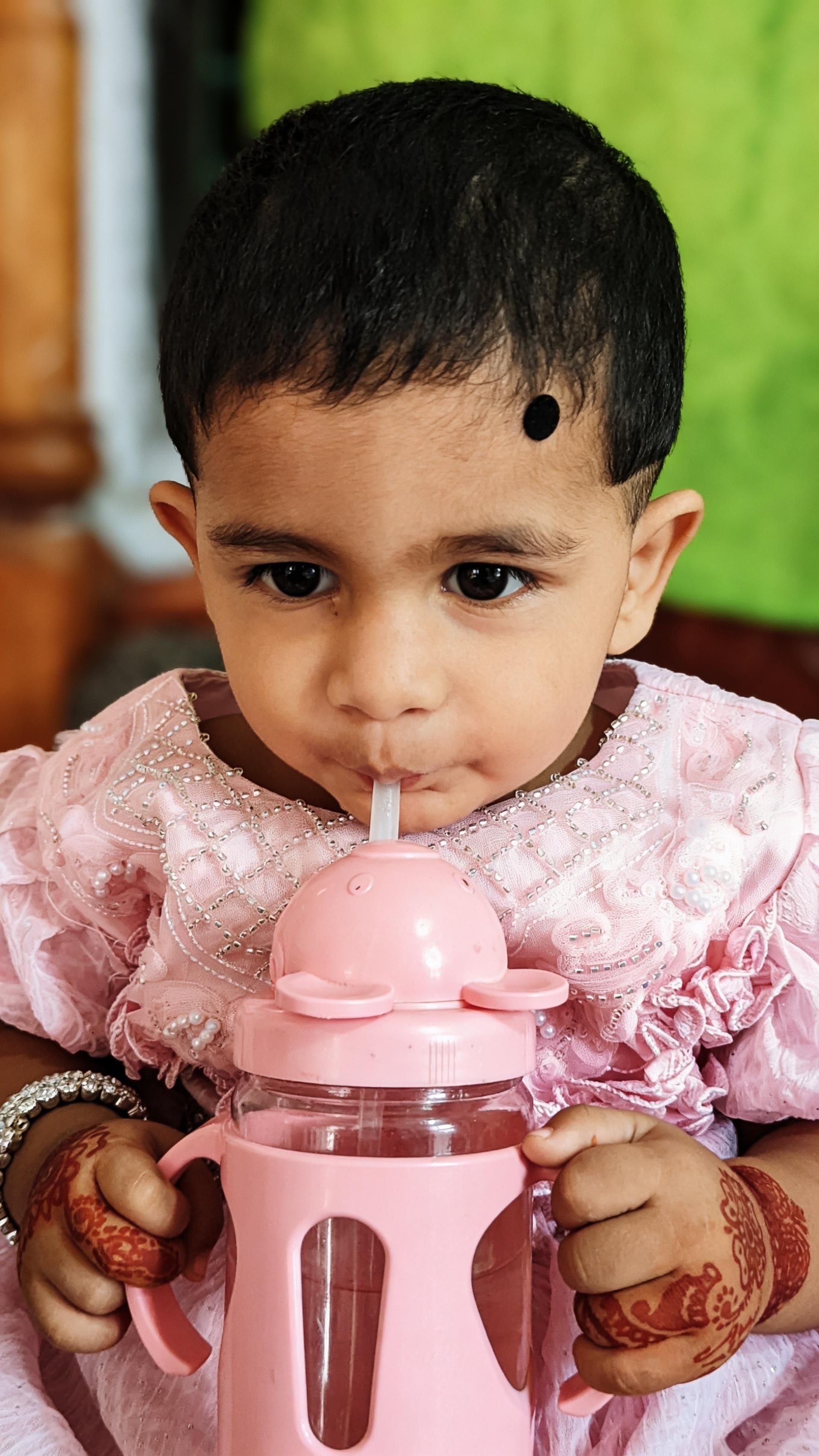
Using sippy cups successfully is less about finding the perfect cup and more about how the cup is used. A spill-proof cup can be a useful bridge between bottle feeding and drinking from an open cup, but carrying it around all day with milk, juice, or another carbohydrate-containing drink can expose newly erupted teeth to repeated acid attacks.
The goal is simple: use the cup as a transition tool, put appropriate drinks in it, keep drinking to defined times, and continue moving toward normal cup skills as the child develops.
The Cup Is Not the Main Cavity Problem
Parents sometimes hear that “sippy cups cause cavities.” The cup itself does not cause decay. The risk comes from what is inside, how frequently the child sips, and whether teeth are repeatedly bathed in sugar or fermentable carbohydrate for long periods.
Milk and 100% fruit juice contain natural sugars. Sweetened drinks contain added sugars. Oral bacteria use these carbohydrates and produce acids that lower plaque pH. Saliva needs time between exposures to help neutralize those acids.
Frequent Sipping Creates More Acid Attacks
A toddler who drinks a cup of milk with breakfast has a defined exposure. A toddler who carries the same cup for two hours and takes a sip every few minutes creates repeated exposures.
Frequency matters because each sip can restart the acid cycle. The same total amount of beverage can have a different dental effect depending on whether it is consumed with a meal or slowly throughout the morning.
Water Is the Best Default Between Meals
If a child wants to carry a cup between meals, plain water is the tooth-friendliest choice. It hydrates without providing fermentable sugar to plaque bacteria and can help rinse food debris from the mouth.
Milk can remain an important part of nutrition, but it is better offered at planned meal or snack times rather than used as an all-day comfort drink. Juice should be limited according to pediatric nutrition guidance and should not become the default hydration drink.
A Sippy Cup Is Meant to Be Transitional
Spill-proof cups are convenient, but they should not become a permanent feeding system. As motor skills develop, children can practice drinking from an open cup or a developmentally appropriate straw cup.
Moving toward normal cup drinking helps the child learn lip, jaw, and swallowing skills and reduces dependence on prolonged sucking for comfort.
Do Not Use a Sippy Cup as a Bedtime Bottle
Going to sleep with milk, juice, formula, sweetened tea, or another carbohydrate-containing drink keeps teeth exposed when saliva flow is naturally lower. That pattern can contribute to early childhood caries, particularly on upper front teeth and newly erupted molars.
After the bedtime brushing, plain water is the safer drink if the child needs one. Feeding needs for infants and children with medical conditions should be discussed with the child’s pediatric healthcare professional.
Brush After the Last Food or Milk of the Day
The last brushing should happen after the child has finished milk, snacks, and other caloric drinks for the evening. Brushing and then offering another cup of milk in bed defeats much of the purpose of cleaning the teeth.
Our Brushing Tips for Kids guide explains fluoride toothpaste amounts, parent supervision, and age-appropriate technique.
What About 100% Fruit Juice?
“No added sugar” does not mean “no dental effect.” Juice contains natural sugars and acids and is easier to consume quickly than whole fruit. Frequent sipping can contribute to both cavity and erosion risk.
If juice is offered, keep the amount appropriate for the child’s age and nutrition plan, serve it with a meal rather than in a roaming cup, and avoid putting it in a bedtime cup.
Are Diluted Juice or Flavored Water Better?
Diluting juice lowers the sugar and acid concentration but does not make continuous sipping ideal. Many flavored waters and drink mixes also contain acids, sweeteners, or sugars.
Plain water is still the simplest everyday choice between meals.
Milk Is Nutritious but Still Needs Timing
Milk contains calcium, protein, and other nutrients, but lactose is a fermentable carbohydrate. It should not be treated like plain water from a cavity-risk perspective.
Offer milk as part of meals and snacks according to the child’s nutrition guidance. If a toddler finishes milk in a cup before bed, brush afterward rather than letting the child continue sipping during sleep.
What If the Child Refuses Water?
Changing a habit can take time. Start by making water routinely available when the child is thirsty, especially after active play. Keep sweet drinks out of constant reach rather than turning every request into a negotiation.
Children often adapt when the routine is consistent: milk with meals, water between meals, and no caloric drinks after the bedtime brushing.
Do Valves and Hard Spouts Matter?
Cup designs vary. Some require strong sucking to open a valve; others free-flow more like an open cup. For most families, the bigger dental issue remains beverage exposure rather than a particular brand or spout material.
If a child has feeding, swallowing, speech, developmental, or sensory concerns, a pediatric clinician or feeding specialist may recommend a specific cup design based on function rather than dental marketing.
When Should a Child See the Dentist?
Early visits are useful because feeding habits and cavity risk can be discussed before decay becomes visible. Markham’s family dentistry care includes preventive guidance for young children as their first teeth erupt.
Schedule sooner for chalky white spots, brown areas, visible holes, tooth pain, swelling, or a child who suddenly avoids certain foods or temperatures.
Early White Spots Can Be a Warning
The first visible sign of decay may be a dull, chalky white area near the gumline rather than a dark hole. At that stage, the enamel may be losing mineral but not yet cavitated.
Early professional evaluation can identify whether fluoride, diet changes, improved plaque control, or restorative treatment is appropriate.
Make the Transition Predictable
A practical routine might look like:
- Water in the cup between meals.
- Milk offered with meals or defined snacks.
- Juice limited and served with food rather than carried around.
- No caloric drinks after the final bedtime brushing.
- Daily practice with an open or straw cup as skills develop.
- Twice-daily brushing with an age-appropriate amount of fluoride toothpaste.
The Successful Sippy Cup Is the One the Child Eventually Outgrows
Sippy cups can make the bottle-to-cup transition easier. Problems arise when a spill-proof cup becomes a constant delivery system for milk, juice, or sweet drinks.
Use it for a stage, keep water as the default between meals, protect the bedtime brushing, and let normal drinking skills gradually replace prolonged sucking. That approach supports both dental health and a smoother transition into family mealtimes.
Routine dental exams give parents a chance to review feeding habits, fluoride exposure, and early enamel changes before a small risk becomes a cavity.
People Ask
 Dr. Roy Burkhalter, DDS



.svg)