


.svg)
.svg)
Contents
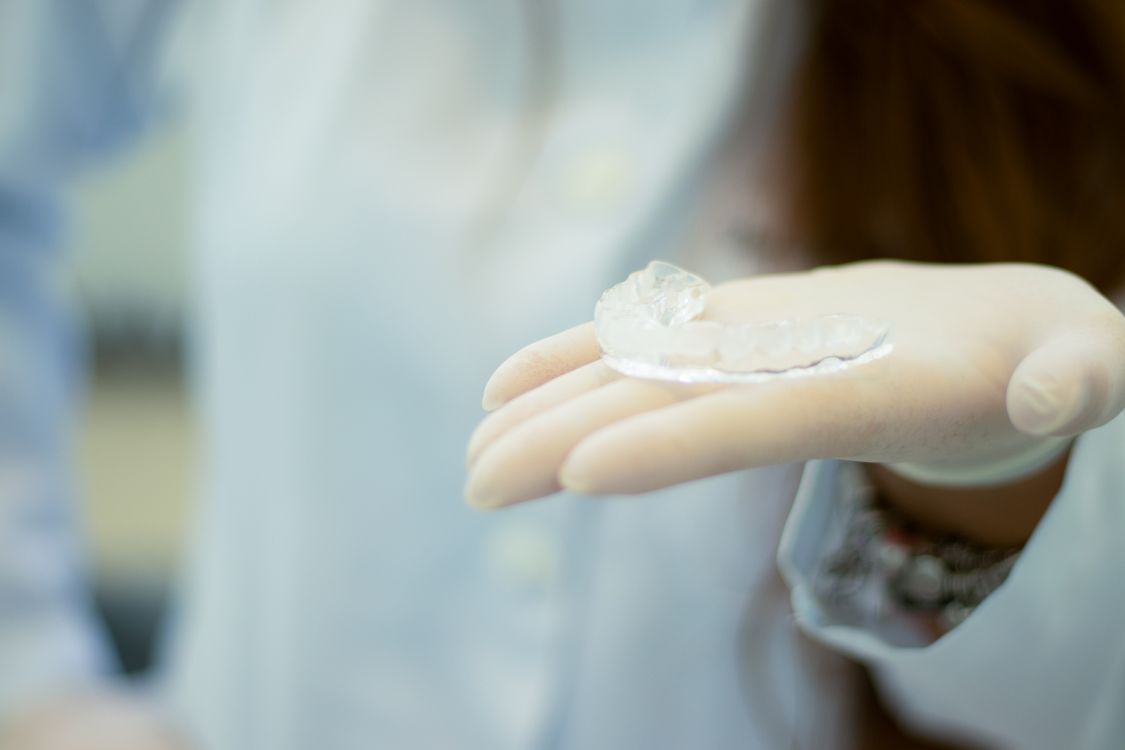
Labor Day: our favorite holiday to rest is a fitting excuse to talk about what happens to your mouth while you sleep. Teeth may seem inactive at night, but saliva flow decreases, some people clench or grind, mouth breathing can worsen dryness, and bedtime routines influence how long plaque and food residue remain on the teeth.
This article is not another TMD treatment guide or another list of bruxism symptoms. Instead, it looks at the overnight oral environment: what sleep changes in the mouth, what “resting your jaw” really means, and which morning symptoms deserve attention.
Your Mouth Produces Less Saliva While You Sleep
Saliva helps rinse food debris, buffer acids, lubricate tissues, and support enamel remineralization. During sleep, salivary flow naturally decreases.
That is one reason the nighttime brushing routine matters. Going to sleep with plaque, food residue, or a sweet drink on the teeth creates a long period with less natural cleansing.
The Bedtime Brush Has an Overnight Job
Brush with fluoride toothpaste before sleep and clean between the teeth daily. The goal is not to sterilize the mouth; it is to reduce plaque and leave fluoride available during a lower-saliva period.
After the final brushing, plain water is the simplest drink if you become thirsty.
Bedtime Snacking Can Extend Tooth Exposure
A late snack is not automatically harmful, but falling asleep immediately after cookies, crackers, sweet cereal, soda, juice, or another carbohydrate-containing food leaves more material available to plaque bacteria overnight.
If you eat after your normal brushing time, clean the teeth again before going to sleep.
Mouth Breathing Can Make the Mouth Feel Much Drier
People who sleep with the mouth open because of nasal congestion, habit, or another airway issue may wake with a dry tongue, sticky mouth, sore throat, or unpleasant taste.
Persistent dryness matters because saliva is protective. If dry mouth happens frequently, discuss it with your dentist and medical clinician rather than simply keeping water beside the bed forever.
Snoring and Dry Mouth Are Not the Same Diagnosis
Snoring may occur with mouth breathing, but dry mouth alone cannot diagnose sleep apnea or another sleep disorder.
Loud habitual snoring, witnessed pauses in breathing, gasping, severe daytime sleepiness, morning headaches, or other concerning sleep symptoms should be discussed with a medical clinician who can evaluate sleep and airway health appropriately.
Some People Grind Their Teeth During Sleep
Sleep bruxism involves jaw-muscle activity during sleep and may include clenching or grinding. Many people do not know they do it until a partner hears grinding or a dentist notices wear.
Morning jaw fatigue, tooth soreness, flattened tooth edges, fractured restorations, or repeated chipping can be clues, but none of those findings proves bruxism by itself.
Our Teeth Grinding article explains the difference between awake and sleep bruxism in more detail.
You Cannot Simply “Decide” Not to Grind While Asleep
Awake clenching can sometimes improve with habit awareness because you are conscious. Sleep bruxism is different: telling yourself to relax before bed does not reliably switch off involuntary jaw-muscle activity during sleep.
Treatment focuses on protecting teeth when necessary, addressing contributing factors, and avoiding irreversible procedures that promise to permanently “fix the bite” without a clear indication.
A Night Guard Protects Teeth; It Does Not Cure Every Cause
A properly designed appliance can separate and protect tooth surfaces from damaging contact in selected patients. It may reduce wear or protect restorations.
It is not a universal cure for bruxism, headaches, sleep disorders, or TMD. The appliance design and indication should match the patient’s teeth, bite, symptoms, and dental work.
Jaw Muscles Can Feel Tired in the Morning
Muscles that have been active overnight may feel fatigued, tight, or tender on waking. That can resemble the soreness you feel after overusing another muscle group.
Repeated morning jaw pain deserves evaluation because bruxism, TMD, sleep quality, stress, chewing habits, and other factors can overlap.
Resting Your Jaw During the Day Can Still Help
Even when nighttime grinding is involuntary, daytime habits are modifiable. Many people keep the teeth touching while concentrating, driving, or working.
At rest, the jaw can usually remain relaxed with the lips together and teeth slightly apart rather than continuously clenched.
Chewing Gum All Day Is Not “Jaw Exercise” Everyone Needs
Frequent gum chewing can increase muscle workload. For someone with jaw soreness, deliberately chewing for hours to “strengthen” the jaw can make symptoms worse.
Sugar-free gum can have benefits for saliva in some people, but the amount and frequency should fit the individual.
Sleep Position Does Not Explain Every Jaw Problem
Patients sometimes blame one side of the face being on the pillow for every morning symptom. Position can affect comfort, but jaw pain has many possible causes.
Do not build a complicated pillow strategy before the teeth, muscles, joints, and sleep history have been evaluated.
Alcohol and Some Substances Can Change Sleep Quality
Alcohol can fragment sleep and contribute to dry mouth. Nicotine and stimulants can also affect sleep patterns and oral tissues.
From a dental perspective, late-night alcohol is often combined with dehydration, acidic mixers, sugar, and skipped brushing—several small risks occurring at once.
CPAP and Other Sleep-Apnea Treatment Can Affect Mouth Comfort
People using positive-airway-pressure therapy may experience dryness or air leakage around the mouth depending on mask fit, humidification, medications, and individual anatomy.
Do not stop prescribed sleep-apnea treatment because of oral dryness. Discuss mask fit, humidification, and dry-mouth strategies with the sleep team and dentist.
What About an Oral Appliance for Sleep Apnea?
Mandibular advancement devices are medical sleep-apnea treatments for selected patients and are different from simple night guards used to protect teeth from bruxism.
They require diagnosis and ongoing management because they can affect the bite, teeth, jaw joints, and comfort over time.
Morning Tooth Sensitivity Can Have Several Causes
Grinding-related wear is one possibility, but sensitivity can also come from gum recession, cavities, cracks, erosion, whitening, or recent dental work.
If morning sensitivity is persistent, localized, or worsening, a dental exam can identify the cause rather than assuming you grind.
When Jaw Symptoms Fit a TMD Evaluation
Jaw pain that persists, significant limitation in opening, painful clicking, locking, bite changes, or symptoms that interfere with eating deserve evaluation.
Markham’s TMJ/TMD treatment page explains how jaw symptoms are assessed and why conservative care is usually considered before irreversible bite changes.
A Better Nighttime Oral Routine
- Finish eating and caloric drinks before the final brushing when practical.
- Brush with fluoride toothpaste for about two minutes.
- Clean between teeth daily.
- Use plain water if thirsty after brushing.
- Wear prescribed retainers, night guards, or sleep appliances as directed.
- Keep appliances clean and stored safely during the day.
- Notice repeated morning dryness, jaw soreness, tooth sensitivity, or headaches.
Rest Should Feel Restorative
The mouth changes overnight because saliva decreases and the jaw may remain active in ways you cannot consciously control. Most of that is normal physiology. Problems arise when dryness becomes persistent, clenching damages teeth, or morning symptoms become a repeated pattern.
A good bedtime routine protects the teeth during a lower-saliva period. If the jaw or mouth still wakes up feeling worse than when you went to bed, that pattern is useful information to bring to your dentist or medical clinician.
People Ask
 Dr. Roy Burkhalter, DDS



.svg)