



.svg)
.svg)
Contents
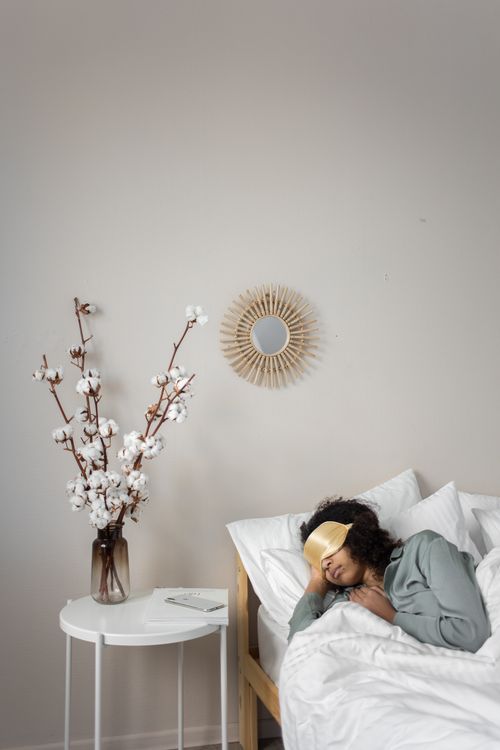
Teeth grinding, or bruxism, can happen while you are awake or while you sleep, and those two patterns are not exactly the same. Awake bruxism often involves clenching or holding the jaw tense during concentration or stress. Sleep bruxism happens without conscious control and may only become obvious when a partner hears grinding or a dentist sees tooth wear.
Many cases are mild and do not need aggressive treatment. The reason to evaluate bruxism is to determine whether it is damaging teeth, overworking jaw muscles, affecting restorations, or occurring alongside another issue that deserves attention.
Awake Bruxism and Sleep Bruxism Are Different Behaviors
Awake bruxism commonly involves sustained clenching or jaw bracing. People may notice it while driving, working at a computer, exercising, concentrating, or feeling tense.
Sleep bruxism occurs during sleep and is not something a person can simply decide to stop. Because it happens outside conscious awareness, management usually focuses on protecting teeth, identifying contributing factors, and evaluating sleep concerns when indicated.
What Does Grinding Do to Teeth?
Repeated heavy contact can flatten biting surfaces, chip enamel, crack teeth, loosen or fracture restorations, and expose deeper tooth layers that are more sensitive.
Wear is not always caused by bruxism alone. Acid erosion, age, tooth position, and normal function can also change tooth shape. A dental exam helps distinguish active damage from old, stable wear.
Morning Jaw Fatigue Can Be a Clue
Patients with sleep bruxism may wake with tight or tired chewing muscles, facial soreness, or a dull temple headache. Others have no muscle symptoms at all.
Jaw soreness does not prove bruxism, because temporomandibular disorders, arthritis, dental infection, sinus problems, and other conditions can produce overlapping symptoms.
Daytime Clenching Is Often Easier to Modify
Awake clenching can become a habit that happens below conscious awareness. Simple reminders can help: lips together, teeth apart, jaw relaxed.
Phone alerts, sticky notes, workstation cues, breathing exercises, and breaks during concentrated tasks can increase awareness. The goal is not to hold the jaw in an artificial position; it is to stop unnecessary tooth-to-tooth contact when you are not chewing or swallowing.
Stress Can Contribute, but It Is Not the Only Factor
Stress, mood, genetics, caffeine, alcohol, smoking, and some medications have been associated with bruxism. Sleep-related grinding may also occur alongside sleep disorders.
That means “just relax” is not a complete treatment plan. A patient who snores loudly, has witnessed pauses in breathing, wakes unrefreshed, or has excessive daytime sleepiness should mention those symptoms to a medical clinician.
A Night Guard Protects Teeth; It Does Not Necessarily Stop Grinding
An intraoral appliance creates a barrier between upper and lower teeth and can reduce direct tooth damage. It may also make the jaw feel better for some people, but the purpose should be understood clearly.
A guard does not guarantee that the nervous system stops generating sleep bruxism. It is primarily a protective tool.
Markham’s TMJ/TMD treatment page explains how jaw symptoms and tooth wear are evaluated before an appliance is recommended.
Store-Bought Guards Can Be a Short-Term Option
Over-the-counter guards can provide a physical barrier for some patients, but fit and material vary. A bulky or unstable appliance may be difficult to sleep in, and a poorly fitting device should not be used if it increases pain or changes how the bite feels after removal.
Custom appliances are designed around a specific bite and can be adjusted by the dentist. That does not make every patient with mild grinding an automatic candidate for one.
Sports Mouthguards and Night Guards Are Not Interchangeable
A sports mouthguard is designed to absorb impact. A night guard is designed for repeated tooth contact during sleep. Their thickness, fit, and function differ.
Our Mouthguard Q&A explains why an athletic guard should not simply be repurposed as a long-term bruxism appliance.
Grinding Can Break Dental Work
Large fillings, crowns, veneers, bridges, and implant restorations still experience bite forces. Bruxism can chip ceramic, fracture tooth structure around restorations, or accelerate wear.
When a crown or filling repeatedly breaks, the dentist should evaluate the material, remaining tooth structure, bite, and possible grinding rather than replacing the restoration over and over without looking for the force behind the failure.
Children Can Grind Their Teeth Too
Bruxism occurs in children as well as adults. Many childhood cases are mild and may change as the teeth and jaws develop.
Parents should mention loud grinding, tooth wear, jaw pain, headaches, or sleep concerns at dental visits. Treatment is individualized rather than automatically placing every child in a night guard.
When Should Teeth Grinding Be Evaluated?
- Teeth are chipping, cracking, flattening, or becoming sensitive.
- Fillings or crowns repeatedly fracture.
- Jaw muscles are regularly sore or tired.
- Headaches occur with jaw tension.
- The jaw locks or opening becomes limited.
- A bed partner hears frequent loud grinding.
- There are symptoms of a possible sleep disorder.
When the Problem May Need More Than Dentistry
A dentist can identify tooth wear, protect teeth, and evaluate jaw function. If the history suggests sleep apnea, medication effects, significant stress-related symptoms, or another medical issue, coordination with a physician, sleep specialist, behavioral-health professional, or physical therapist may be appropriate.
Protect the Teeth Without Promising a Cure
Bruxism is not one simple habit with one universal solution. Awake clenching may respond well to awareness and behavior change. Sleep bruxism may require protection and investigation of contributing factors rather than an attempt to consciously suppress something that happens during sleep.
The practical goal is to prevent avoidable damage, reduce symptoms where possible, and make sure tooth or jaw pain is not being blamed on grinding when another diagnosis is responsible.
People Ask
 Dr. Roy Burkhalter, DDS


.svg)