



.svg)
.svg)
Contents
Dental tips for your summer vacation should begin before the suitcase closes. A cracked filling, loose crown, wisdom-tooth flare, forgotten retainer, or severe toothache is much easier to handle when you are near your regular dentist than when you are several states away.
This guide focuses on travel preparedness: what to check before leaving, what to pack, how to handle common dental problems on the road, and when to find urgent care instead of waiting until you get home.
Schedule Known Problems Before You Travel
If a tooth is already sensitive, a crown is loose, a filling keeps catching food, or a wisdom tooth has been swelling intermittently, address it before departure.
Travel does not cause the underlying problem, but flights, unfamiliar food, changed routines, and limited access to care can make the consequences harder to manage.
Do Not Schedule Elective Major Treatment the Day Before a Big Trip
Sometimes urgent treatment cannot wait, but elective surgery, complex extractions, or procedures with a meaningful recovery period are easier to manage when you have time for follow-up before leaving.
If travel is already booked, tell the dentist the dates so treatment timing can be planned appropriately.
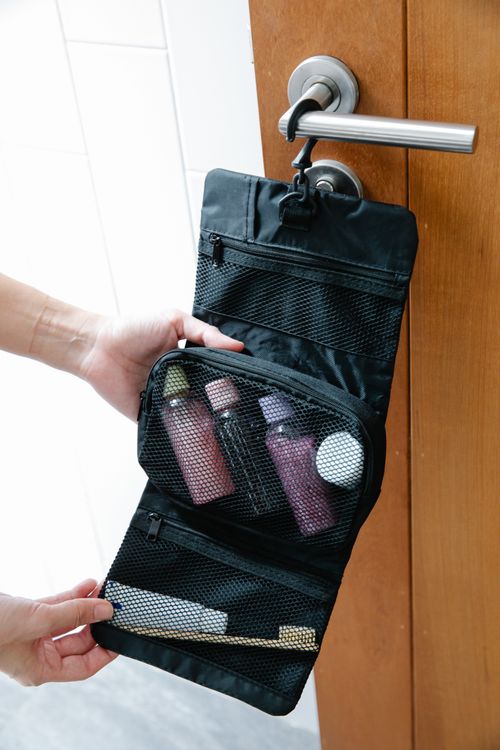
Pack a Small Dental Kit in Your Carry-On
- Soft-bristled toothbrush.
- Fluoride toothpaste.
- Floss or your normal interdental cleaner.
- Retainer, aligner, night guard, or mouthguard in its case.
- Orthodontic wax if you wear braces.
- Any dentist-recommended products you use regularly.
- A small container that could hold a broken restoration or tooth fragment.
For flights, keeping essentials in a carry-on prevents lost luggage from becoming a lost dental routine.
Keep Appliances in Their Cases
Retainers and aligners are commonly lost when they are wrapped in napkins during meals. A rigid case is cheaper than replacement orthodontic treatment.
Do not leave thermoplastic appliances in a hot car or direct sun, where heat can distort them.
Do Not Change Your Entire Diet Just Because You Are Traveling
Vacation can include desserts, restaurant meals, and new foods without becoming a dental crisis. The more important risk is continuous grazing and sweet-drink sipping from morning until night.
Enjoy treats at defined times and return to water between meals when practical.
Air Travel Does Not Usually Cause a Healthy Tooth to Hurt
Changes in pressure can occasionally make an existing dental problem more noticeable, especially if there is inflammation, trapped gas, sinus pressure, or recent treatment.
If a tooth is already aching before a flight, do not assume it will be fine at altitude. Get it evaluated when possible.
What if a Crown Comes Off on Vacation?
Save the crown and keep it clean. Avoid chewing on the exposed tooth because it may be sensitive or structurally vulnerable.
Do not permanently glue it back with household adhesive. A local dentist can determine whether the crown can be recemented or whether the tooth underneath needs treatment.
What if a Filling Breaks?
A broken filling can leave a sharp edge, food trap, or sensitive tooth surface. Rinse the area, keep it clean, avoid hard chewing on that side, and arrange dental evaluation.
Temporary dental filling materials sold for short-term emergency use may help in selected situations, but they are not a substitute for professional diagnosis.
What if a Tooth Is Knocked Out?
For a permanent tooth, handle it by the crown and avoid touching or scrubbing the root. Rinse gently if dirty. If it can be safely reinserted, that may be appropriate; otherwise keep it moist in milk or a tooth-preservation solution.
Seek immediate dental care. Do not wait until the end of the trip.
A knocked-out baby tooth should not be reinserted.
What if You Develop Facial Swelling?
Increasing facial swelling, fever with dental pain, drainage, or significant difficulty opening the mouth can indicate infection and deserves prompt care.
Difficulty breathing or swallowing, rapidly spreading neck swelling, severe trauma, or other potentially life-threatening symptoms require emergency medical evaluation.
Our emergency dentistry page explains these red flags in more detail.
Know How to Find Care Away From Home
If you are traveling domestically, your regular dental office may be able to advise you by phone and help identify whether the issue can wait.
For international travel, research how emergency dental care works at your destination before departure if you have ongoing dental concerns or complex restorations.
Travel Insurance and Dental Coverage Are Different
Dental insurance may have network, reimbursement, or geographic rules. Travel insurance policies may or may not include emergency dental benefits.
If coverage matters, check the actual policy before the trip rather than assuming emergency dental treatment is included.
Bring Enough Oral-Care Supplies for the Whole Trip
A travel-size toothpaste tube that runs out halfway through a two-week trip is avoidable. Pack enough of the products you use regularly, especially prescription toothpaste, specialty interdental tools, or appliance cleaners that may be difficult to find at your destination.
Do Not Share Toothbrushes
If someone forgets a toothbrush, buy another one. Sharing transfers saliva and microorganisms and is unnecessary.
Protect Teeth During Vacation Sports
Surfing, wakeboarding, biking, hiking, basketball, and other activities can involve falls or facial impact. Use sport-appropriate protective equipment and a mouthguard when indicated.
Our summer sports dental-safety checklist covers mouthguards and trauma planning in more detail.
Do Not Store a Toothbrush Wet in a Sealed Bag for the Entire Trip
Rinse it after use and allow it to air dry when possible. A ventilated travel cover can protect the bristles without trapping constant moisture.
What About Whitening Before Vacation?
If you want to whiten for photos or an event, start early enough to manage possible sensitivity and to make sure discoloration is appropriate for bleaching.
A last-minute aggressive whitening session immediately before travel can create sensitivity at an inconvenient time.
Book a Pre-Travel Exam if You Have Been Overdue
If you have not had a dental visit in a long time and a major trip is coming, a dental exam can identify problems that are currently quiet.
That does not mean every small issue must be treated before departure. It gives you information and allows the dentist to prioritize what should be addressed first.
Your Vacation Dental Checklist
- Resolve known painful or unstable problems before leaving.
- Pack brush, fluoride toothpaste, interdental tools, and appliances.
- Keep retainers and aligners in cases.
- Use water between meals instead of constant sweet-drink sipping.
- Know what to do with a lost crown, broken filling, or knocked-out tooth.
- Save your dentist’s phone number.
- Know where urgent dental and medical care are available at your destination.
A Prepared Traveler Has More Options
The goal is not to worry about your teeth on vacation. It is to do the preparation once so you can stop thinking about them.
Address unstable problems before departure, pack the essentials, and know which symptoms should not wait. Most trips will never need the emergency plan—but having one keeps a dental surprise from controlling the rest of the vacation.
People Ask
 Dr. Roy Burkhalter, DDS



.svg)