


.svg)
.svg)
Contents
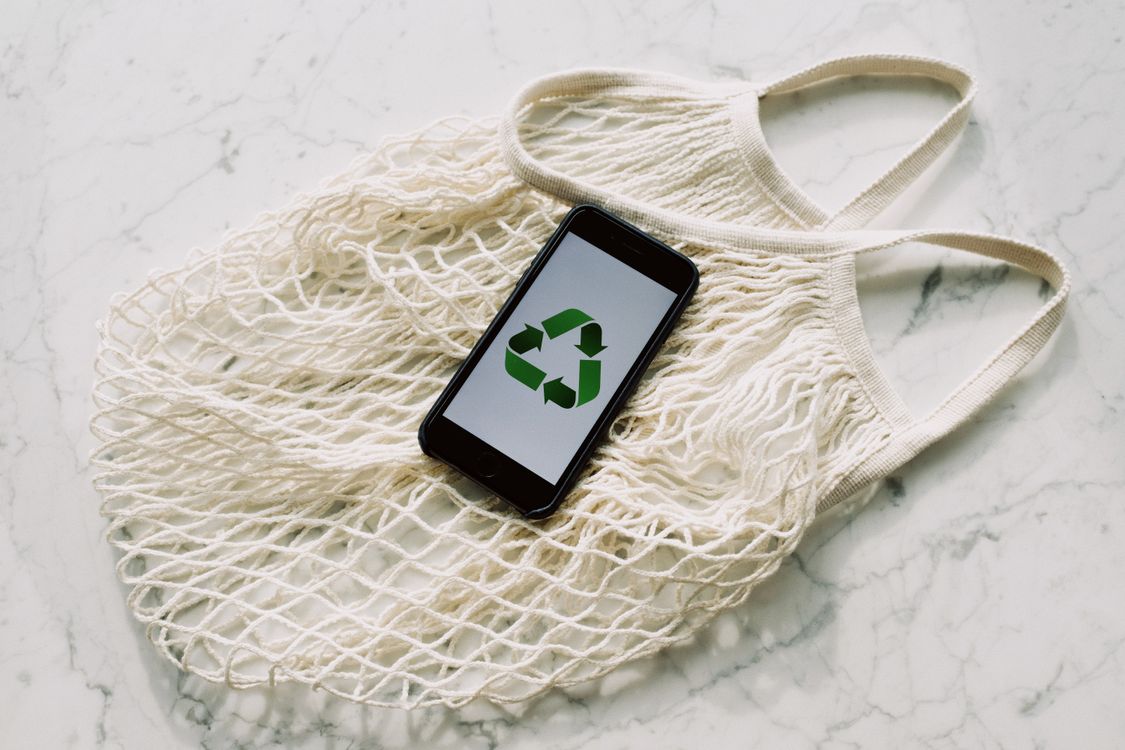
Earth Day is a good reminder that a healthy dental routine can also be a lower-waste routine. The biggest opportunities are not complicated: use the products you already own completely, avoid replacing devices before they are worn out, turn off the tap while brushing, choose durable tools when they fit your needs, and keep preventive care on schedule so small problems are treated before they require more materials and procedures.
This is not a claim that one toothbrush choice will solve an environmental problem. It is a practical guide to reducing unnecessary waste without compromising oral health.
Start With the Most Important Rule: Do Not Sacrifice Effective Cleaning
A sustainable product is not useful if it makes you brush less effectively or stop using fluoride when you need it. Oral disease itself requires resources to treat.
Choose products that allow you to brush twice daily with fluoride toothpaste and clean between teeth every day. Environmental considerations come after basic effectiveness and safety.
Turn Off the Tap While You Brush
Running water for two full minutes twice a day is unnecessary. Wet the brush if you prefer, turn off the faucet while brushing, and use water again when you are finished.
This is one of the easiest changes because it requires no purchase and does not change the quality of plaque removal.
Use the Toothbrush for Its Full Service Life
Replacing a toothbrush every few weeks because a new color is available creates waste without improving oral health. The ADA generally recommends replacing a toothbrush about every three to four months, or sooner if the bristles become frayed.
If your bristles splay after only a few weeks, excessive brushing pressure may be the real issue.
Replace the Head, Not the Whole Electric Toothbrush
One advantage of many powered toothbrushes is that the motorized handle can last for years while only the brush head is replaced.
Keep the device until it no longer works well rather than upgrading simply because a new model adds an app, display, or minor feature you do not need.
Our Evolution of the Toothbrush article explains which modern features actually affect brushing behavior.
Manual Brushes Can Be Simple and Effective
A basic soft-bristled manual brush remains a strong choice when you can clean thoroughly with it. You do not need electronics to have an effective home-care routine.
Some patients benefit from powered brushes because of limited dexterity, braces, pressure control, or difficulty brushing long enough. The lowest-waste option is not automatically the best option for every person.
Be Careful With “Natural” Products That Remove Fluoride
Packaging terms such as natural, zero-waste, charcoal, herbal, or plastic-free do not tell you whether a toothpaste provides cavity protection.
For most people, fluoride toothpaste remains a core preventive tool. If you are considering a non-fluoridated toothpaste, understand what protection you are giving up and discuss your cavity risk with a dentist.
Choose Refillable or Concentrated Products When They Truly Work for You
Some oral-care products use refill systems, concentrated tablets, minimal packaging, or recyclable components. Those options can reduce packaging if the product is effective, acceptable to you, and used consistently.
Do not buy several “eco” alternatives that end up unused. Using one appropriate product completely is usually better than creating a drawer full of experiments.
Use the Right Amount of Toothpaste
More toothpaste does not create proportionally better cleaning. Adults generally do not need to cover the entire brush head with a thick ribbon.
Using an appropriate amount reduces waste and makes a tube last longer without reducing the mechanical work of brushing.
Interdental Cleaning Also Has Options
String floss, refillable floss holders, interdental brushes, water flossers, and other devices vary in material use and durability. The right tool depends on spacing, dental work, dexterity, and gum health.
Do not abandon interdental cleaning in pursuit of lower waste. Choose the tool that you will actually use correctly.
Our flossing guide explains which tools work for different situations.
Do Not Flush Floss or Oral-Care Plastics
Used floss, floss picks, toothbrush heads, packaging, and similar items belong in the appropriate household waste or recycling stream—not in the toilet or sink.
Local recycling programs vary, and many mixed-material oral-care products are not accepted in standard curbside recycling. Check local guidance rather than assuming a recycling symbol guarantees acceptance.
Keep Dental Appointments to Avoid Bigger Problems
Preventive care uses resources too, but untreated disease often requires more appointments, materials, imaging, anesthesia, and restorative procedures.
A routine dental exam can identify problems while treatment is still simpler.
Repair When Appropriate Instead of Automatically Replacing
Some dental restorations can be repaired when only a small portion has chipped or worn. Others need complete replacement because the underlying tooth, margin, or structure has failed.
The conservative choice is based on diagnosis. Preserving sound tooth structure often aligns with using fewer materials, but repair should not be chosen when it leaves active disease behind.
Do Not Replace Healthy Fillings Just Because They Are Old
A restoration should be replaced because it is failing, fractured, decayed around the margin, causing a problem, or no longer clinically acceptable—not because a certain number of years has passed.
Every replacement removes additional tooth structure. Monitoring a stable restoration can be both biologically conservative and less resource-intensive.
Bring a Reusable Water Bottle
Water is the best routine drink between meals from a dental perspective, and carrying a reusable bottle makes it easier to choose water instead of repeatedly buying bottled sweet drinks.
Clean the bottle regularly and avoid turning it into an all-day container for sugary or acidic beverages.
Be Skeptical of Disposable Dental Gadgets
Single-use whitening lights, novelty scrapers, disposable polishing devices, and social-media dental gadgets often create waste without offering meaningful benefit.
If a product claims to replace brushing, professional diagnosis, or evidence-based treatment, the environmental question is secondary to whether the product works at all.
What About Bamboo Toothbrushes?
Bamboo-handled brushes can reduce some plastic in the handle, but the bristles and disposal method vary by product. They still need to be soft enough, comfortable, and effective.
If a bamboo brush makes it harder to reach back teeth or causes you to brush less thoroughly, it is not the right tool simply because the handle is plant-based.
What About Toothpaste Tablets?
Formulations differ. If you choose tablets, check whether they contain fluoride at an appropriate concentration and whether you can use them consistently.
Packaging reduction is useful only when the product still provides the preventive benefit you need.
An Earth Day Oral-Care Checklist
- Turn off the tap while brushing.
- Use toothbrushes and powered handles for their appropriate service life.
- Replace only worn brush heads instead of entire devices when possible.
- Use fluoride toothpaste unless a clinician recommends otherwise.
- Choose an interdental tool you will actually use.
- Use products completely before buying replacements.
- Carry water in a reusable bottle.
- Follow local disposal and recycling rules.
- Maintain preventive dental care so disease is caught early.
Lower Waste Works Best When the Routine Still Works
Sustainable oral care does not need to be performative or complicated. The highest-value changes are often boring: use less water, buy fewer unnecessary products, keep durable devices longer, and prevent disease.
Markham’s general dentistry approach centers on prevention for the same reason: preserving healthy teeth is usually better than repeatedly rebuilding them.
People Ask
 Dr. Roy Burkhalter, DDS



.svg)