


.svg)
.svg)
Contents
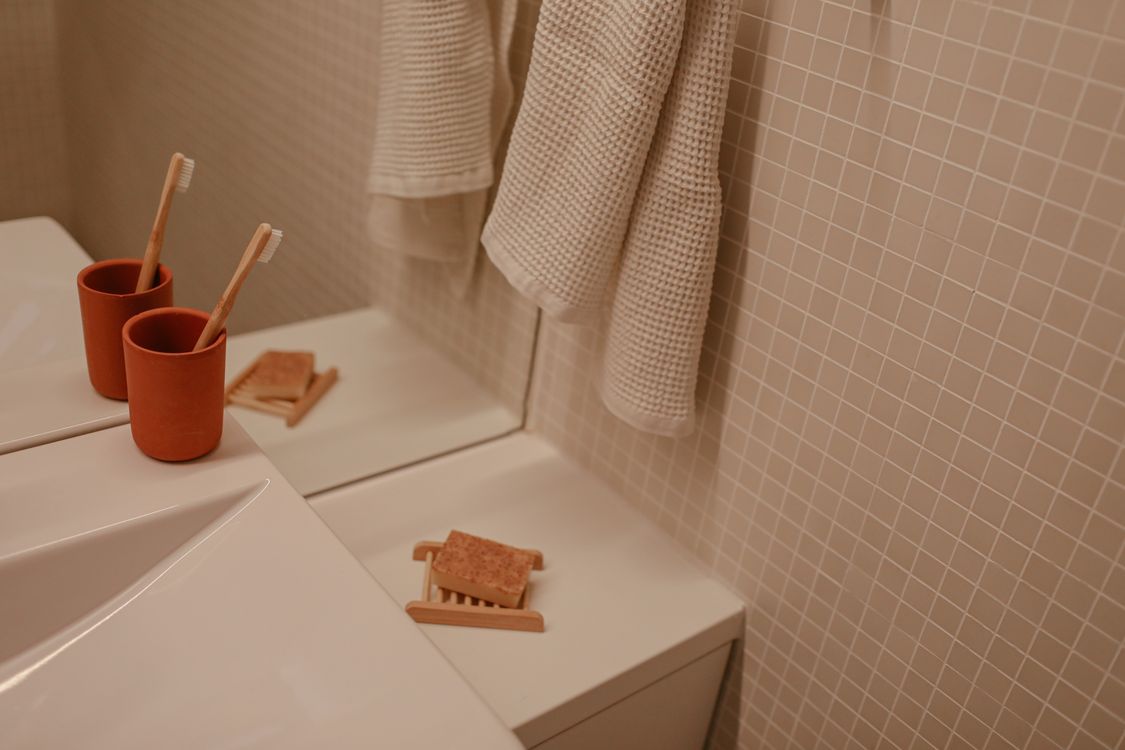
The evolution of the toothbrush is a story of one basic idea becoming easier, safer, and more consistent: mechanically disrupting plaque from tooth surfaces every day. From chewing sticks and early bristle brushes to nylon filaments, compact electric heads, pressure sensors, and connected timers, toothbrush technology has changed dramatically. The biology it is trying to manage has not.
The modern lesson is not that the newest brush automatically cleans best. It is that a brush should be soft enough for daily use, shaped to reach your mouth, comfortable enough that you will use it consistently, and paired with fluoride toothpaste and interdental cleaning.
Before the Modern Toothbrush: Chewing Sticks and Cleaning Tools
Long before a plastic handle and rows of nylon bristles, people used fibrous twigs, cloth, powders, and other tools to clean teeth. Chewing sticks were softened at one end so the fibers could be rubbed against tooth surfaces.
These early methods reflect the same basic principle used today: plaque has to be physically disturbed rather than simply rinsed away.
Early Bristle Brushes Made Cleaning More Targeted
Historical bristle brushes used natural animal hairs attached to bone, bamboo, wood, or other handles. They were recognizable ancestors of the modern manual toothbrush.
Natural bristles, however, were inconsistent in texture and difficult to keep hygienic compared with modern synthetic filaments.
Nylon Changed the Toothbrush
The introduction of synthetic nylon bristles made it possible to manufacture toothbrushes with more consistent diameter, shape, stiffness, and durability.
Modern brushes can now be designed with rounded filament ends, compact heads, angled tufts, tapered bristles, and specialized layouts without relying on natural hair.
Why Soft Bristles Became the Everyday Standard
Cleaning effectiveness does not require scrubbing as hard as possible. Excessive force can irritate gum tissue and contribute to toothbrush abrasion in susceptible areas.
The American Dental Association recommends a soft-bristled toothbrush that fits the mouth and can reach all areas comfortably.
The Electric Toothbrush Added Motion, Not a New Goal
Powered brushes automate some of the movement a person would otherwise make manually. Designs may oscillate, rotate, vibrate, or use sonic movement.
For some users, a powered brush makes good technique easier, especially when hand dexterity, orthodontic appliances, or difficulty controlling pressure make manual brushing challenging.
For others, a manual brush works perfectly well. The best brush is the one used thoroughly and consistently.
Timers Solved a Behavior Problem
Two minutes can feel much longer when you are brushing than when you are scrolling on a phone. Built-in timers help users spend enough time reaching every section of the mouth instead of stopping after a quick pass across the front teeth.
Some brushes divide the time into quadrants, prompting the user to move systematically around the mouth.
Pressure Sensors Address the “Harder Is Better” Myth
Modern powered brushes may warn when excessive pressure is applied. That feature can be useful for people who flatten their bristles quickly or habitually scrub.
Plaque removal depends on bristle contact, placement, and time, not simply force.
Smart Toothbrushes Can Track Habits, but They Cannot Replace Technique
Connected brushes can record duration, missed zones, and routine consistency. For someone motivated by feedback, that data can improve behavior.
A phone app is not required for oral health. A basic soft brush used twice daily with good technique can still do the essential job.
Manual vs. Electric: Which Should You Choose?
Choose based on fit, dexterity, motivation, cost, and how well you can clean your mouth. A powered brush may be especially helpful if you:
- Have limited hand or wrist mobility.
- Wear braces or have complex dental work.
- Brush too aggressively and benefit from pressure feedback.
- Regularly stop before two minutes.
- Find the automated motion easier to control.
A manual brush remains an excellent option when you can reach every area and use it consistently.
Head Size Matters More Than Marketing
A large brush head can feel efficient but may be harder to maneuver behind the last molars or along the inside surfaces of the lower teeth. A smaller head often improves access.
Children need a brush sized for their mouth and hand rather than an adult brush simply because it is available in the bathroom.
When Should You Replace a Toothbrush?
The ADA recommends replacing a toothbrush about every three to four months, or sooner when bristles become visibly frayed.
Frayed filaments spread away from the tooth surface and make controlled cleaning more difficult. If a brush looks worn after only a few weeks, that can also be a sign that too much pressure is being used.
Does a Toothbrush Need to Be Sterilized?
For routine home use, elaborate sterilization systems are generally unnecessary. Rinse the brush after use, remove visible toothpaste and debris, and allow it to air dry upright when possible.
Avoid routinely sharing toothbrushes because that can exchange saliva and microorganisms.
What Toothbrush Technology Still Cannot Do
Even an advanced brush cannot fully clean tight contacts between neighboring teeth. Daily interdental cleaning remains important.
Our Flossing Fact or Flossing Fiction? guide explains how floss, interdental brushes, and water flossers reach areas a toothbrush cannot.
Fluoride Toothpaste Is Still Part of the System
The brush provides mechanical cleaning. Fluoride toothpaste adds chemical protection by helping enamel resist and recover from acid-driven mineral loss.
Patients at elevated cavity risk may also benefit from professional fluoride treatments based on their individual history.
A Better Brush Does Not Replace Dental Visits
Home care can control plaque, but it cannot remove hardened tartar or diagnose cavities, cracks, gum disease, failing restorations, and other conditions.
Routine professional teeth cleanings and exams complement the work your toothbrush does every day.
The Future Toothbrush Will Still Need a Human Habit
Toothbrushes will probably continue adding sensors, automation, personalization, and new materials. None of those features changes the central requirement: place the bristles where plaque collects and do it consistently.
The most important toothbrush upgrade is often not buying a more expensive device. It is choosing a brush that fits, using gentle pressure, brushing for a full two minutes twice daily, replacing worn bristles, and cleaning the surfaces the brush cannot reach with an interdental tool.
People Ask
 Dr. Roy Burkhalter, DDS

.svg)