



.svg)
.svg)
Contents
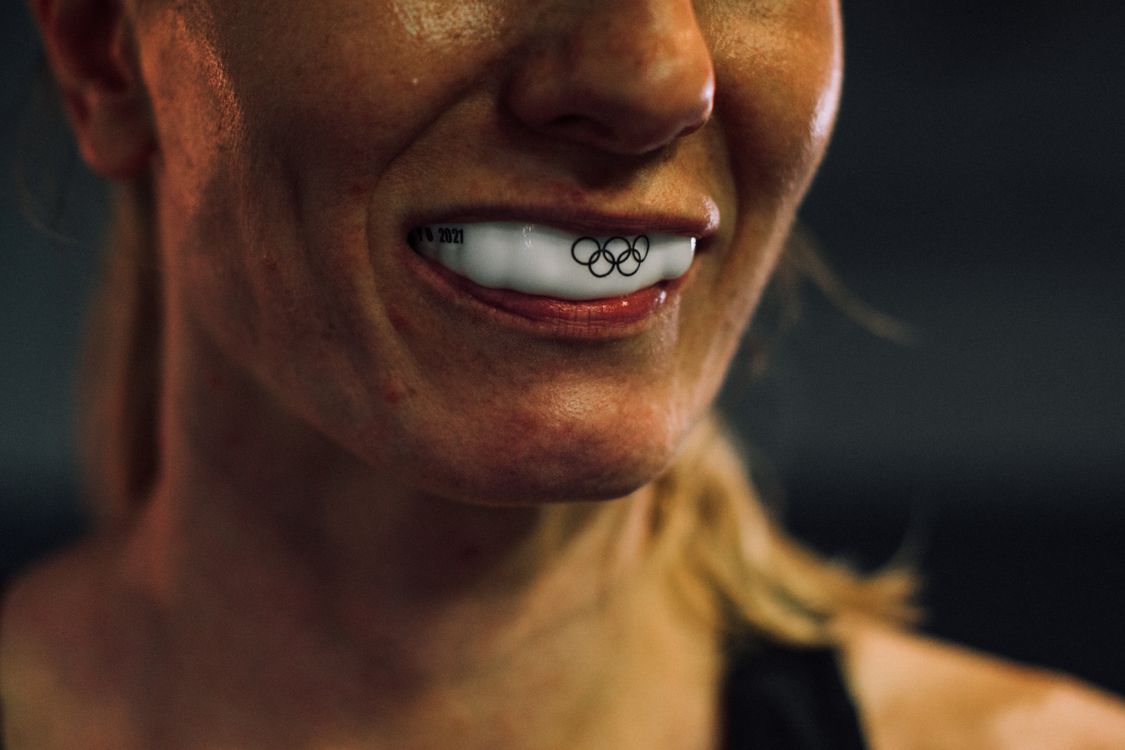
Tooth protection and winter sports requires a slightly different plan than summer athletics. Skiing, snowboarding, hockey, sledding, skating, and snowmobiling combine speed, hard surfaces, cold air, equipment, and falls. Teeth can fracture or be displaced, lips can split in dry weather, and cold sensitivity can make an existing dental problem suddenly obvious.
This article focuses on winter-specific dental risks. For a detailed comparison of mouthguard types, fit, braces, cleaning, and replacement, read our Mouthguard Q&A.
Falls Are the Biggest Dental Threat in Many Winter Sports
In hockey, direct collisions and pucks are obvious risks. In skiing and snowboarding, many facial injuries happen when the athlete falls onto packed snow, ice, equipment, or another person.
A mouthguard can help cushion the teeth and soft tissues during impact, while helmets and sport-specific face protection reduce other head and facial injuries. No single piece of equipment replaces the others.
Hockey Players Need More Than a Helmet
A helmet protects the skull, but teeth and lips can still be injured. Depending on the league and age group, a cage, shield, or mouthguard may also be required.
Even when a mouthguard is not mandatory, players with braces, front-tooth restorations, or a history of dental trauma have additional reasons to use one consistently.
Skiers and Snowboarders Can Benefit From Mouthguards Too
Mouthguards are less common on the slopes than on a football field, but high-speed falls can produce significant facial force. Athletes who ride terrain parks, race, or have a history of dental injury may want to consider a properly fitted guard.
The appliance must still allow easy breathing in cold air and should not trigger gagging or interfere with communication.
Check Fit Before the First Trip
A guard stored since last season may have warped, hardened, or become too small. This is especially important for growing teenagers or anyone who has had fillings, crowns, braces adjustments, or other dental work since the previous season.
Do not discover a bad fit in a parking lot at the mountain. Test the appliance during training or at home first.
Cold Air Can Expose Dental Sensitivity
Sharp sensitivity when breathing cold air can come from exposed roots, gum recession, enamel wear, cavities, cracks, or recent dental work. A brief response that disappears quickly may be manageable, but persistent or severe pain deserves evaluation.
If a tooth begins throbbing or remains painful after returning indoors, schedule a dental exam rather than assuming winter weather is the only cause.
Dry Winter Air Can Affect Lips and Mouth Comfort
Cold wind, indoor heating, and dehydration can dry the lips and mouth. Cracked lips are more likely to split during impact, and dry mouth can increase discomfort and cavity risk.
Use a protective lip balm, drink water regularly, and avoid relying on sugary sports drinks or hot sweetened beverages throughout the day.
Hot Cocoa and Energy Drinks Still Count as Sugar Exposure
Winter athletes often switch from cold sports drinks to sweet coffee, cocoa, cider, or energy drinks. Frequent sipping matters more than temperature. Repeated sugar exposure feeds cavity-causing bacteria for hours.
Enjoy sweet drinks with a meal or in a defined period rather than constantly between runs or periods. Water remains the best routine hydration choice.
What to Do if a Tooth Chips on the Mountain
Rinse the mouth gently with water, save any tooth fragment you can find, and use a cold compress outside the face if swelling occurs. Avoid chewing on the injured tooth.
A small chip may not be a same-minute emergency, but deeper fractures can expose sensitive tooth layers or the pulp. Call a dentist for guidance and arrange evaluation promptly.
What to Do if a Permanent Tooth Is Knocked Out
Handle the tooth by the crown, not the root. If it is dirty, rinse it briefly and gently without scrubbing. If safe and appropriate, the tooth can sometimes be placed back in the socket. Otherwise keep it moist in milk or a tooth-preservation solution.
Do not let it dry out in a tissue or pocket. Time matters, so contact a dentist immediately.
Know the Difference Between a Dental Emergency and a Head Injury
A broken tooth usually belongs with a dentist. Loss of consciousness, repeated vomiting, confusion, severe headache, neck pain, abnormal behavior, or a suspected jaw or facial fracture may require emergency medical evaluation first.
Our emergency dentistry page explains when dental injuries can be handled in the office and when the emergency room is appropriate.
Jaw Pain After a Fall Should Not Be Ignored
If the bite suddenly feels different, the jaw will not open or close normally, there is significant facial asymmetry, or numbness develops after impact, a fracture or joint injury may be possible.
Do not keep skiing, skating, or playing through significant jaw symptoms. Seek evaluation based on the severity and mechanism of injury.
Braces Create Extra Soft-Tissue Risk
An impact can press brackets and wires into the lips or cheeks. An orthodontic mouthguard creates extra space around the hardware and can reduce soft-tissue injury.
If a wire breaks or bracket comes loose during travel, orthodontic wax can temporarily protect soft tissue until professional care is available.
Do Not Store a Mouthguard in a Freezing Car All Season
Temperature extremes and rough storage can shorten the life of an appliance. Keep the guard clean, dry, and protected in a ventilated case rather than loose with wet gloves and equipment.
Inspect it periodically for cracks, thin areas, sharp edges, or changes in fit.
Build a Winter Dental Emergency Kit
- Sports mouthguard and case.
- Water.
- Clean gauze.
- Lip balm.
- Small container or tooth-preservation solution.
- Orthodontic wax if braces are present.
- Dental office contact information.
Traveling Far From Home Changes the Plan
If you are skiing or playing hockey several hours from your dentist, know the nearest urgent dental and medical facilities before the trip. A knocked-out tooth or spreading facial swelling is not a problem to manage only after driving home.
For non-life-threatening dental trauma, call your regular dentist as well. They can often help triage the situation and coordinate follow-up.
Winter Sports Should End With Sore Muscles, Not a Lost Tooth
The best winter dental plan is simple: use the protective equipment appropriate for the sport, make sure it still fits, keep hydration and sugar exposure reasonable, and know what to do if an impact occurs.
Most injuries cannot be predicted. Preparation gives you the best chance to protect a tooth when the unexpected happens.
People Ask
 Dr. Roy Burkhalter, DDS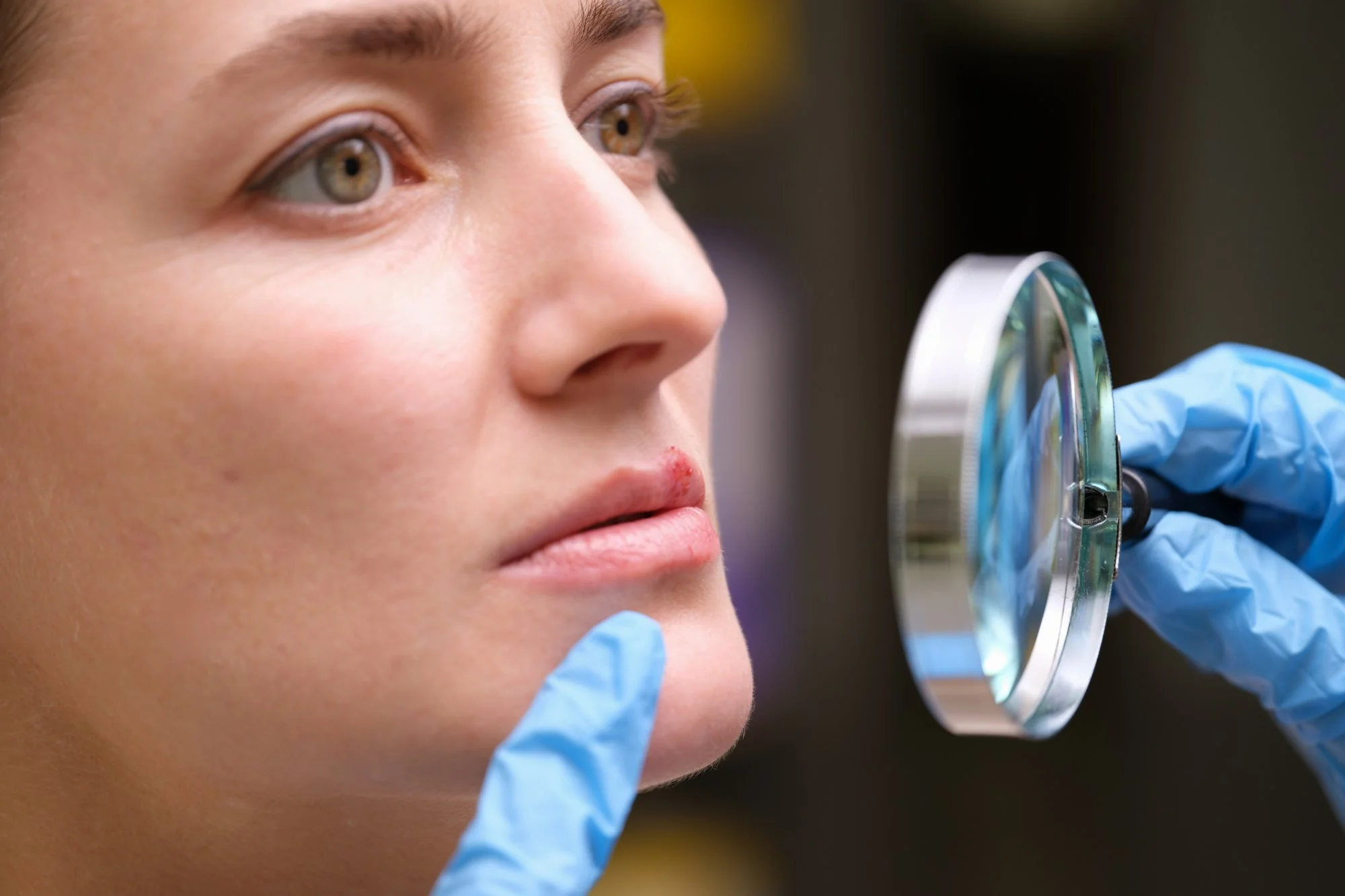


.svg)