



.svg)
.svg)
Contents
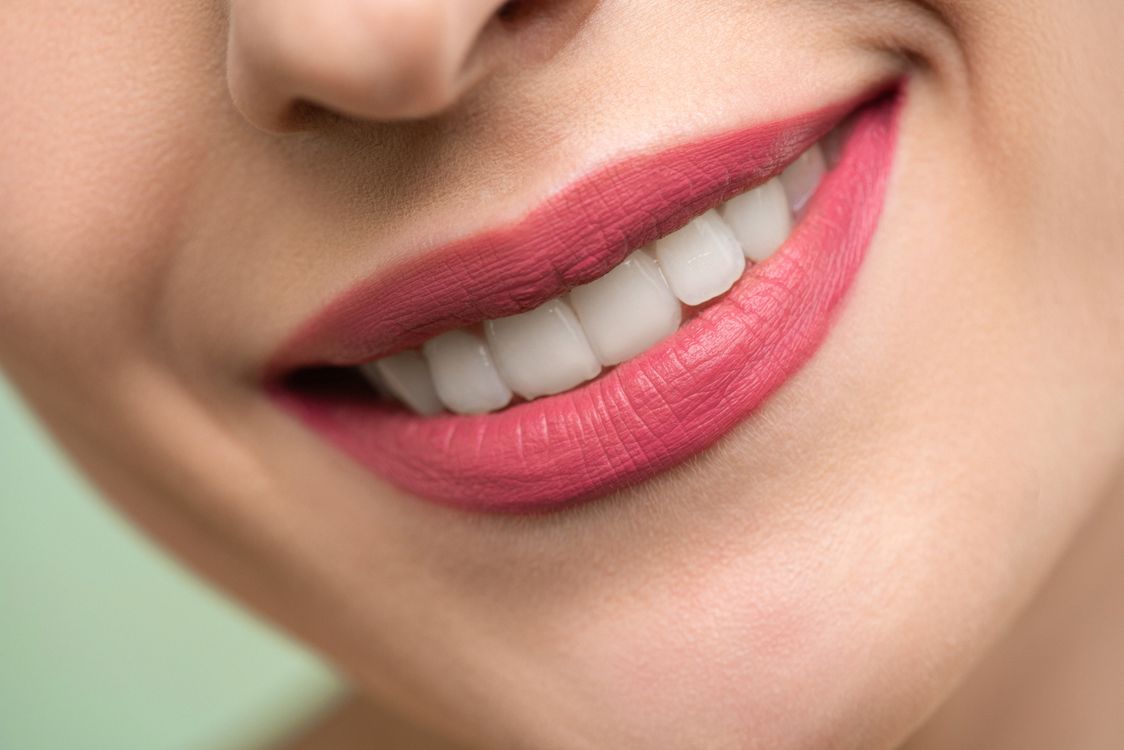
Diastema, or “mind the gap,” describes a visible space between two teeth, most commonly the upper front teeth. The important question is not whether every gap should be closed. It is why the space is there, whether it is stable, and which treatment, if any, solves the cause without creating a new problem.
Our dental bonding page explains one conservative way to close small cosmetic gaps. This article starts one step earlier: diagnosis.
Some Gaps Are Completely Normal
Spacing can be a normal part of dental development, especially in children while permanent teeth are erupting. Some gaps become smaller as additional teeth emerge and the bite matures.
Adults can also have a stable diastema that causes no functional problem. If the gums are healthy, the bite is stable, and the patient likes the appearance, no treatment is required.
Tooth Size and Jaw Size Can Create Natural Spacing
If teeth are relatively narrow compared with the width of the dental arch, spaces can remain even when every tooth is properly aligned. This can be inherited and may affect several areas rather than one isolated gap.
In those cases, treatment planning considers the whole smile. Closing one space without considering tooth proportions can make individual teeth look unnaturally wide.
A Missing or Undersized Tooth Can Shift the Space
Some patients have congenitally missing lateral incisors or “peg-shaped” lateral incisors that are smaller than average. That can create visible spacing near the front teeth.
Options may involve orthodontically redistributing the space followed by bonding, veneers, or tooth replacement. The sequence matters because cosmetic work placed before tooth movement may have to be redone.
The Labial Frenum Can Contribute in Selected Cases
The band of tissue connecting the upper lip to the gum is called the labial frenum. In some patients, its position and attachment may contribute to a persistent central gap.
A prominent frenum does not automatically mean surgery is needed. Dentists and orthodontic clinicians evaluate whether it is actually influencing the space and how treatment should be sequenced.
Gum Disease Can Create New Gaps in Adults
A gap that develops or widens in adulthood deserves evaluation. Periodontal bone loss can reduce tooth support and allow teeth to drift or flare apart.
Closing the space cosmetically before stabilizing active gum disease would treat the appearance without treating the cause. Periodontal health should come first.
Habits and Tongue Pressure Can Affect Spacing
Persistent tongue thrusting, some oral habits, or abnormal pressure patterns can contribute to tooth movement. If the force remains after orthodontic closure, the gap may be more likely to reopen.
Successful treatment sometimes requires addressing the habit or muscle pattern as well as moving or reshaping the teeth.
Bonding Can Close Small Gaps Conservatively
Composite bonding adds tooth-colored resin to one or both teeth so the space becomes smaller or disappears. It usually requires little or no enamel removal and can often be completed in one visit.
Bonding is especially useful when the teeth are slightly narrow and the amount of added width will still look natural. It is less ideal when a large gap would require making the teeth disproportionately wide.
Veneers Can Change Both Space and Tooth Shape
Porcelain veneers can close spacing while also changing color, contour, length, and symmetry. They may be useful when the patient wants a broader smile transformation rather than only closing a small gap.
Veneers are more irreversible than bonding because enamel usually must be prepared. Our porcelain veneers page explains that commitment and the long-term maintenance involved.
Orthodontics Moves the Teeth Instead of Making Them Wider
Braces or clear aligners can close a diastema by moving teeth through bone. This can be the better approach when spacing is related to tooth position, multiple gaps, bite relationships, rotations, or tooth-size distribution.
Orthodontic treatment can also intentionally open space in the right location when a missing or undersized tooth later needs bonding, a veneer, or replacement.
Retention Is Critical After Orthodontic Gap Closure
Front-tooth gaps have a tendency to reopen in some patients. Retainers help maintain the corrected tooth position after orthodontic treatment.
Depending on the case, long-term or permanent retention may be recommended. Closing the gap is only the first half of orthodontic treatment; keeping it closed is the second.
Do You Need a Frenectomy?
A frenectomy removes or repositions frenum tissue. It is appropriate only in selected cases where the attachment contributes meaningfully to spacing or other functional issues.
Timing matters. In some orthodontic plans, the space is closed first and the tissue is addressed afterward to reduce scar-related interference. The orthodontic and dental teams should coordinate rather than treating the frenum in isolation.
What If the Gap Appeared Recently?
New spacing in an adult should not be assumed to be cosmetic. Gum disease, tooth loss, bite changes, tongue pressure, or mobility can all cause teeth to shift.
A dental exam can check periodontal support, tooth mobility, missing teeth, bite, and imaging before any cosmetic closure is planned.
How Dentists Decide Which Option Fits
Useful factors include:
- Width of the gap.
- Width and shape of the teeth.
- Whether there are multiple spaces.
- Bite and tooth position.
- Gum and bone health.
- Missing or undersized teeth.
- Age and growth.
- Habits or tongue pressure.
- How much enamel the patient is willing to alter.
- Budget, timeline, and maintenance preferences.
Sometimes the Best Treatment Is No Treatment
A stable, healthy diastema can be part of a person’s natural smile. There is no medical requirement to close it simply because a space exists.
Treatment makes sense when the patient wants a cosmetic change, the gap reflects an underlying problem, food trapping or function is affected, or tooth position needs correction for broader dental reasons.
Close the Cause, Not Just the Space
A gap between front teeth can result from normal anatomy, tooth-size mismatch, missing teeth, tooth position, frenum attachment, oral habits, or periodontal changes. Those causes lead to different treatment plans.
Bonding may be ideal for a small proportion problem. Orthodontics may be better when tooth position is the main issue. Veneers can address multiple cosmetic concerns. Periodontal treatment may be essential before any of them.
The best cosmetic result usually comes from diagnosing the reason for the space before deciding how to close it.
People Ask
 Dr. Roy Burkhalter, DDS


.svg)