


.svg)
.svg)
Contents
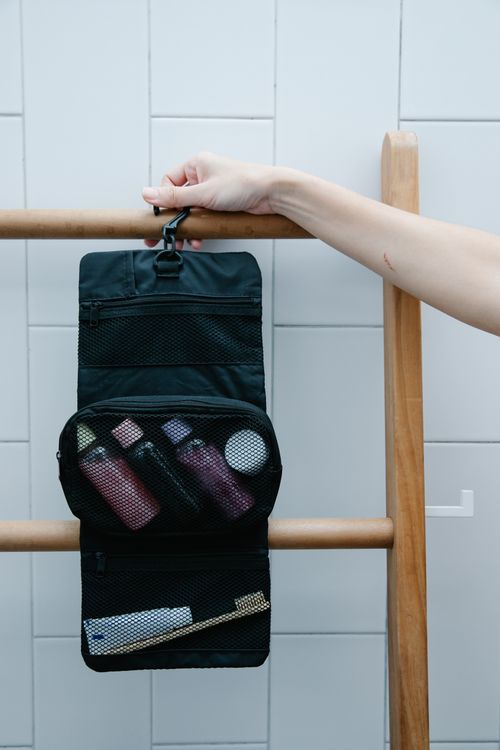
Celebrate Labor Day by getting away, but if the long weekend takes you to a cabin, campground, lake, rural road, or somewhere far from your usual dentist, a little dental planning is worth the space in the glove box.
This is not another general vacation-packing guide. Our summer vacation dental tips article covers routine travel preparation. This Labor Day guide focuses on a narrower question: what should you do when dental care may be hours away and you need to decide what can wait, what needs a local dentist, and what belongs in an emergency department?
Know Where the Nearest Care Is Before You Need It
Remote trips are easier when you know the nearest town with urgent dental and medical services. You do not need to build an elaborate emergency plan, but knowing whether the closest dental office is twenty minutes or two hours away changes how you respond to a problem.
Save your regular dentist’s number in your phone and note the nearest hospital or urgent medical facility if the trip involves significant distance, water activities, cycling, hiking, or other injury risk.
Take Care of Known Problems Before Leaving
A loose crown, cracked filling, painful wisdom tooth, recurring swelling, or tooth that has been waking you at night is more likely to become inconvenient when you are far from home.
If a problem is already active, schedule a dental exam before the trip when possible. The purpose is not to complete every optional treatment before Labor Day; it is to identify what is unstable enough that postponing it creates unnecessary risk.
Pack a Small Remote-Travel Dental Kit
- Soft-bristled toothbrush.
- Fluoride toothpaste.
- Floss or your normal interdental cleaner.
- Clean gauze.
- A small rigid container.
- Orthodontic wax if anyone wears braces.
- Cases for retainers, aligners, night guards, or dentures.
- Your dental office phone number.
- Any dentist-recommended prescription toothpaste or rinse.
You do not need to pack a miniature dental office. The goal is to keep normal care going and have a few basic supplies for the first minutes after an injury.
What Can Usually Wait Until You Get Home?
A tiny chip without pain, mild cold sensitivity that has not changed, a lost retainer case, or a rough edge on an old filling may be able to wait a short period if symptoms are stable.
That does not mean ignore the problem indefinitely. Call your dentist for guidance and schedule follow-up after the trip.
What Deserves a Local Dentist During the Weekend?
Problems more likely to need prompt dental evaluation include:
- A crown that comes off and leaves a sensitive or vulnerable tooth.
- A filling that breaks and leaves a sharp edge or large opening.
- Increasing tooth pain that is interfering with sleep or eating.
- Swelling around a tooth or wisdom tooth.
- A broken tooth with visible deeper structure.
- A tooth that becomes loose or displaced after an injury.
If the trip is remote, call your regular dentist first when possible. They may be able to help you decide whether you should drive to the nearest dental office or whether the problem can safely wait.
When the Emergency Department Is the Right Choice
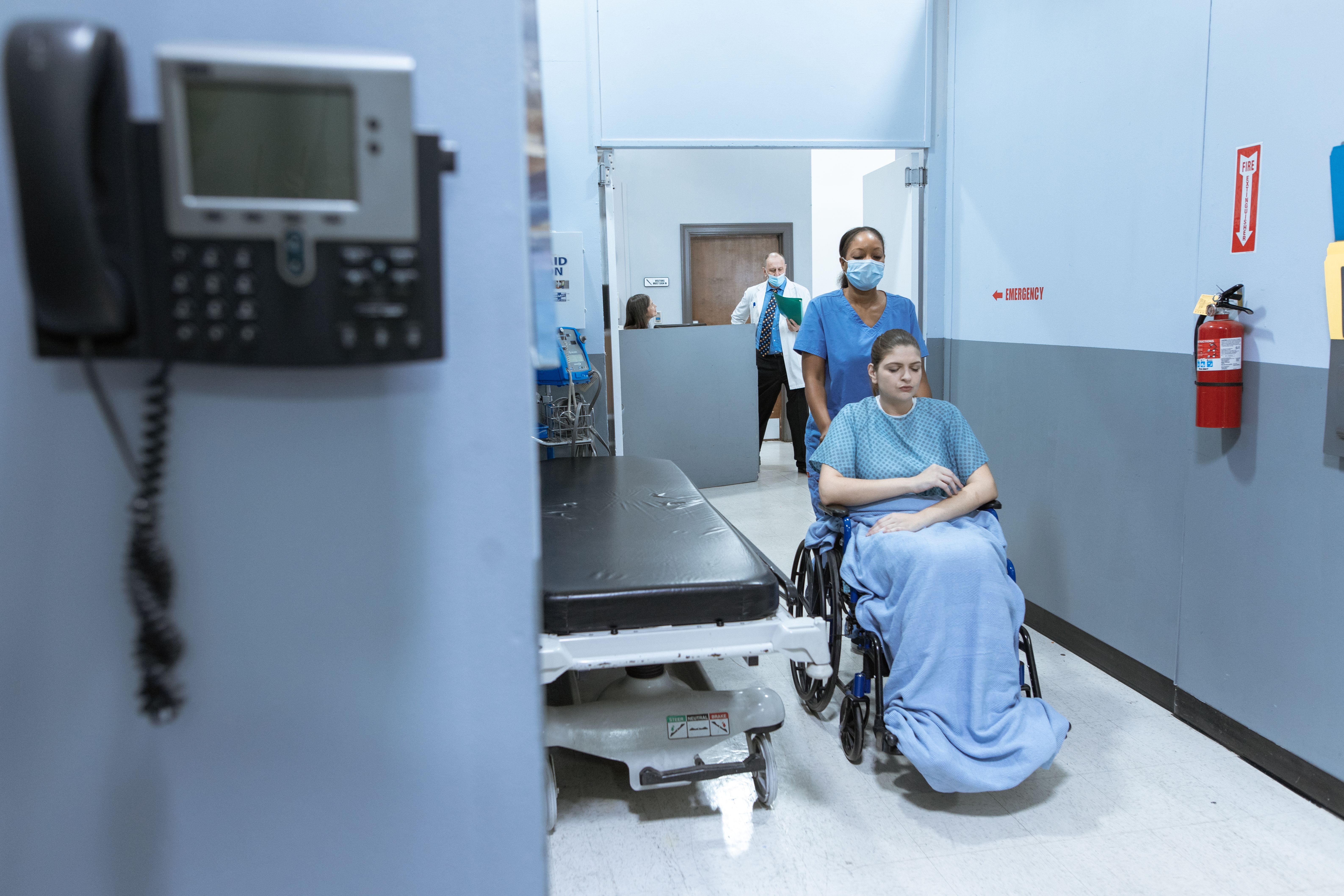
Dental offices treat teeth. Emergency departments are better equipped for life-threatening or major medical problems.
Go for emergency medical care when there is difficulty breathing or swallowing, rapidly spreading facial or neck swelling, uncontrolled bleeding, major facial trauma, loss of consciousness, suspected jaw fracture, severe head injury, or another condition that threatens overall safety.
Markham’s emergency dentistry page explains how dental and medical emergencies differ.
A Knocked-Out Permanent Tooth Should Not Wait
If a permanent tooth is completely knocked out, handle it by the crown rather than the root. Rinse it gently if dirty without scrubbing. If safe and appropriate, it may be reinserted. Otherwise keep it moist in milk or a tooth-preservation solution.
Seek immediate dental treatment. Do not wrap the tooth in a dry tissue and wait until Tuesday.
Do Not Reinsert a Knocked-Out Baby Tooth
A primary tooth should not be placed back into the socket because doing so can damage the developing permanent tooth underneath.
Control bleeding with gentle pressure and contact a dentist for guidance.
If a Crown Comes Off at a Cabin or Campsite
Save the crown, keep it clean, and avoid chewing on the exposed tooth. The underlying tooth may be sensitive and may fracture more easily without its restoration.
Do not use superglue or another household adhesive. A dentist needs to evaluate why the crown came off and whether the tooth underneath is still healthy enough for recementation.
If a Filling Breaks
Rinse the area gently, keep it clean, and avoid chewing hard foods on that side. A temporary dental filling product sold for short-term emergency use may be reasonable in selected situations, but it does not replace diagnosis.
If the tooth becomes increasingly painful or the break is large, seek local care instead of waiting several days.
What About a Broken Denture?
Do not repair a denture with household glue, epoxy, or heat. These can damage the material, change the fit, or create unsafe surfaces.
If the denture is painful or unstable, leave it out when necessary and contact a dentist or denture provider. Pack the denture case so it can be stored safely.
Protect Retainers and Aligners From Heat
Labor Day road trips often involve hot vehicles. Thermoplastic retainers and clear aligners can distort when left on a dashboard, in direct sun, or inside a very hot car.
Keep appliances in their case and out of extreme heat. If an aligner visibly changes shape, do not force it onto the teeth.
Camping Does Not Cancel Brushing
If clean running water is limited, you can still brush with fluoride toothpaste. Use a small amount of safe drinking water for rinsing the brush when needed.
Do not skip several nights simply because the bathroom setup is different. A travel toothbrush and a small flashlight are often enough.
Keep Sweet Drinks From Becoming Road-Trip Background Noise
Long drives make continuous sipping easy. Soda, sweet coffee, sports drinks, lemonade, and energy drinks can expose teeth repeatedly for hours.
Use water as the default during the drive and consume sweet or acidic drinks in defined periods instead of nursing them across several counties.
Do Not Chew Ice to Stay Awake
Hard ice can chip enamel, fracture fillings, and trigger cracks in vulnerable teeth. If fatigue is the problem, chewing ice is not the solution.
Stop, rest, switch drivers, or take another safe approach to drowsiness.
Protect Teeth During Lake and Outdoor Activities
Boating, wakeboarding, cycling, basketball, softball, and other Labor Day activities can cause facial injuries. Use helmets, face protection, and mouthguards appropriate to the activity.
A mouthguard cannot prevent every injury, but it can reduce the chance that a routine recreational collision becomes a dental reconstruction problem.
What If You Are Completely Off-Grid?
If the trip takes you somewhere with no immediate road access, prevention matters more. Resolve known dental problems first, carry basic supplies, and have an evacuation plan appropriate to the activity.
Severe swelling, uncontrolled bleeding, major facial trauma, or a knocked-out permanent tooth can become time-sensitive enough that leaving the trip early is the correct decision.
A Labor Day Getaway Checklist
- Address known painful or unstable dental problems before leaving.
- Save your dentist’s number and identify the nearest urgent care options.
- Pack toothbrush, fluoride toothpaste, interdental tools, gauze, and appliance cases.
- Keep aligners and retainers out of hot cars.
- Use water as the default road-trip drink.
- Know how to respond to a lost crown, broken filling, and knocked-out permanent tooth.
- Leave the trip for urgent care when symptoms are spreading or severe.
The Best Emergency Plan Is the One You Barely Need
A long weekend should feel like time away, not a medical expedition. Most dental issues never happen. Preparation simply gives you better options if something does.
Know what can wait, know what cannot, keep a few basic supplies nearby, and address unstable teeth before you leave. Then get away and enjoy the weekend.
People Ask
 Dr. Roy Burkhalter, DDS

.svg)