


.svg)
.svg)
Contents
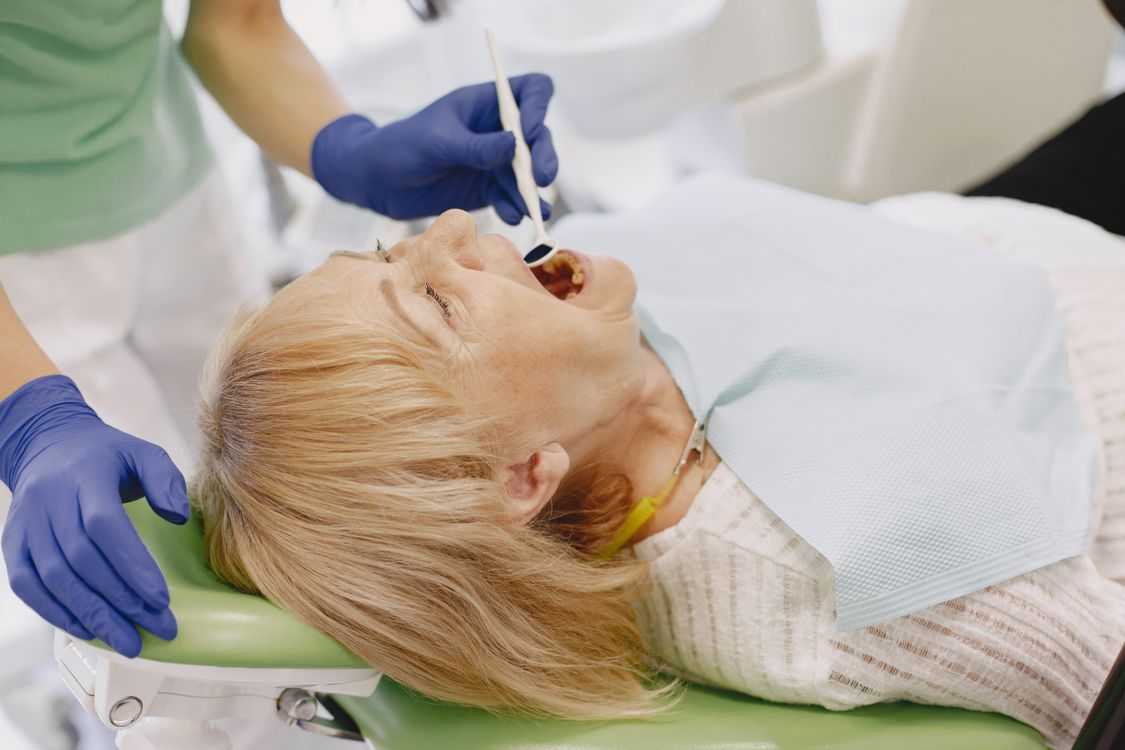
Aging and oral health becomes more complicated when the medical picture changes. A new prescription, osteoporosis diagnosis, blood thinner, cancer treatment, diabetes medication, joint replacement, or change in memory or hand strength can alter dental risk even when the teeth themselves seem unchanged.
We already have a broad guide to aging and dental health that covers dry mouth, root cavities, dentures, implants, and everyday prevention. This article takes a narrower angle: what health changes adults should tell their dentist about after 60, and why those details can change the dental plan.
Your Medication List Is Part of the Dental Exam
Many medications affect the mouth indirectly. Some reduce saliva, some change bleeding or clotting, some influence bone metabolism, and some alter blood pressure, alertness, or healing. The dental team does not need a medication list for paperwork alone; it helps explain why cavity risk, gum health, bleeding, and treatment tolerance may have changed.
Bring the name, dose, and reason for each prescription, over-the-counter medicine, vitamin, and supplement. Update the list whenever something changes rather than waiting for the next annual medical review.
Dry Mouth Often Begins With a Medication Change
Dry mouth is common in later life, but age itself is not usually the only reason. Medicines used for blood pressure, mood, allergies, bladder symptoms, pain, sleep, and other conditions can reduce saliva.
Saliva helps neutralize acids, lubricate tissues, and protect enamel. When it decreases, cavities can form more quickly, especially along exposed roots and crown margins. A person who had few cavities for decades can suddenly become high risk after a medication change.
Do not stop a prescribed medication because of dry mouth. The dentist can help with fluoride, saliva-support strategies, product changes, and a more frequent preventive schedule while the prescribing clinician considers whether alternatives are medically appropriate.
Blood Thinners Do Not Automatically Prevent Dental Treatment
Anticoagulant and antiplatelet medicines are prescribed to reduce the risk of stroke, heart attack, or other serious events. Patients sometimes stop them on their own before an extraction because they are worried about bleeding. That can be dangerous.
Many routine dental procedures can be performed without interrupting these medicines, using local measures to control bleeding. More complex surgery may require coordination with the prescribing clinician.
Never stop warfarin, apixaban, rivaroxaban, clopidogrel, aspirin prescribed for a medical reason, or another blood-thinning drug unless the clinicians managing your care give specific instructions.
Osteoporosis Medicines Need to Be on the Dental Record
Bisphosphonates and other antiresorptive medicines can be important for preventing serious fractures. They are also relevant to dental planning because a rare complication called medication-related osteonecrosis of the jaw can occur, particularly after invasive procedures in some higher-risk patients.
The risk depends on the specific medicine, route, dose, duration, cancer treatment history, other health conditions, and the dental procedure. Routine cleanings, fillings, crowns, and most non-surgical care are not avoided simply because a patient takes an osteoporosis medicine.
The goal is coordination, not fear. Tell the dentist what you take and why before extractions or implant planning.
A New Osteoporosis Diagnosis Is Not the Same as Gum-Disease Bone Loss
Osteoporosis is a systemic skeletal condition. Periodontal disease destroys the local tissues and bone supporting teeth because of inflammation associated with bacterial plaque and individual risk factors.
The two conditions can coexist, but a bone-density scan does not diagnose periodontal disease, and periodontal X-rays do not replace medical osteoporosis testing. Each condition needs its own evaluation.
Diabetes Control Can Change Gum and Healing Risk
Diabetes and periodontal health influence one another. Poorly controlled blood glucose can increase susceptibility to gum inflammation, infection, and delayed healing, while significant periodontal inflammation can make overall diabetes management more difficult.
Tell the dentist if your diabetes medication changed, your A1C changed substantially, you have experienced frequent low blood sugar, or you have had new complications. Appointment timing, food intake, medications, and surgical planning may need to be adjusted.
Cancer Treatment Can Change Dental Priorities
Chemotherapy, immunotherapy, head-and-neck radiation, and bone-targeting cancer medications can affect oral tissues, saliva, immune response, bleeding, and healing. Dental planning is especially important before head-and-neck radiation or certain oncology treatments begin.
During active cancer treatment, elective procedures may be postponed or coordinated around blood counts and the oncology schedule. Mouth sores, dry mouth, fungal infection, taste changes, and rapidly increasing decay risk may require preventive support.
Share the oncology team’s contact information when care needs to be coordinated.
Joint Replacements and Heart Conditions Need Accurate History, Not Automatic Antibiotics
Patients with prosthetic joints or certain heart conditions often ask whether they need antibiotics before dental visits. Recommendations depend on the medical condition and the procedure; antibiotics are not routinely prescribed to every person with an artificial joint.
Certain cardiac conditions carry specific infective-endocarditis considerations. The dentist may coordinate with the cardiologist or orthopedic clinician when the history is unclear.
Do not take leftover antibiotics “just in case.” Unnecessary antibiotics can cause side effects and contribute to resistance.
Kidney and Liver Disease Can Affect Medication Choices
The kidneys and liver process many medications. Significant disease may influence which pain medicines, antibiotics, sedatives, or dosages are appropriate. Dialysis schedules and bleeding considerations can also affect appointment planning.
Tell the dental team about kidney or liver disease, dialysis, transplant status, and recent changes in medical care. Routine dentistry is often still possible, but the medication plan may need modification.
Cognitive Changes Can Show Up as Dental Changes First
Early memory decline can disrupt routines that were automatic for decades. Brushing may become inconsistent, dentures may be misplaced or worn overnight, appointments may be missed, and a person may not describe tooth pain clearly.
A sudden increase in plaque, cavities, broken dentures, food avoidance, weight loss, or unexplained dental deterioration can be a signal that the daily routine needs more support.
With the patient’s permission and appropriate legal authority, a trusted caregiver can help manage appointments, medication lists, transportation, and home care.
Arthritis and Tremor Can Change the Best Cleaning Tools
The problem may not be motivation. Reduced grip strength and fine-motor control can make string floss and a narrow toothbrush handle genuinely difficult to use.
A powered toothbrush, larger handle, floss holder, interdental brush, or water flosser may be more realistic. The hygienist can adapt technique to the patient’s hand strength, vision, balance, and caregiver support.
Falls and New Mobility Problems Matter to Dentistry
Falls can fracture front teeth, dentures, crowns, and facial bones. Mobility limitations can also affect whether a patient can transfer safely into the dental chair or tolerate lying back for long periods.
Tell the office about wheelchairs, walkers, oxygen, recent falls, dizziness, or transfer needs before the appointment so enough time and assistance can be arranged.
Changes in Eating Can Be a Dental Clue
Older adults sometimes shift toward soft, refined foods because chewing has become uncomfortable. That change can be blamed on “getting older” when the real cause is a loose denture, broken tooth, missing chewing support, dry mouth, or gum tenderness.
Avoiding meat, vegetables, nuts, or other nutritious foods because of the mouth deserves evaluation. Dental treatment cannot solve every nutrition problem, but restoring comfortable chewing can remove one important barrier.
When Should Dental Visits Become More Frequent?
There is no age at which everyone automatically needs three- or four-month visits. Frequency should be based on current risk: active gum disease, dry mouth, new root cavities, complex restorations, implants, difficulty with home care, or rapid changes in health.
A personalized dental exam can establish whether the existing schedule still fits the patient’s risk profile.
What to Tell Your Dentist After a Health Change
- New diagnoses or hospitalizations.
- New prescriptions, supplements, or dose changes.
- Blood thinners or antiplatelet medicines.
- Osteoporosis or cancer-related bone medicines.
- Changes in diabetes control.
- Recent chemotherapy, radiation, immunotherapy, or transplant care.
- New joint replacements or significant heart conditions.
- Kidney or liver disease.
- Falls, mobility changes, oxygen use, or difficulty lying flat.
- Memory, vision, or dexterity changes that affect home care.
Keep the Dental Plan Synchronized With the Medical Plan
Oral health after 60 is not simply “more of the same.” A stable mouth can become higher risk when medication, saliva, mobility, cognition, or systemic health changes. The most useful dental visit is one where the team knows what has changed outside the mouth as well as what has changed inside it.
Family dentistry across the lifespan works best when dental and medical information stay current. Bring the updated list, ask questions before stopping medicines, and let the dental team coordinate with other clinicians when invasive treatment or a complex medical history makes that useful.
People Ask
 Dr. Roy Burkhalter, DDS


.svg)