


.svg)
.svg)
Contents
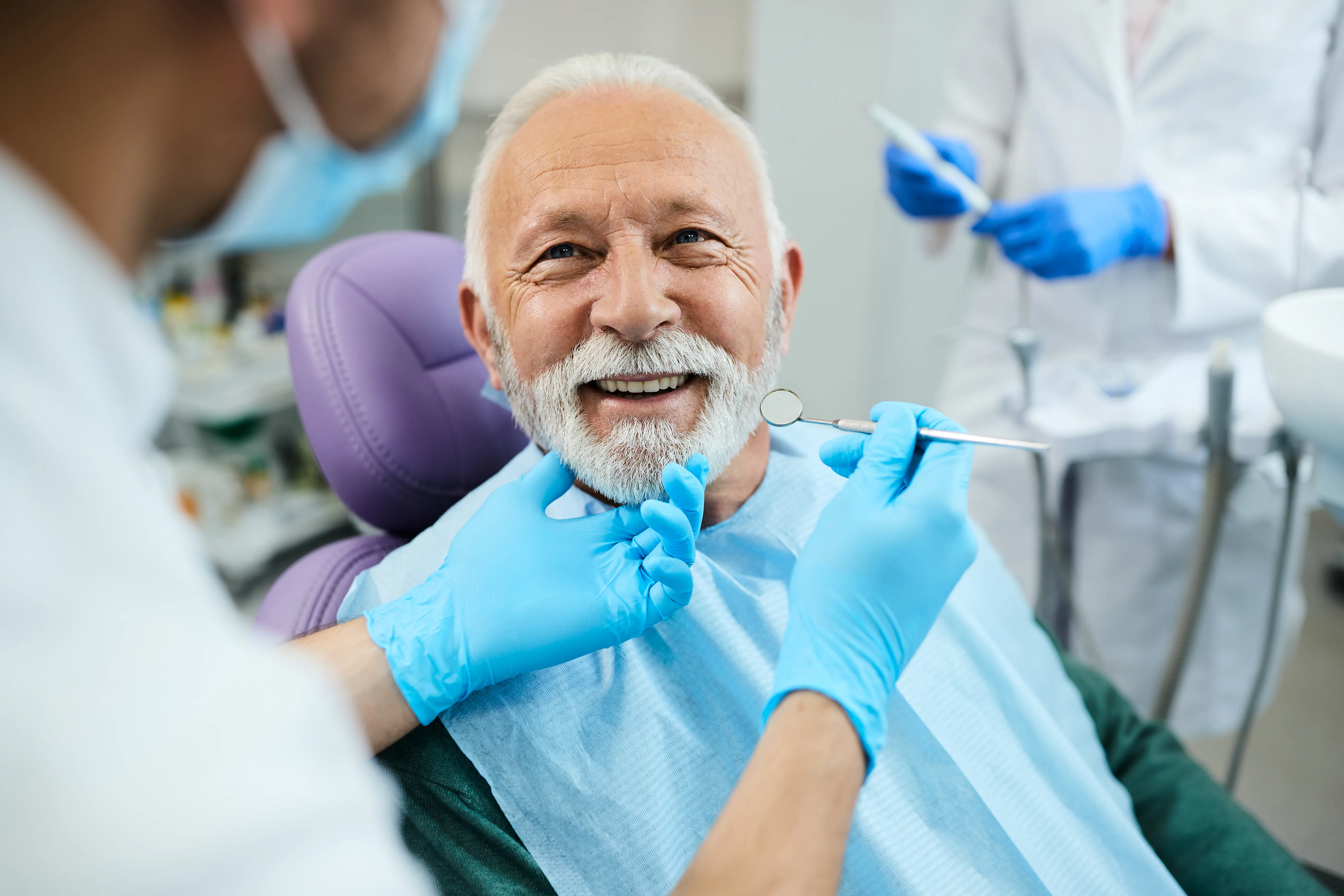
Aging and dental health are closely connected, but losing teeth is not an unavoidable part of getting older. With effective daily care, regular professional visits, and treatment of medical and dental risk factors, many adults can keep natural teeth for life. What changes with age is not the basic need for prevention; it is the number of factors that may make prevention more challenging.
Older adults may take several medications, experience dry mouth, develop gum recession, have existing crowns or fillings that need monitoring, or find brushing and flossing more difficult because of arthritis, vision changes, or reduced dexterity. A personalized dental exam in Harlan, IA helps identify those changing needs and creates a practical plan for protecting comfort, nutrition, speech, and confidence.
Tooth Loss Is Not a Normal Requirement of Aging
Teeth do not have an expiration date. Tooth loss most often follows preventable or treatable conditions such as decay, gum disease, fracture, infection, or long-term wear. Age can increase exposure to these risks, but age alone does not make a healthy tooth fall out.
Keeping natural teeth depends on controlling plaque, reducing repeated sugar and acid exposure, maintaining healthy saliva, treating gum disease, repairing failing restorations, and addressing cracks before they become catastrophic. A patient who has not seen a dentist in years should not assume that extraction is the only option. Modern restorative care can often preserve teeth that are structurally repairable.
At the same time, saving a tooth at any cost is not always the healthiest decision. A severely fractured, infected, or unsupported tooth may need removal. The goal is an honest assessment of prognosis, not a promise that every tooth can or should be retained.
Dry Mouth Is Common but Should Not Be Ignored
Saliva lubricates the mouth, supports speaking and swallowing, buffers acids, and helps protect tooth mineral. Dry mouth, also called xerostomia, can make food difficult to chew, alter taste, irritate tissues, worsen denture comfort, and raise the risk of cavities and oral infections.
Dry mouth becomes more common in later life, but it is often related to medications and health conditions rather than aging by itself. Medicines for blood pressure, depression, anxiety, allergies, bladder symptoms, pain, and other conditions can reduce saliva. Diabetes, Sjögren’s disease, head-and-neck radiation, dehydration, and mouth breathing are other possible causes.
Do not stop a prescribed medicine without consulting the prescribing clinician. Instead, bring an updated medication list to dental and medical visits. The dentist can help identify likely contributors and may recommend water, sugar-free gum or lozenges when safe, saliva substitutes, fluoride products, or more frequent prevention. Persistent dryness deserves evaluation because simply sipping water may not provide enough cavity protection.
Root Cavities Can Develop After Gum Recession
When gums recede, the root surface becomes exposed. Roots are covered by cementum rather than the thicker enamel that protects the crown, so exposed roots can decay more quickly. Root cavities may be difficult to see and can spread around an older filling or beneath the gumline.
Dry mouth, frequent snacking, sweetened beverages, limited dexterity, and partial dentures can increase risk. Sensitivity to cold or sweets may be an early symptom, but root decay can also progress without pain.
Brush twice daily with fluoride toothpaste and clean between teeth every day. Patients at higher risk may benefit from professional fluoride treatment or a prescription-strength home product. The correct recommendation depends on the patient’s medical history, swallowing ability, and cavity risk.
Gum Disease Can Progress Quietly
Periodontal disease affects the tissues and bone that support teeth. Early inflammation may cause redness or bleeding, while advanced disease can lead to recession, bone loss, mobility, and tooth loss. It often progresses with little pain, which is why a comfortable mouth is not proof that the gums are healthy.
Risk can be influenced by plaque, tobacco, diabetes control, dry mouth, genetics, and inconsistent professional care. Older restorations and crowded spaces can create areas that are harder to clean.
Treatment may include scaling and root planing, management of contributing conditions, and ongoing periodontal maintenance. Our gum disease therapy is based on measurements, X-rays when indicated, and the extent of tissue and bone changes.
Existing Fillings, Crowns, and Bridges Need Monitoring
Dental restorations do not last forever. Over years of chewing, a filling can wear, a crown margin can become exposed, cement can weaken, or decay can begin at an edge. A restoration may look intact from the top while a problem develops beneath or between teeth.
During an exam, the dentist evaluates margins, bite contacts, cracks, food traps, and surrounding tissue. X-rays may be recommended based on risk and symptoms. Replacement should have a clinical reason; a restoration is not automatically removed because it reaches a certain age.
Small defects may be treated with a filling or repair. A weakened tooth may need a crown. If decay or fracture reaches the pulp, root canal treatment may help preserve the tooth.
Changes in Dexterity Can Make Home Care Harder
Arthritis, tremor, stroke, Parkinson’s disease, reduced grip strength, and visual changes can make a familiar routine frustrating. Difficulty does not mean home care must be abandoned. The tools and environment can be adapted.
A powered toothbrush with a larger handle may require less fine movement. Foam, bicycle grip material, or a commercially available adaptive handle can make a manual brush easier to hold. Floss holders, interdental brushes, and water flossers may be more manageable than string floss.
Good lighting, a magnifying mirror, a seated position, and supplies stored within reach can improve safety. A caregiver may need to remind, prepare, supervise, or directly assist. The dental hygienist can demonstrate a technique that protects the caregiver’s posture and the patient’s comfort.
Caregivers Play an Important Oral-Health Role
Adults living with dementia, disability, or serious illness may not report pain clearly. Caregivers should watch for facial swelling, refusing food, chewing on one side, touching the mouth, loose dentures, bad breath, broken teeth, behavior changes, or blood on the toothbrush.
Use simple explanations and a predictable routine. Approach from the front, ask permission, and allow the person to participate as much as possible. If cooperation changes suddenly, pain, infection, medication effects, or another health issue may be contributing.
Bring medication lists, legal healthcare documents when applicable, and information about mobility or communication needs to the appointment. Planning ahead allows the office to arrange enough time and appropriate support.
Nutrition and Oral Health Affect Each Other
Dental pain, missing teeth, loose dentures, and dry mouth can push people toward soft foods that are easy to chew but high in refined carbohydrates. Avoiding meat, vegetables, nuts, or fruit because of chewing difficulty can reduce diet variety and affect overall health.
The solution is not to force hard foods through pain. The dentist should identify whether the problem comes from decay, a broken tooth, gum disease, poor denture fit, or missing teeth. Restoring comfortable function can make balanced eating easier.
Choose foods that fit medical and swallowing needs, drink water regularly, and limit frequent sugary snacks or drinks. Patients with unexplained weight loss, difficulty swallowing, or persistent appetite changes should involve their medical clinician as well as the dental team.
Dentures Require Daily Care and Periodic Adjustment
Full and partial dentures collect plaque, food, and microorganisms. They should be cleaned every day with products and methods appropriate for the material. Regular toothpaste may be too abrasive for some dentures, and hot water can distort them.
Remove dentures according to the dentist’s instructions, clean the gums, tongue, and any remaining teeth, and store the appliance safely. Do not repair a crack with household glue. A denture that rocks, pinches, creates sores, or suddenly feels loose needs professional evaluation.
The jaw and soft tissues change over time, so a once-comfortable denture may require adjustment, relining, or replacement. Our denture services include full, partial, immediate, and implant-retained options based on the patient’s needs.
Dental Implants Can Be an Option at Older Ages
There is no universal upper age limit for dental implants. Candidacy depends more on general health, bone support, gum health, medications, healing capacity, nicotine use, and the ability to maintain the restoration.
Implants may replace one tooth, support a bridge, stabilize a removable denture, or hold fixed full-arch teeth. They can improve chewing stability for selected patients, but they require surgery and lifelong cleaning. Implant tissues can develop inflammation and bone loss if plaque is not controlled.
A 3D evaluation helps determine whether conventional dental implants, implant-supported dentures, or another option is appropriate. A bridge or conventional denture may still be the better choice for some patients.
Oral Cancer Risk Deserves Continued Attention
Age is one of several factors associated with oral and throat cancers. Tobacco, heavy alcohol use, persistent high-risk HPV infection, previous cancer, and immune suppression can further affect risk. Patients who have never used tobacco can still develop disease.
During routine care, the dentist examines the lips, cheeks, gums, tongue, floor of the mouth, palate, and visible throat and may feel the neck for unusual lumps. Our oral cancer screening is quick and generally painless.
Call for a mouth sore, red or white patch, unexplained bleeding, lump, numbness, swallowing difficulty, hoarseness, or neck mass that persists. A dental screening cannot see every area of the throat, so ongoing throat symptoms may need medical or ear-nose-and-throat evaluation.
Medical Conditions and Dental Care Should Be Coordinated
Diabetes, heart disease, kidney disease, osteoporosis, cancer treatment, bleeding disorders, immune conditions, and cognitive changes can influence dental planning. So can blood thinners, antiresorptive medications, steroids, and many other prescriptions.
Tell the dentist about diagnoses, allergies, hospitalizations, implanted devices, and medication changes. Never stop a blood thinner or other prescribed medicine for dental treatment unless the prescribing clinician and dentist have coordinated the decision.
Well-controlled chronic conditions often allow routine dental care to proceed safely. The goal is communication, not avoiding treatment until a dental problem becomes an emergency.
How Often Should Older Adults See a Dentist?
There is no single schedule for every person. Someone with healthy tissues, good saliva, and low cavity risk may need a different interval from a patient with dry mouth, active root decay, periodontal disease, implants, or complex dentures.
The dentist may recommend more frequent professional cleanings and exams when risk is high. Regular visits help identify subtle changes before they cause pain, but new symptoms should not wait for the next scheduled appointment.
Paying for Care and Planning Treatment
Medicare and dental benefits vary, and coverage terminology does not determine what is clinically necessary. Ask for a prioritized treatment plan that separates urgent disease, prevention, and optional improvements. Written estimates should explain stages, alternatives, and what may require maintenance later.
Our insurance and financing information describes benefits verification and financing options. Beginning the conversation early provides more time to coordinate appointments, transportation, caregiving, and costs.
Daily Checklist for a Healthy Older Smile
- Brush twice daily with fluoride toothpaste and a soft brush.
- Clean between teeth with a tool that fits comfortably.
- Clean dentures and remove them as instructed.
- Drink water and report persistent dry mouth.
- Limit frequent sugary and acidic snacks or drinks.
- Avoid tobacco and follow medical guidance about alcohol.
- Bring an updated medication list to visits.
- Call promptly for pain, swelling, broken teeth, or persistent tissue changes.
- Keep personalized exam and cleaning appointments.
A Strong Smile Can Last a Lifetime
Aging and dental health do not have to mean inevitable tooth loss or discomfort. The plan may evolve as medications, mobility, saliva, restorations, and medical conditions change, but prevention remains effective at every age.
Markham Family Dental Associates provides preventive, periodontal, restorative, implant, and denture care for older adults in Harlan and surrounding communities. To review changing oral-health needs or create a practical treatment plan, request an appointment or call (712) 755-5342.
People Ask
 Dr. Roy Burkhalter, DDS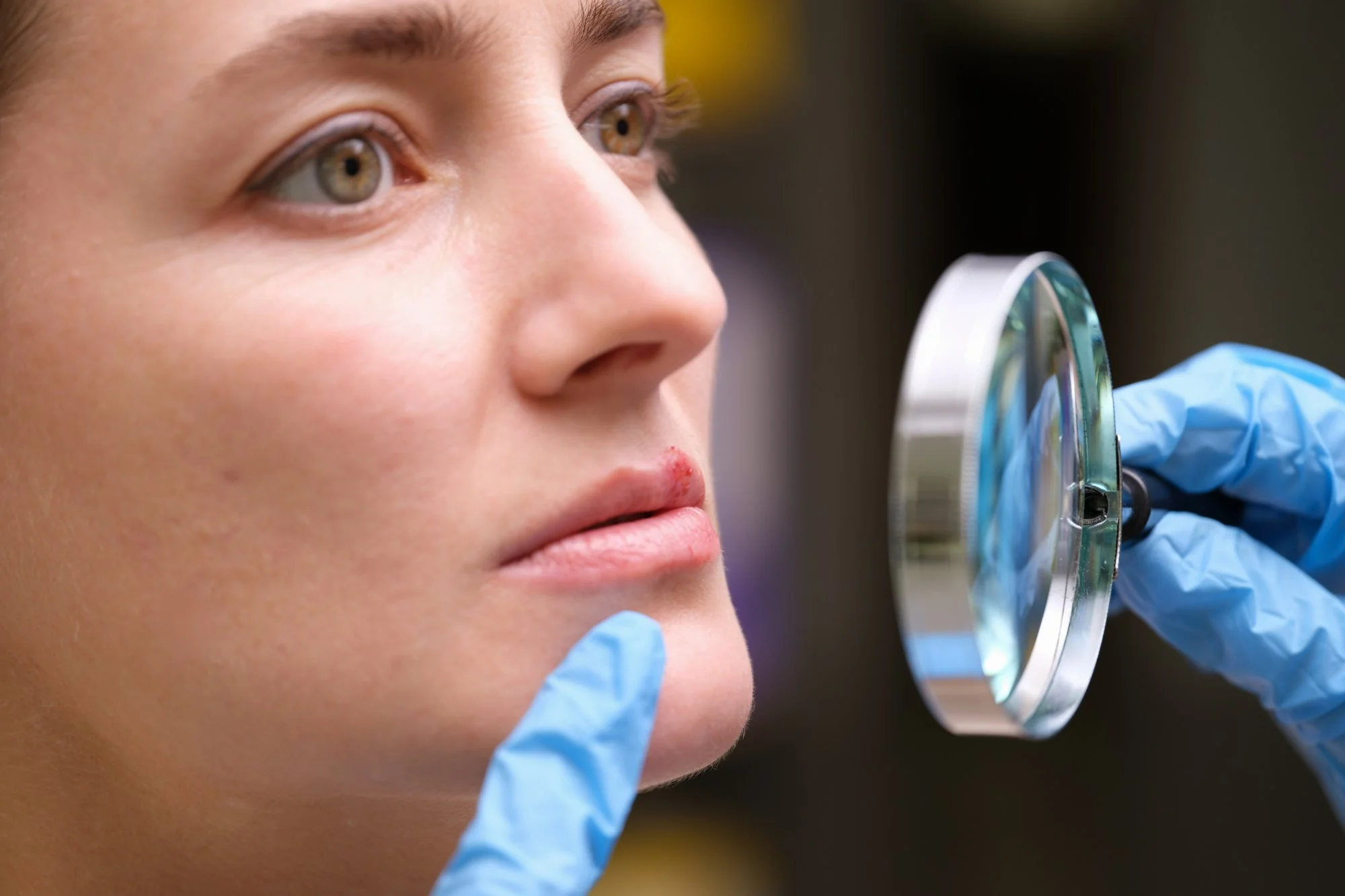

.svg)