



.svg)
.svg)
Contents

Hypersensitive teeth can turn a sip of cold water, a breath of winter air, or a bite of something sweet into a sudden, sharp sensation. The pain often stops quickly after the trigger disappears, but repeated sensitivity should not be ignored. It can come from exposed dentin, gum recession, enamel wear, recent whitening, or another dental problem that needs a different treatment.
Dentin hypersensitivity is a diagnosis of exclusion. In other words, a dentist must rule out decay, cracks, leaking fillings, gum disease, and inflammation inside the tooth before assuming that exposed dentin is the cause. A dental exam in Harlan, IA is the safest way to identify why a tooth hurts and whether home care is appropriate.
What Are Hypersensitive Teeth?
Dentin hypersensitivity is commonly described as short, sharp pain from exposed dentin in response to temperature, touch, air, sweetness, or acidity when the sensation cannot be explained by another defect or disease. It may affect one tooth, several teeth, or a broad area near the gumline.
A classic sensitivity episode is brief and predictable. Cold water touches the area, the tooth sends a quick “zing,” and the sensation fades after the cold is gone. Pain that throbs, occurs without a trigger, wakes you at night, or lingers after heat or cold may point to decay, a crack, or inflammation of the pulp rather than simple hypersensitivity.
Because different problems can feel similar, the location, trigger, duration, and pattern all matter. Tell your dentist what causes the pain, how long it lasts, and whether biting or releasing pressure makes it worse.
Why Exposed Dentin Feels Sensitive
Enamel protects the visible crown of a tooth, while cementum covers the root. Beneath those outer layers is dentin, a mineralized tissue containing thousands of microscopic tubules that extend toward the pulp, where the nerve and blood supply are located.
When enamel wears away or the gum recedes and exposes the root, those tubules can become open to the oral environment. Temperature changes, air, pressure, and certain foods can move fluid within the tubules and stimulate the nerve. This helps explain why products that reduce nerve response or block tubules can relieve sensitivity for some patients.
The exposed area is often near the gumline, but worn biting surfaces, cracks, and dental treatment can create symptoms elsewhere. The visible size of the area does not always match the intensity of discomfort.
Common Causes of Hypersensitive Teeth
Gum Recession
When gum tissue pulls away from the tooth, the root surface becomes exposed. Roots do not have the same enamel covering as crowns, so they can react strongly to cold and touch. Recession may be associated with gum disease, aggressive brushing, thin gum tissue, tooth position, aging, or previous periodontal treatment.
Bleeding, swelling, persistent bad breath, or progressive recession should be evaluated for periodontal disease. Markham offers gum disease therapy and maintenance based on the patient’s diagnosis.
Enamel Erosion
Dietary acids from soda, sports drinks, energy drinks, citrus, sour candy, and repeated acidic snacking can chemically dissolve tooth mineral. Acid reflux and recurrent vomiting can expose teeth to stomach acid. Over time, erosion may thin enamel and expose dentin.
Do not brush immediately after a strong acid exposure. Rinse with water and allow saliva time to neutralize the mouth before brushing. Medical causes such as reflux or frequent vomiting require medical evaluation in addition to dental care.
Aggressive Brushing and Abrasion
Brushing harder does not remove plaque more effectively. A hard-bristled brush, excessive pressure, and repeated horizontal scrubbing can contribute to gum recession and wear at the neck of the tooth. Highly abrasive habits or products may add to the problem.
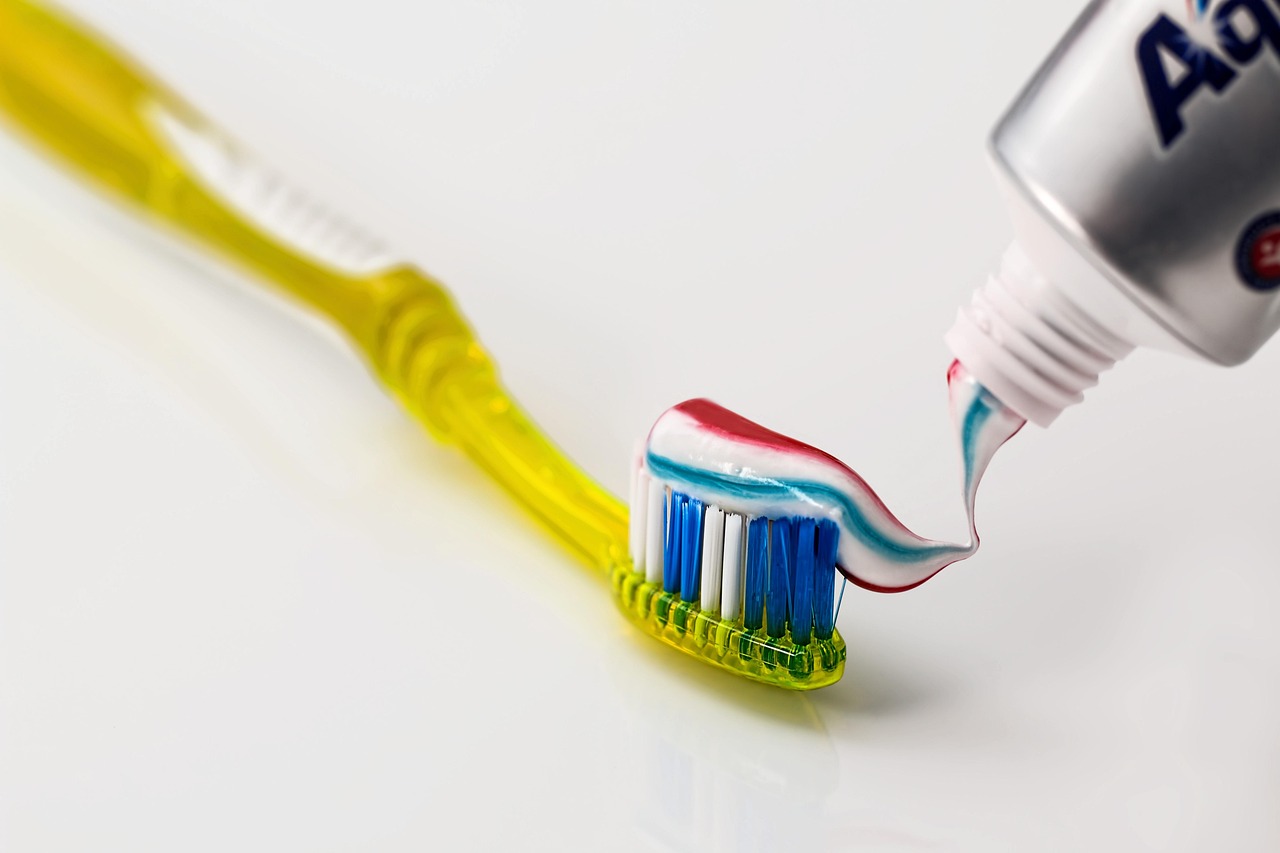
Use a soft-bristled brush, fluoride toothpaste, and gentle pressure. A powered brush with a pressure sensor may help patients who press too hard.
Teeth Grinding and Clenching
Grinding can wear enamel, flatten biting surfaces, chip edges, and stress restorations. Some people grind during sleep and do not know it until a dentist notices wear or they develop morning jaw fatigue.
A nightguard may protect teeth in selected cases, but it should be chosen after evaluating the bite and jaw symptoms. Our TMJ and TMD treatment page explains how Markham assesses grinding, jaw pain, and related concerns.
Whitening Products
Temporary sensitivity is a common side effect of peroxide-based whitening. It may begin after treatment starts and improve after the product is paused or the course is completed. Higher concentrations, longer contact, exposed roots, and pre-existing sensitivity can increase discomfort.
Do not continue whitening through significant pain. Patients with sensitive teeth should discuss product strength, schedule, and alternatives before beginning teeth whitening.
Recent Dental Treatment
A tooth can be temporarily sensitive after a filling, crown, cleaning, or other procedure. Mild sensitivity that steadily improves may be part of recovery, but pain that worsens, lingers, wakes you at night, or appears with biting pressure should be reported.
A new restoration may need a bite adjustment, or the tooth may have deeper inflammation than expected. Do not assume every post-treatment symptom is normal without discussing the pattern with the dental office.
Cavities, Cracks, and Failing Restorations
Decay, a cracked tooth, a loose filling, or an open margin can expose dentin and create trigger-based pain. These conditions will not be corrected by sensitivity toothpaste alone. They may require a filling, crown, bonding, or another restorative treatment.
A crack may hurt during biting or when pressure is released. Because cracks can be difficult to see, the dentist may use bite tests, magnification, transillumination, X-rays, and other findings to reach a diagnosis.
Hypersensitivity Versus a Toothache
Simple dentin sensitivity is usually brief, sharp, and connected to a clear trigger. A toothache may be spontaneous, throbbing, prolonged, or intense enough to disturb sleep. Heat sensitivity that lingers, swelling, a bad taste, pain when biting, or a pimple-like bump on the gum can indicate a more serious problem.
Location also matters. General sensitivity around several exposed gumlines is different from one tooth that suddenly becomes painful. A single dark tooth after trauma, a visible cavity, or a cracked filling requires evaluation rather than repeated use of over-the-counter products.
When the pulp becomes irreversibly inflamed or infected, root canal treatment may be needed to remove diseased tissue and preserve the tooth. Root canal treatment is not a routine treatment for ordinary dentin hypersensitivity; it is reserved for a diagnosed pulpal condition.
What You Can Try at Home
Use a Desensitizing Fluoride Toothpaste
Desensitizing toothpastes may contain active ingredients such as potassium compounds, stannous fluoride, arginine, or other agents designed to reduce nerve response or block open tubules. Use the product consistently and according to its label. Switching products every few days makes it difficult to judge whether one is helping.
Brush gently twice a day and spit out excess toothpaste. Do not apply household chemicals or leave concentrated products on teeth longer than directed. Ask your dentist which active ingredient is appropriate if you also have dry mouth, high cavity risk, gum disease, or extensive restorations.
Use a Soft Brush and Improve Technique
Choose soft bristles and let them contact the gumline without force. Small, controlled motions are preferable to forceful sawing. If the bristles flare quickly, that is a sign that pressure may be excessive.
Cleaning should remain thorough. Avoiding a sensitive area allows plaque to accumulate, which can worsen gum inflammation and root exposure. The goal is gentle, complete plaque removal.
Reduce Frequent Acid Exposure
Limit how often teeth contact soda, energy drinks, sports drinks, citrus, sour candy, vinegar-based snacks, and other acidic products. Have them with meals rather than sipping or grazing throughout the day. Follow with water and avoid holding acidic drinks in the mouth.
If reflux, an eating disorder, pregnancy-related vomiting, or another medical issue exposes teeth to stomach acid, involve the appropriate medical professional. Dental products cannot solve an untreated systemic cause.
Pause Whitening and Other Irritating Products
If sensitivity begins during whitening, stop and contact your dentist for guidance. The concentration, wear time, or treatment frequency may need adjustment. Strong alcohol-containing rinses, highly abrasive powders, and acidic DIY remedies may also aggravate exposed areas.
Do not try to “seal” a tooth with glue, nail products, or household materials. These can injure tissue and complicate proper treatment.
Use Lukewarm Foods Temporarily
While arranging an evaluation, avoid extreme temperatures and chew on the comfortable side. This is a temporary comfort measure, not a cure. A diet restricted by dental pain can affect nutrition, so persistent symptoms should be assessed promptly.
Professional Treatment for Hypersensitive Teeth
Treatment begins with identifying the cause. The dentist may evaluate gum levels, tooth wear, cracks, restorations, decay, bite forces, and the response to temperature or pressure. X-rays can help identify problems below the visible surface, although not every crack or sensitivity source appears on an X-ray.
Depending on the diagnosis, professional options may include:
- Fluoride varnish or another desensitizing agent applied to exposed dentin.
- Dental bonding or a protective restoration over a worn or exposed area.
- A filling or crown for decay, a failing restoration, or structural damage.
- Periodontal treatment when gum disease contributes to recession.
- A nightguard or bite-related plan when grinding is damaging teeth.
- Root canal treatment only when testing shows irreversible pulp inflammation or infection.
Professional fluoride treatment may also support enamel and root-surface protection for selected patients, especially when sensitivity occurs with elevated cavity risk.
When Sensitivity Needs Prompt Care
Contact a dentist promptly when sensitivity:
- Is limited to one tooth and is worsening
- Lingers well after cold or heat is removed
- Occurs without a trigger
- Wakes you at night
- Is accompanied by pain when biting
- Appears with swelling, fever, drainage, or a bad taste
- Begins after a tooth cracks or a restoration comes loose
- Does not improve with appropriate home care
Facial swelling with trouble breathing or swallowing requires emergency medical attention. For urgent dental pain, broken teeth, or lost restorations, contact our emergency dental team.
How to Help Prevent Future Sensitivity
Prevention focuses on protecting enamel, gums, and restorations:
- Brush twice daily with fluoride toothpaste and soft bristles.
- Clean between teeth daily without forcing the gums.
- Keep professional cleaning and exam appointments.
- Limit repeated acidic food and drink exposure.
- Drink water and address persistent dry mouth.
- Use whitening products only as directed.
- Wear appropriate protection when grinding or playing sports.
- Repair decay, cracks, and failing restorations before they worsen.
During a professional cleaning, tell the hygienist which areas are sensitive. The team can adjust technique, document changes, and recommend products based on the pattern.
Relief Starts With the Correct Diagnosis
Hypersensitive teeth are common, but the symptom should not be used to diagnose itself. The same cold “zing” can come from exposed dentin, a cavity, a crack, gum recession, whitening, or a problem inside the tooth. Treating the correct cause provides better and safer relief than repeatedly masking pain.
Markham Family Dental Associates evaluates tooth sensitivity and provides preventive, periodontal, restorative, cosmetic, and urgent care in one Harlan office. To identify what is triggering your discomfort, request an appointment or call (712) 755-5342.
People Ask
 Dr. Roy Burkhalter, DDS


.svg)