



.svg)

.svg)
Contents
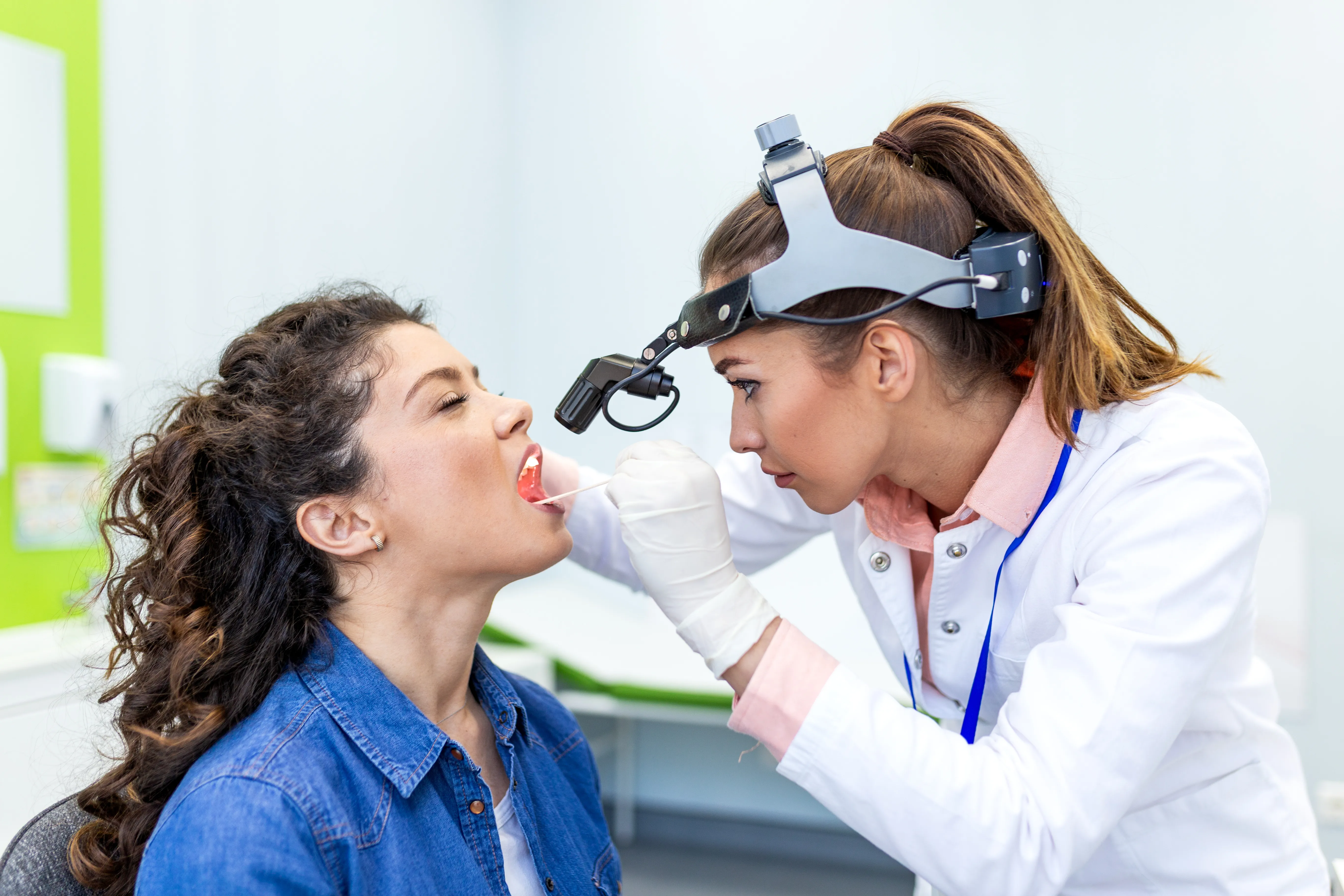
HPV and oral cancer are often discussed together, but the terminology can be confusing. Human papillomavirus can infect the mouth and throat, and persistent infection with certain high-risk HPV types can contribute to cancer in the oropharynx, the back of the throat, including the tonsils and base of the tongue. That is different from many cancers arising in the lips, front of the tongue, gums, cheeks, floor of the mouth, or hard palate.
Most HPV infections clear on their own and never cause cancer. When an infection persists, cancer usually develops only after many years. Understanding the difference between oral-cavity and oropharyngeal cancer, recognizing warning signs, avoiding tobacco, limiting alcohol, considering vaccination with a medical professional, and keeping routine dental visits are practical ways to protect health.
Markham Family Dental Associates includes visual and tactile evaluation of oral tissues during routine dental exams in Harlan, IA. A dental examination does not diagnose every throat cancer or replace medical evaluation, but it can identify visible changes that deserve further attention.
What Is HPV?
HPV is a large family of viruses. Some types cause common skin warts, while other types spread through intimate skin-to-skin contact. Oral HPV can be transmitted through oral sexual contact and possibly through other close contact routes.
Exposure is common. Having HPV does not mean someone has cancer, will develop cancer, or has behaved irresponsibly. In most people, the immune system clears the infection within a year or two. A smaller number of infections persist, and certain high-risk types can cause cellular changes over time.
Because HPV can remain without symptoms, a person may never know when exposure occurred. Conversations about HPV should be factual, private, and free of stigma.
Oral Cavity Versus Oropharynx
The oral cavity includes the lips, inner cheeks, gums, front two-thirds of the tongue, floor of the mouth, hard palate, and the area behind the last molars. The oropharynx includes the tonsils, base or back third of the tongue, soft palate, and back wall of the throat.
This distinction matters because risk factors and disease patterns differ. Tobacco and alcohol are major risk factors for cancers throughout the mouth and throat. HPV is strongly associated with many cancers of the oropharynx, particularly those involving the tonsils and base of the tongue. It is not considered the cause of every oral or head-and-neck cancer.
A patient may casually call any cancer in this region “oral cancer,” but the medical diagnosis identifies the exact site and cell type.
How HPV Can Lead to Oropharyngeal Cancer
High-risk HPV can enter cells in the throat. Most infections are cleared, but a persistent infection can interfere with normal cell-growth controls. Over many years or decades, accumulated changes may lead to cancer.
There is no way to predict with certainty which person with oral HPV will develop cancer. Immune status, tobacco and alcohol exposure, age, and other factors may influence risk. The presence of HPV in a partner or a previous infection does not by itself provide a timeline or prove when transmission occurred.
HPV-positive oropharyngeal cancers can occur in people who have never smoked. This is one reason persistent throat or neck symptoms should not be dismissed simply because a patient lacks traditional tobacco risk.
What Symptoms Need Attention?
Possible warning signs of oropharyngeal cancer include:
- A sore throat that does not go away
- Pain or difficulty swallowing
- Hoarseness or a persistent voice change
- A lump or swollen lymph node in the neck
- One-sided ear pain without an obvious ear problem
- A sensation of something caught in the throat
- Unexplained weight loss
- Persistent tonsil asymmetry or a mass
Possible signs in the oral cavity include a sore that does not heal, a red or white patch, unexplained bleeding, a lump, numbness, persistent pain, or difficulty moving the tongue or jaw.
Most sore throats, ulcers, and swollen glands are not cancer. Duration and pattern matter. Any mouth sore or unexplained change that lasts about two weeks, repeatedly returns in the same place, grows, or appears with a neck lump should be examined.
What Happens During an Oral Cancer Screening?
During a routine dental visit, the clinician reviews health history and risk factors, then inspects the lips, cheeks, gums, tongue, floor of the mouth, palate, and visible throat. The neck and jaw area may be felt for unusual lumps or tenderness.
The examination is quick and generally painless. It is included in our oral cancer screening in Harlan. A screening is not a biopsy and cannot determine whether a suspicious area is cancer. If an abnormality is found, the next step may be short-term follow-up, referral to an oral surgeon or ear-nose-and-throat physician, imaging, or tissue sampling.
Some cancers in the tonsils or base of the tongue are difficult to see during a standard dental examination. Persistent throat symptoms require medical or ENT evaluation even when the front of the mouth looks normal.
Is There a Routine Test for Oral HPV?
There is no routine population screening test used in dental practice to determine whether an asymptomatic person has oral HPV or will develop oropharyngeal cancer. Cervical HPV testing has established medical uses, but it should not be assumed that the same approach applies to the mouth and throat.
Commercial oral HPV tests may detect viral material, yet a positive result cannot reliably predict persistence, precancer, or future cancer. A negative result does not eliminate all future risk. Patients should discuss any proposed test with a qualified medical professional and ask how the result would change care.
How HPV Vaccination Helps
HPV vaccines protect against high-risk virus types that cause several cancers, including types linked to oropharyngeal cancer. Vaccination prevents new infections; it does not treat an existing HPV infection or cancer.
CDC recommendations generally call for routine vaccination at ages 11 or 12, and vaccination can begin at age 9. Catch-up vaccination is recommended through age 26 for people who were not adequately vaccinated. Some adults ages 27 through 45 may decide to vaccinate after a shared discussion with their medical clinician, recognizing that benefit is usually lower after more opportunities for prior exposure.
Parents can discuss the vaccine with their child’s pediatrician or family physician. Dentists can reinforce that HPV vaccination is cancer prevention, but the medical professional responsible for vaccination should answer questions about dosing, contraindications, pregnancy, and individual health history.
Does the Vaccine Encourage Sexual Activity?
The purpose of HPV vaccination is to prevent infection before exposure and reduce future cancer risk. It does not change a child’s behavior, maturity, or family values. Vaccinating at the recommended age allows the immune response to develop before the years when exposure becomes more likely.
Families can frame the vaccine like other preventive healthcare: protection today against diseases that may appear much later.
Tobacco and Alcohol Still Matter
HPV is not the only risk factor for oral and throat cancers. Cigarettes, cigars, pipes, smokeless tobacco, and other tobacco products increase risk. Alcohol also increases risk, and combined tobacco and heavy alcohol exposure is especially concerning.
Stopping tobacco use benefits the mouth, lungs, heart, healing, gum health, and cancer risk. Ask a physician, dentist, or pharmacist about evidence-based cessation support rather than relying on willpower alone.
Vaping is not a proven safe alternative for oral tissues. Products vary, long-term effects continue to be studied, and nicotine can affect dependence and healing.
Can Safer Sexual Practices Reduce HPV Transmission?
Barrier methods such as condoms and dental dams can lower, but not completely eliminate, the chance of HPV transmission because uncovered skin can still carry the virus. Limiting the number of partners may reduce opportunities for exposure, but anyone who is sexually active can encounter HPV.
Partners should not use an HPV-related diagnosis to assign blame. Infection can persist silently for years, and there is usually no reliable way to identify when or from whom it was acquired.
What If I Already Had HPV?
Previous exposure does not mean vaccination has no possible value, because a vaccine may protect against types a person has not encountered. It also does not mean someone needs repeated oral testing or will develop cancer. Discuss age, vaccination history, immune status, and medical risk with a clinician.
Continue routine medical and dental care, avoid tobacco, limit alcohol, and report persistent symptoms. There is no home remedy or supplement proven to clear oral HPV on demand.
What If a Dentist Finds a Suspicious Area?
Do not panic, but do not ignore the recommendation. Many suspicious-looking areas are caused by trauma, infection, inflammation, medication, or benign conditions. The only way to know is appropriate follow-up.
The dentist may document the size and appearance, remove a local irritant, recheck the area after a short interval, or refer immediately based on the findings. A biopsy is the definitive method for diagnosing many lesions.
If a sore or patch is caused by a sharp tooth or broken restoration, restorative treatment may help the tissue heal, but persistent changes still need reassessment.
Oral Health During Cancer Treatment
Surgery, radiation, chemotherapy, and other cancer treatments can affect saliva, taste, swallowing, mouth tissues, jaw movement, and cavity risk. Ideally, patients receive a dental evaluation before treatment begins so infection and unstable teeth can be addressed in coordination with the oncology team.
Radiation involving the salivary glands can cause significant dry mouth. High-fluoride products, meticulous cleaning, diet changes, and frequent follow-up may be recommended. Never begin invasive dental treatment during cancer therapy without coordination among the dentist and medical specialists.
How Families Can Talk About HPV
Use accurate, age-appropriate language. With younger children, the conversation can focus on a vaccine that prevents several future cancers. Teenagers can receive honest information about transmission, consent, barrier protection, and the fact that HPV is common.
Avoid language that labels infection as dirty or shameful. Stigma discourages people from asking questions and seeking care.
When to Schedule Dental or Medical Care
Arrange a dental evaluation for a persistent mouth ulcer, red or white patch, unexplained bleeding, oral lump, numbness, or tongue and jaw movement problem. Contact a physician or ENT specialist for ongoing sore throat, swallowing difficulty, hoarseness, neck mass, unexplained ear pain, or weight loss.
Severe trouble breathing or swallowing requires emergency medical attention. Routine professional cleanings and exams support oral health, but symptoms should not wait for the next scheduled visit.
Prevention and Early Attention Work Together
The most important facts about HPV and oral cancer are that HPV is common, most infections clear, persistent high-risk infection can contribute to oropharyngeal cancer years later, vaccination can prevent new infections, and persistent symptoms deserve evaluation. Tobacco avoidance, moderated alcohol use, routine care, and prompt referral remain important regardless of HPV status.
To schedule an oral cancer screening or discuss a persistent mouth concern with Markham Family Dental Associates, request an appointment or call (712) 755-5342.
People Ask
 Dr. Roy Burkhalter, DDS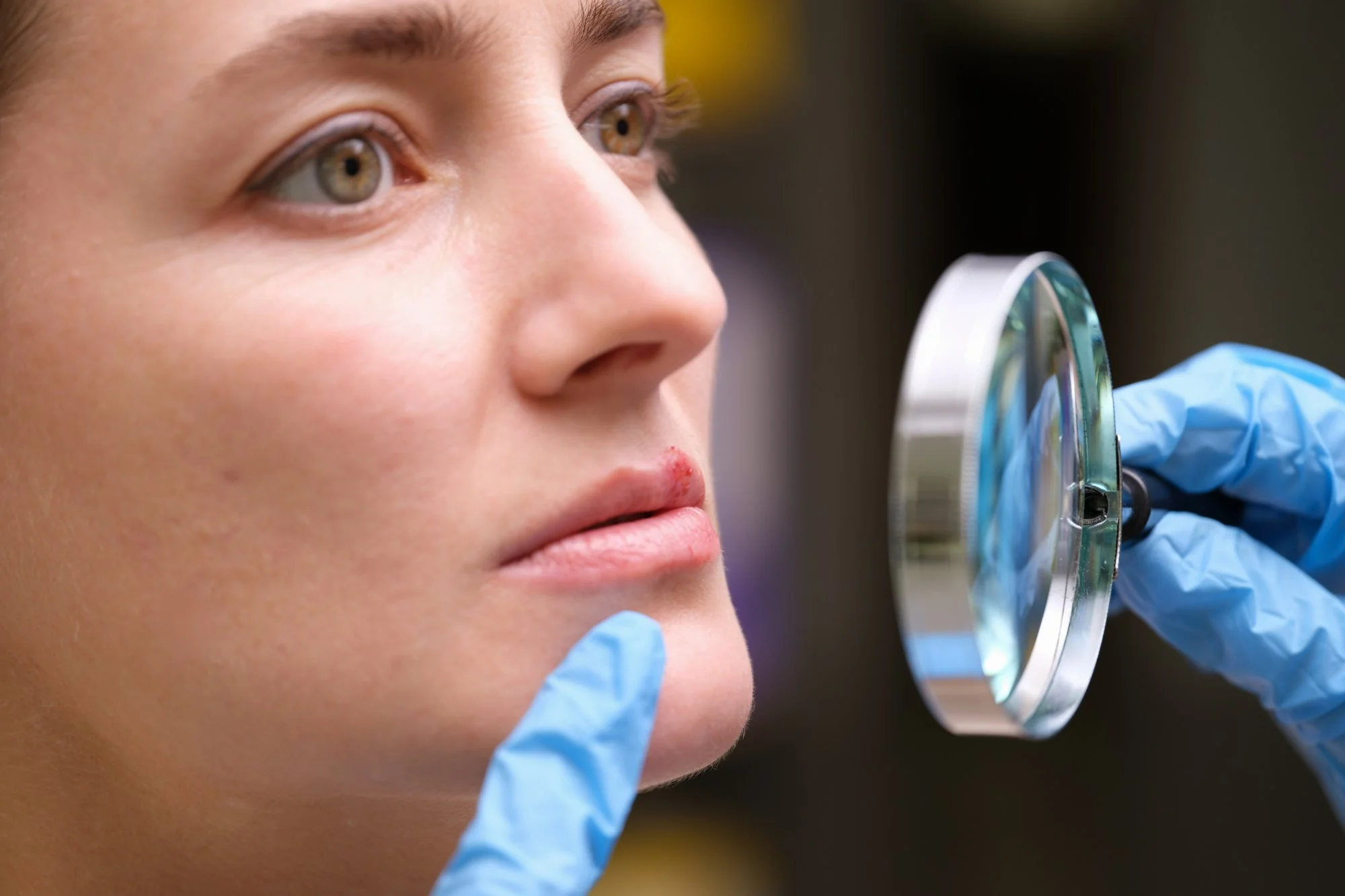


.svg)