


.svg)
.svg)
Contents
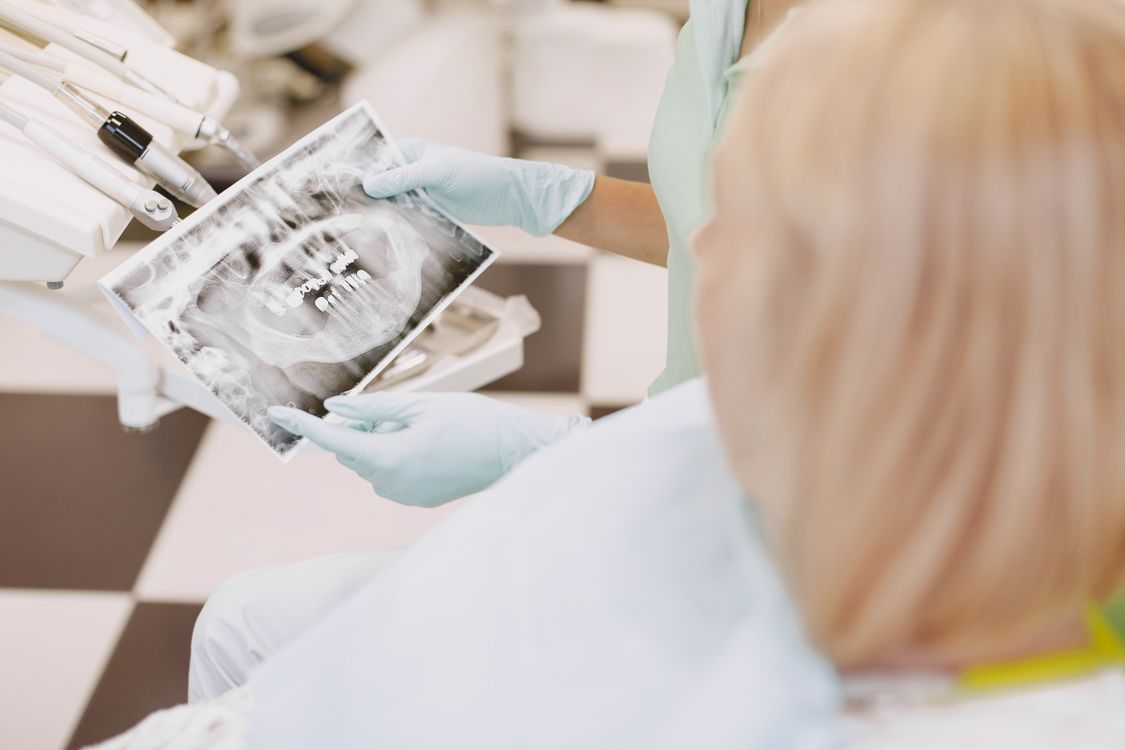
Common wisdom teeth problems fall into a few predictable categories: gum infection around a partially erupted tooth, cavities, damage to the second molar, periodontal defects, cysts, and cleaning problems caused by poor position. Understanding which problem is present is more useful than simply asking whether a wisdom tooth is “impacted.”
Our wisdom teeth removal page covers the extraction process, sedation, and recovery. This article focuses on what can go wrong and how dentists decide between continued monitoring and removal.
Problem 1: Pericoronitis Around a Partially Erupted Tooth
When a wisdom tooth breaks through only part of the gum, a flap of tissue can remain over or beside the crown. Food and bacteria collect underneath, creating inflammation called pericoronitis.
Symptoms can include soreness, swelling, bad taste, difficulty opening, and pain when chewing. Mild episodes may settle temporarily, but repeated infections suggest the tooth is creating an ongoing plaque trap.
Problem 2: A Cavity in the Wisdom Tooth
Third molars are the farthest teeth from the toothbrush and are often difficult to floss. A tooth can be fully erupted yet so far back or angled that it cannot be cleaned predictably.
Some wisdom-tooth cavities can be restored. Others are difficult to access, isolate, or maintain, making extraction a more practical long-term choice.
Problem 3: Decay in the Second Molar
The tooth in front of the wisdom tooth is usually more valuable for chewing and easier to maintain. An angled or partially erupted third molar can create a food trap against its back surface.
That can lead to decay in the second molar, sometimes below the gumline where it is hard to see. Protecting the second molar is one of the strongest reasons to take wisdom-tooth position seriously.
Problem 4: Gum and Bone Loss Behind the Second Molar
A difficult-to-clean wisdom-tooth area can contribute to periodontal inflammation behind the second molar. Over time, loss of attachment or bone can develop in a location that is hard to maintain even after the wisdom tooth is removed.
This risk is evaluated through probing, clinical examination, and imaging when appropriate.
Problem 5: A Cyst Around an Impacted Tooth
Impacted teeth are surrounded by a follicular sac during development. In uncommon cases, a cyst can form and enlarge around the tooth.
A cyst may be discovered on an X-ray before pain occurs. Larger lesions can affect surrounding bone and nearby teeth and need surgical evaluation.
Problem 6: Root Damage to a Neighboring Tooth
An impacted wisdom tooth that is angled into the second molar can sometimes contribute to resorption or other structural damage to the neighboring root.
The goal of monitoring is to identify this kind of change before it threatens a tooth that would otherwise have a good prognosis.
Problem 7: Repeated Food Trapping
Food trapping sounds minor, but if the area cannot be cleaned despite good home care, the repeated plaque accumulation can drive inflammation and decay.
The practical question is whether the anatomy can be maintained over the long term, not whether the patient is trying hard enough.
Problem 8: Pain Without Obvious Infection
Wisdom-tooth pain can come from eruption pressure, inflamed gum tissue, decay, a cracked tooth, or another nearby problem. Jaw pain can also be referred from muscles or the TMJ.
A diagnosis matters because removing a wisdom tooth will not fix pain that is actually coming from another source.
Problem 9: An Unerupted Tooth That Never Causes Disease
Not every impacted tooth becomes a problem. Some remain completely covered and stable without damaging neighboring structures.
When there is no disease and the tooth can be monitored, observation may be reasonable. Monitoring means periodic clinical review and imaging when indicated, not forgetting the tooth exists.
How Dentists Decide Whether to Monitor or Remove
The decision usually considers several factors together:
- Current symptoms.
- History of repeated infection.
- Whether the tooth is fully, partially, or not erupted.
- Angle and position on X-ray.
- Ability to brush and floss the area.
- Cavities in the wisdom tooth or second molar.
- Periodontal health behind the second molar.
- Cystic or other radiographic change.
- Age, medical history, medications, and surgical risk.
- Whether other dental or orthodontic treatment affects the plan.
Why “No Pain” Is Not the Same as “No Problem”
Decay, bone changes, or damage to an adjacent tooth can progress without causing much discomfort. This is why wisdom teeth are often assessed on routine panoramic or other appropriate imaging.
A scheduled dental exam can identify whether the situation is stable or changing.
Why Preventive Removal Is Not a One-Size-Fits-All Rule
Some patients benefit from removal before repeated infection or second-molar damage develops. Others have healthy, well-positioned third molars that can remain.
The strongest recommendation is based on actual anatomy, disease, maintenance difficulty, and future risk, not simply the patient reaching a certain birthday.
What If Only One Wisdom Tooth Is a Problem?
It is possible to remove only the problematic tooth, but the dentist may also evaluate the opposing or contralateral teeth for future risk. The right plan can involve one tooth, two teeth, or all four depending on the findings.
Can Antibiotics Solve a Wisdom-Tooth Problem?
Antibiotics can be appropriate when infection is spreading or systemic symptoms are present, but they do not remove trapped food, improve the tooth angle, restore a cavity, or eliminate a recurrent gum flap.
If anatomy is driving repeated infection, definitive treatment may still be needed after the acute episode settles.
Why Removal Can Become More Complex With Age
Healing, bone density, root development, medical conditions, and medications can change over time. That does not mean every older adult has a difficult extraction, but it is one reason dentists consider the long-term outlook when deciding whether a clearly problematic tooth should be addressed earlier.
When a Wisdom-Tooth Problem Is Urgent
Increasing facial swelling, fever, drainage, severe worsening pain, significant difficulty opening, or trouble swallowing should be evaluated promptly. Breathing difficulty or rapidly spreading neck swelling is an emergency.
Our article Warning Signs of Impacted Wisdom Teeth separates routine, same-day, and emergency symptoms in more detail.
Oral Surgery Is About the Diagnosis Before the Extraction
When removal is recommended, the broader oral surgery evaluation considers tooth position, nearby anatomy, medical history, and sedation needs. The procedure is only one part of the decision.
The Best Wisdom-Tooth Plan Protects the Teeth You Want to Keep
The most important question is not whether a wisdom tooth is present. It is whether that tooth is healthy, maintainable, and compatible with the long-term health of the second molar and surrounding tissues.
Healthy third molars can sometimes stay. Recurrent infection, decay, periodontal damage, cystic change, or injury to the tooth in front shifts the balance toward removal. Regular monitoring keeps that decision based on evidence rather than waiting for an emergency.
People Ask
 Dr. Roy Burkhalter, DDS



.svg)