



.svg)
.svg)
Contents
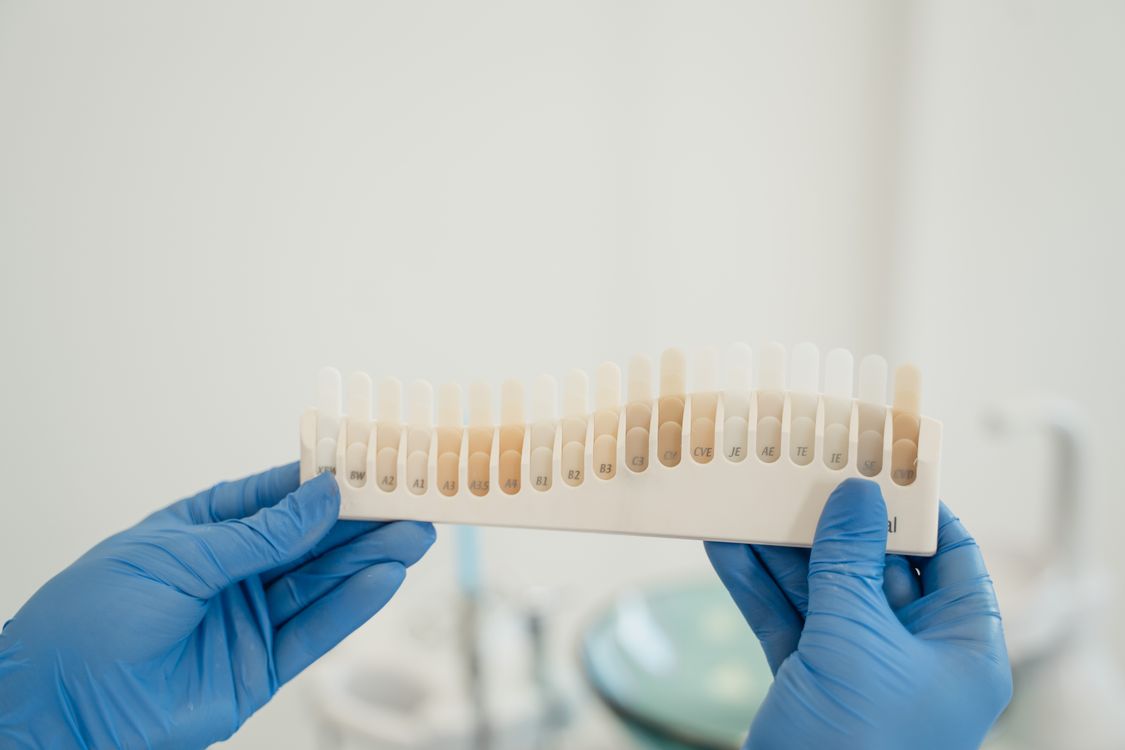
Is coffee damaging your smile? It can affect appearance and, depending on how you drink it, may also influence cavity and enamel risk. But coffee is not automatically a dental disaster. The biggest differences come from frequency, added sugar, acidity, how long the drink stays in contact with teeth, and whether plaque is allowed to sit on the enamel.
This article focuses on how to keep drinking coffee while reducing staining and dental side effects. If your main concern is existing discoloration, our teeth whitening page explains professional options.
Coffee Stains Teeth Because Pigments Attach to Enamel
Coffee contains dark pigments that can accumulate on the outer tooth surface over time. Rougher enamel, plaque buildup, tartar, and microscopic surface irregularities can make stains more noticeable.
These are usually extrinsic stains, which means they are on or near the surface rather than deep inside the tooth. Professional polishing and whitening may help, but preventing repeated exposure is the easiest way to slow recurrence.
How You Drink Coffee Matters More Than One Cup
Finishing a cup with breakfast creates less total contact time than sipping coffee from early morning until lunch. Repeated exposure keeps pigments, and sometimes sugar and acid, in contact with the teeth for hours.
If you want to reduce staining, drink coffee in a defined period, then rinse with water. Constant sipping is usually harder on the smile than the same amount consumed in one sitting.
Sugar Changes the Dental Risk
Black coffee and a sweetened coffee drink are not the same dental exposure. Sugar feeds cavity-causing bacteria, and frequent sipping gives those bacteria repeated opportunities to produce acid.
Syrups, flavored creamers, whipped toppings, and sweetened bottled coffees can turn a beverage habit into a prolonged sugar exposure. Reducing added sugar often matters more for cavity prevention than eliminating coffee itself.
Acidity and Enamel Erosion
Coffee is mildly acidic. By itself, it is generally less erosive than many sodas, energy drinks, and citrus beverages, but frequent exposure can still matter, especially when combined with acid reflux, dry mouth, or other acidic drinks.
Rinse with water after coffee and avoid immediately scrubbing the teeth with a hard toothbrush. Giving saliva time to neutralize acids before brushing is a reasonable approach.
Does Adding Milk Help?
Milk can lighten the color of the drink and may reduce how strongly some pigments contact enamel, but it does not make a sugary coffee harmless. The amount and frequency of added sugar still matter.
Unsweetened milk or cream is different from a flavored creamer with several grams of sugar per serving.
Can a Straw Prevent Coffee Stains?
A straw can reduce contact with the front teeth when drinking iced coffee, but it does not eliminate exposure to the rest of the mouth. It also does not neutralize sugar or acidity.
Think of a straw as a minor stain-reduction tactic, not a substitute for better overall habits.
Why Plaque Makes Coffee Stains Look Worse
Plaque creates a sticky surface that can hold pigments. Tartar is even rougher and cannot be brushed away at home. When stain accumulates on deposits near the gumline, teeth can look dull even if the underlying enamel is relatively bright.
A professional teeth cleaning can remove tartar and many external stains before you decide whether bleaching is even necessary.
What About Whitening Toothpaste?
Whitening toothpaste can help remove some surface stain, but it usually does not dramatically change the internal shade of the tooth. Very abrasive products are unnecessary and can make exposed roots or worn areas more sensitive.
Choose a fluoride toothpaste and focus on twice-daily brushing with gentle pressure.
How to Keep Drinking Coffee With Less Staining
- Drink it over a defined period instead of sipping for hours.
- Rinse with water afterward.
- Limit added sugar and flavored syrups.
- Brush twice daily with fluoride toothpaste.
- Clean between teeth every day.
- Keep regular professional cleanings.
- Avoid tobacco, which compounds staining.
If You Already Have Coffee Stains
Start with a cleaning if it has been a while. If the teeth are healthy and still look darker than you want, whitening may be appropriate.
For broader whitening guidance, see Best Tips to Make Your Teeth Look Whiter. If you are deciding between store-bought and dentist-supervised systems, read OTC Whitening vs. In-Office Whitening.
Coffee Is Usually a Habit to Manage, Not a Habit You Must Eliminate
The biggest threats to your smile are usually not one morning cup of coffee. They are prolonged exposure, heavy sugar, poor plaque control, tobacco, and letting stain accumulate for years without professional cleaning.
With reasonable habits, many coffee drinkers can maintain healthy teeth and a bright smile without giving up coffee entirely.
People Ask
 Dr. Roy Burkhalter, DDS


.svg)