


.svg)
.svg)
Contents
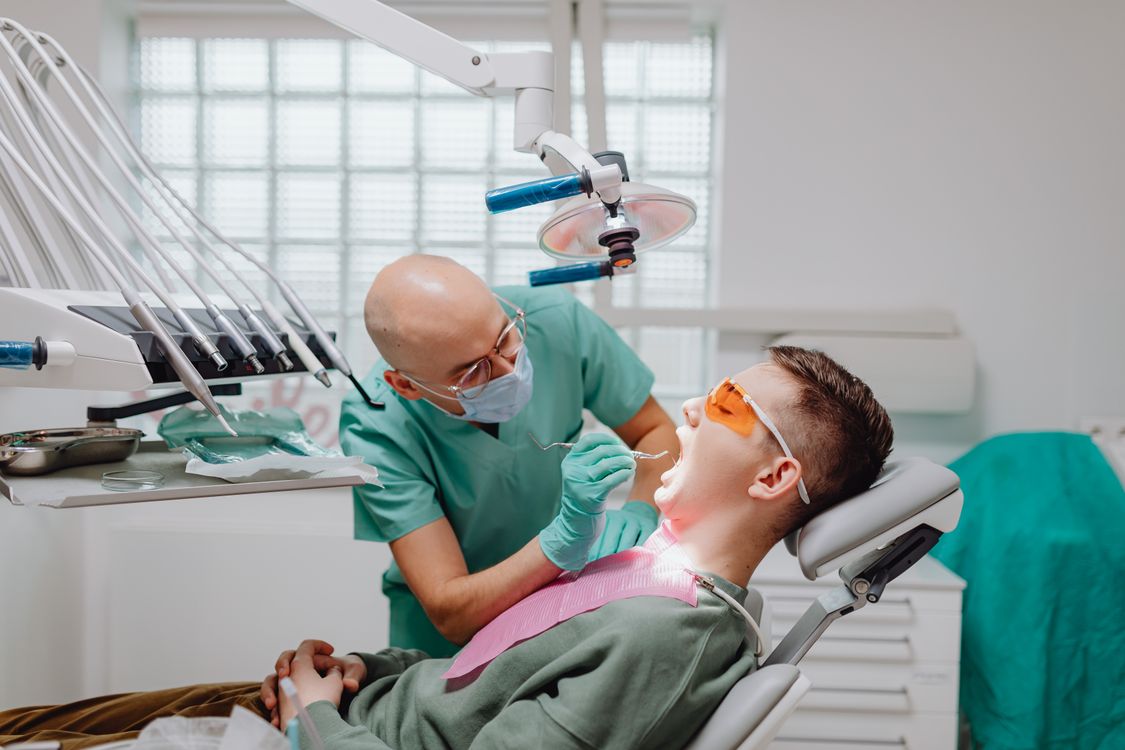
Quit smoking to save your smile is more than a slogan. Tobacco use changes the gums, saliva, oral tissues, healing response, tooth color, and risk of oral cancer. Quitting cannot instantly reverse every problem that developed while smoking, but it removes one of the strongest modifiable risk factors in dentistry.
This article takes a different angle from a general tobacco-warning page: it explains what can improve after quitting, what may take time, and what damage may still require dental treatment.
Smoking Changes the Gums in Ways You May Not Notice
Smokers have a substantially higher risk of periodontitis. Tobacco exposure affects immune response, blood flow, bacterial ecology, and healing. It can also reduce obvious gum bleeding, which means significant periodontal disease may be present without dramatic early warning signs.
If you smoke and your gums “never bleed,” that is not proof they are healthy. Periodontal measurements and X-rays are more reliable than symptoms alone.
What Happens to Gum Risk After You Quit?
Quitting removes ongoing tobacco exposure and allows the tissues to respond more normally. Over time, former smokers generally have a lower periodontal risk than people who continue smoking, although the improvement is not instantaneous and previous bone loss does not simply grow back.
The benefit is especially important when quitting is combined with professional periodontal treatment and effective daily plaque control.
If you already have deep pockets or bone loss, our periodontal gum disease therapy page explains how active disease is treated and maintained.
Bleeding Can Increase After Quitting, and That Can Be Misleading
Some former smokers are surprised when the gums appear to bleed more after quitting. This does not necessarily mean quitting made the gums worse. As tobacco-related effects on blood flow change, existing inflammation can become more clinically visible.
Persistent bleeding still needs evaluation. The right response is not to restart smoking or stop cleaning the area; it is to have the gums assessed and treat the underlying inflammation.
Healing Improves When Tobacco Exposure Stops
Smoking is associated with slower and less predictable healing after extractions, periodontal procedures, implants, and other oral surgery. Nicotine and other tobacco-related exposures can affect blood vessels, immune function, and tissue repair.
Stopping tobacco before and after treatment gives the body a better healing environment. The ideal timing depends on the procedure and the patient’s medical situation, but every period without tobacco is preferable to continued exposure.
What About Dental Implants?
Smoking increases the risk of implant complications and peri-implant disease. Quitting does not guarantee implant success, but it removes a significant controllable risk factor.
Patients considering implants should be open about current tobacco and nicotine use. That information helps the dentist discuss prognosis, healing, maintenance, and whether additional risk-reduction steps are needed.
Bad Breath Can Improve
Tobacco smoke leaves odor in the mouth and can contribute to dry mouth and periodontal disease, both of which can worsen breath. After quitting, tobacco odor is removed, but persistent halitosis may continue if tartar, gum disease, tongue coating, dry mouth, decay, or another condition is present.
A professional teeth cleaning can remove tartar and many surface deposits that brushing cannot.
Surface Stains May Improve, but Teeth Do Not Automatically Turn White
Smoking can produce yellow, brown, or dark surface staining. Professional cleaning may remove a significant amount of external stain after quitting.
However, natural tooth color, internal discoloration, enamel wear, and existing restorations may still affect the appearance of the smile. If teeth remain darker after cleaning and the mouth is healthy, professional whitening may be considered.
Taste and Smell May Become More Noticeable
Tobacco exposure can dull taste and smell. Many people notice sensory improvement after quitting, though the timing varies.
A stronger sense of taste can also help reinforce healthier food choices and make oral hygiene feel more rewarding because the mouth feels cleaner and fresher.
Dry Mouth May Improve, but Not Always
Smoking can contribute to oral dryness and irritation. Quitting may improve comfort, but dry mouth can have many other causes, including medications, diabetes, dehydration, autoimmune disease, mouth breathing, and cancer treatment.
If dryness continues, mention it during a dental visit. Persistent low saliva increases the risk of cavities and can make dentures, swallowing, and speaking less comfortable.
Oral Cancer Risk Falls After Quitting, but Screening Still Matters
Tobacco is a major risk factor for cancers of the mouth and throat. Quitting reduces future exposure and lowers risk over time, but former smokers should still report persistent sores, red or white patches, lumps, swallowing difficulty, unexplained hoarseness, or neck masses.
Our oral cancer screening is part of routine dental evaluation and helps identify visible or palpable changes that need follow-up.
Smokeless Tobacco Is Not a Safe Dental Substitute
Chewing tobacco and snuff expose oral tissues to carcinogens and can contribute to localized gum recession, tooth wear, staining, and tissue changes where the product is held.
Switching from cigarettes to smokeless tobacco does not remove oral-health risk. Evidence-based cessation support is a better long-term strategy.
What About Vaping?
Vaping avoids some combustion products found in cigarettes, but that does not make it harmless to oral tissues. Nicotine dependence, dry mouth, irritation, and uncertain long-term effects remain concerns.
If the goal is to reduce health risk, discuss cessation strategies with a medical clinician rather than assuming long-term vaping is a risk-free endpoint.
What Damage May Not Reverse on Its Own?
Quitting removes an important driver of disease, but it does not automatically repair every consequence of prior tobacco use. Existing periodontal bone loss, cavities, broken teeth, recession, missing teeth, and failed restorations may still require treatment.
This is why quitting works best as part of a broader recovery plan: remove tobacco exposure, treat active disease, restore damaged teeth when needed, and establish a maintenance schedule.
Your First Dental Visit After Quitting
A useful post-cessation dental visit may include:
- Updated periodontal measurements.
- A professional cleaning to remove tartar and surface stain.
- Review of dry mouth and sensitivity.
- Oral cancer screening.
- Evaluation of cavities, recession, and broken restorations.
- A home-care plan tailored to your current gum health.
A comprehensive dental exam can establish a new baseline and identify which changes are simply cosmetic and which need treatment.
Quitting Helps Even If You Already Have Gum Disease
It is never “too late” to remove tobacco as a periodontal risk factor. People with existing periodontitis still benefit from cessation because treatment and maintenance are being asked to work in a healthier environment.
For more on why smoking is such an important periodontal risk, read The Most Common Causes of Gum Disease.
Use Support Instead of Willpower Alone
Nicotine dependence is a medical issue, and quitting can require more than motivation. Evidence-based options may include counseling, quitlines, prescription medications, or nicotine-replacement therapy depending on individual health history.
Your physician or pharmacist can help choose an approach that fits your medical needs. The dental team can reinforce progress and show the oral changes that improve over time.
The Bottom Line
Quitting smoking reduces an important ongoing threat to the gums, healing, implants, oral tissues, and long-term tooth retention. Some improvements can begin relatively quickly, while periodontal recovery and risk reduction take longer. Damage that already occurred may still require treatment, but stopping tobacco improves the conditions for that treatment to succeed.
People Ask
 Dr. Roy Burkhalter, DDS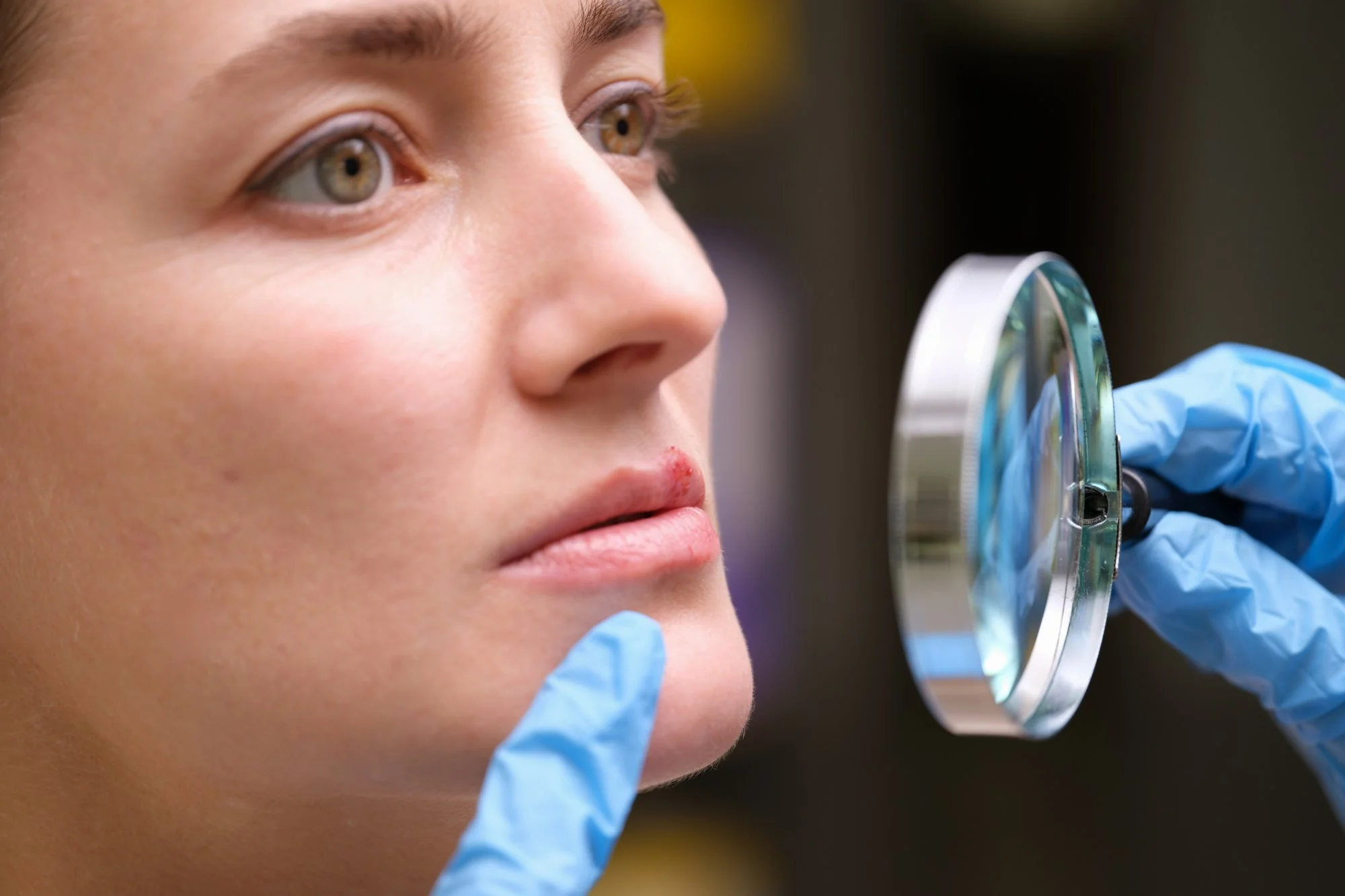



.svg)