



.svg)

.svg)
Contents
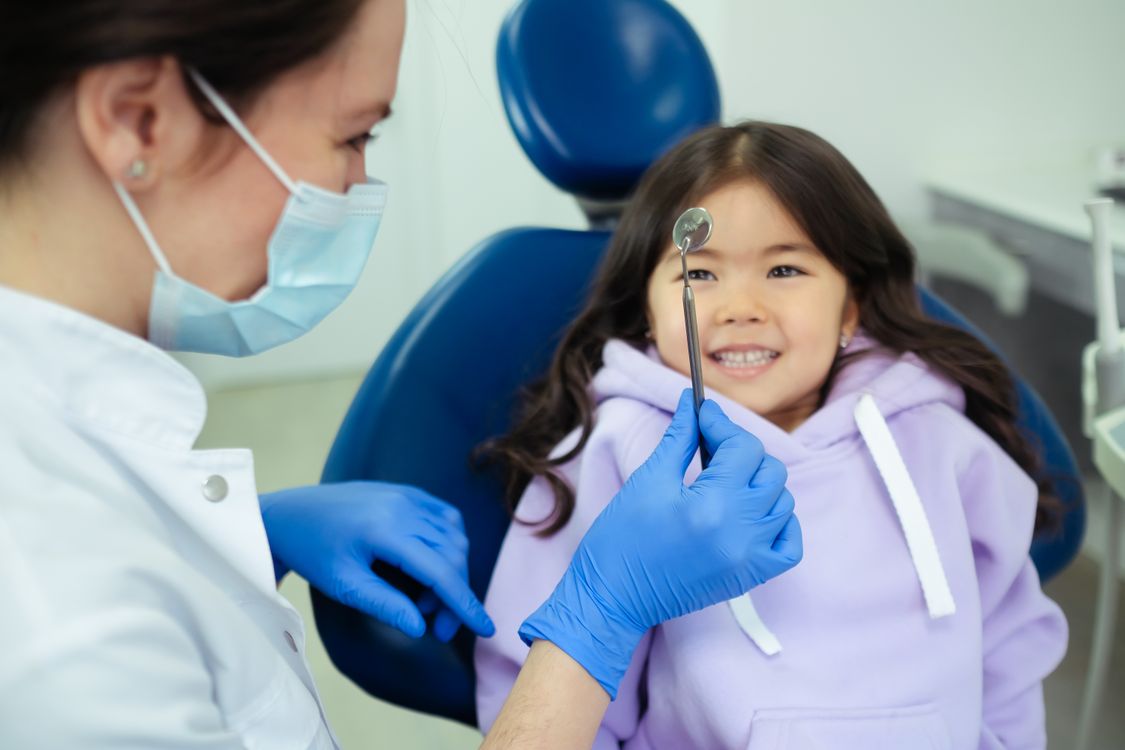
Should children use whitening products? Usually not without a dentist first figuring out why the teeth look darker, spotted, or uneven. Children and teenagers are still going through tooth eruption, enamel maturation, orthodontic changes, and normal differences between primary and permanent teeth. A color concern that looks like “staining” to a parent may actually be plaque, enamel development, a cavity, trauma, fluorosis, or simply a newly erupted permanent tooth beside a whiter baby tooth.
That makes whitening in younger patients a diagnosis-first decision, not a beauty-product decision. Our family dentistry team can evaluate tooth color in the context of age, eruption, cavities, sensitivity, and oral hygiene before any bleaching is considered.
Baby Teeth and Permanent Teeth Are Naturally Different Colors
Parents often notice that a child’s new adult teeth look more yellow than the baby teeth beside them. That can be normal. Primary teeth are typically very light, while permanent teeth contain more dentin and may look warmer or more yellow.
Once more permanent teeth erupt, the contrast often becomes much less noticeable. Whitening a newly erupted tooth simply because it looks darker than a neighboring baby tooth may treat a normal developmental difference that would have looked balanced later.
First Ask Why the Tooth Looks Different
Before considering whitening, determine whether the concern is external stain or a change within the tooth. Common possibilities include:
- Plaque or tartar buildup.
- Food or beverage staining.
- Enamel defects or white spots.
- Early decay.
- Fluorosis.
- Trauma to a front tooth.
- Medication-related discoloration during tooth development.
- A root canal or nerve change in a previously injured tooth.
- Normal color differences between primary and permanent teeth.
A dental exam can sort these possibilities out before a whitening product masks the appearance temporarily or makes sensitivity worse.
Why Young Teeth Can Be More Sensitive to Whitening
Peroxide-based whitening works by moving through enamel and dentin to break down colored molecules. Temporary sensitivity can occur in adults, and younger patients can also experience sensitivity or gum irritation if the product is too strong, used too long, or fits poorly.
Children may also be less consistent about following wear-time instructions. More gel, longer wear, or repeated applications do not guarantee a better result and can increase irritation.
Whitening Toothpaste Is Not the Same as Bleaching
Many toothpastes labeled “whitening” mainly remove surface stain through polishing ingredients. They usually do not dramatically change the internal color of teeth.
A fluoride toothpaste that removes surface stain may be appropriate for many older children or teens when used as directed, but very abrasive products are not necessary. Charcoal powders, acidic DIY mixtures, and aggressive scrubbing can damage enamel or irritate gums.
What About Whitening Strips for Teenagers?
Whitening strips are designed for consumer use, but age recommendations vary by product. A teenager should not simply copy an adult whitening routine without considering whether all visible permanent teeth have erupted, whether braces or retainers are involved, and whether there is active decay or sensitivity.
For an older teen with healthy permanent teeth and a clear cosmetic concern, a dentist may decide that a carefully selected at-home or dentist-supervised whitening option is reasonable. The decision is individualized.
Braces Can Make Whitening Uneven
Whitening while fixed braces are on the teeth can create uneven exposure because the area under each bracket is covered. After braces come off, differences in plaque, enamel mineralization, and stain can also create a patchy appearance.
It is usually more useful to focus on excellent hygiene during orthodontic treatment and reassess tooth color after the brackets are removed and the enamel has been examined.
White Spots Need a Diagnosis, Not More Whitening
White spots can come from early enamel demineralization, fluorosis, developmental changes, or other causes. Bleaching the surrounding enamel may change the contrast, but it does not treat the underlying cause.
If white spots appear around areas where braces were attached, they may represent mineral loss associated with plaque accumulation. Prevention and remineralization strategies may be more important than trying to make the whole tooth whiter.
A Dark Tooth After an Injury Is Different
Children and teenagers frequently injure front teeth during sports, falls, or play. A tooth that becomes gray or noticeably darker after trauma needs evaluation. The color change may reflect changes in the pulp inside the tooth.
That is not a situation for store-bought whitening. The dentist may need X-rays, vitality testing, or follow-up over time to determine whether the tooth is healthy.
Sometimes a Cleaning Is All That Is Needed
Teeth can look dull because of plaque, tartar, or surface stain rather than because the enamel itself needs bleaching. A professional cleaning can remove deposits that home brushing cannot.
This is especially relevant for teenagers with braces, crowded teeth, inconsistent brushing, or frequent dark beverages. Improving hygiene may make the smile look brighter without any bleaching agent.
What Parents Can Do Safely at Home
- Help younger children brush twice daily with fluoride toothpaste.
- Make sure brushing reaches the gumline and back teeth.
- Clean between teeth daily when contacts are closed.
- Limit frequent sugary and acidic drinks.
- Use water as the main between-meal drink.
- Avoid charcoal, lemon juice, vinegar, and other DIY whitening methods.
- Ask about discoloration at routine dental visits rather than treating it first.
When Whitening May Be Considered
Whitening may be considered for an older adolescent when the permanent teeth are sufficiently erupted, the mouth is healthy, the discoloration is appropriate for bleaching, and the patient is mature enough to follow directions.
In that situation, dentist guidance can help select a concentration and schedule that limit sensitivity and protect the gums. Our teeth whitening service is designed around evaluating the teeth before choosing a whitening approach.
When Whitening Is the Wrong Tool
Bleaching is not the right solution for cavities, enamel defects, untreated trauma, heavy plaque, active gum inflammation, or restorations that do not match. It also does not straighten teeth or repair chips.
The priority for children and teenagers is healthy development. Cosmetic treatment can be considered when it solves a real concern without sacrificing enamel or distracting from a condition that needs treatment first.
The Main Takeaway for Parents
If your child says their teeth look yellow, do not dismiss the concern, but do not automatically reach for whitening strips either. Start by identifying whether the color is normal, external stain, a hygiene issue, or a dental condition.
Once the cause is clear, the safest option may be reassurance, better plaque control, a professional cleaning, treatment of a dental problem, or, in selected older teens, carefully supervised whitening.
People Ask
 Dr. Roy Burkhalter, DDS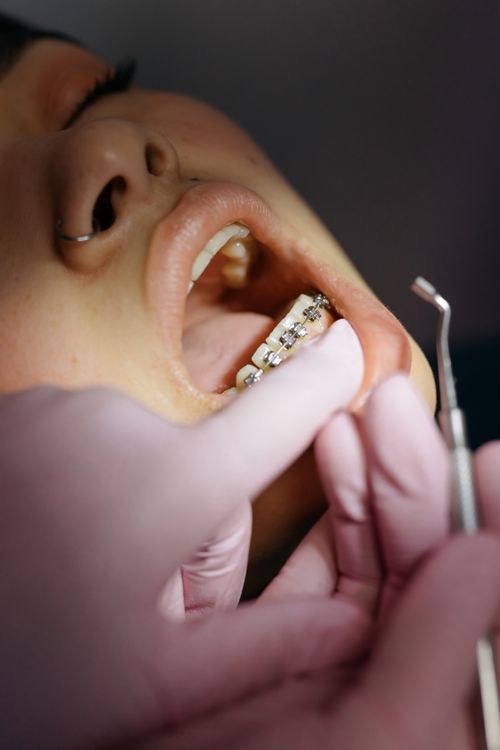


.svg)