


.svg)
.svg)
Contents
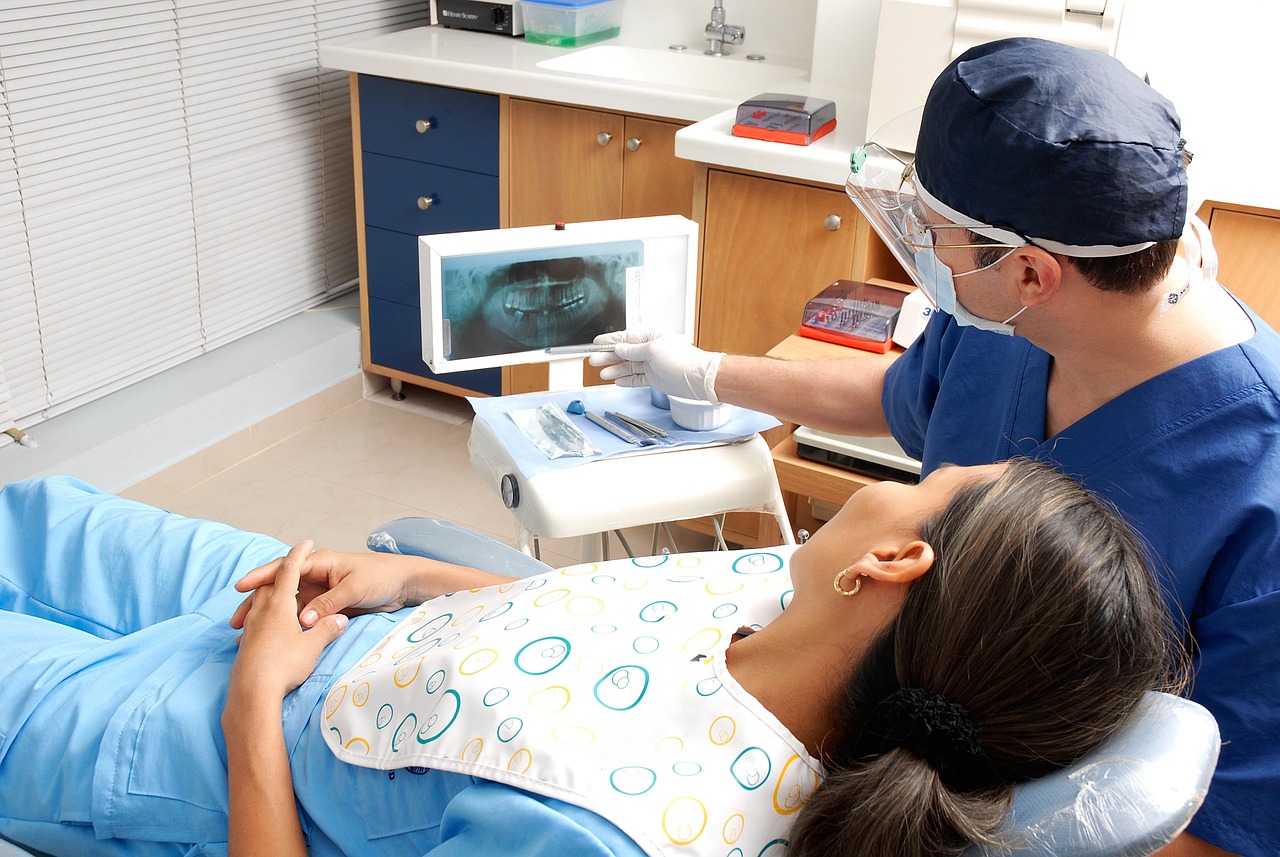
Fun facts for the Fourth can be more useful than trivia when they correct dental myths people carry for years. In honor of July 4, here are four big oral-health facts—plus a few bonus ones—that explain why cavities happen, why enamel is different from bone, why saliva matters, and why a knocked-out permanent tooth is a true time-sensitive injury.
Fact 1: Tooth Enamel Is Not Bone
Teeth and bones are both mineralized tissues, but enamel is a highly specialized structure that does not heal the way bone does.
When enamel is physically lost from a fracture, wear, or advanced erosion, the body does not simply grow it back. Very early mineral loss can sometimes be remineralized before a cavity becomes a hole, but missing enamel structure itself is not regenerated.
Why That Matters
It explains why prevention is so valuable. Fluoride, saliva, plaque control, and diet can help protect and remineralize vulnerable enamel before structural damage becomes irreversible.
Once a true cavity forms, the tooth may need a restoration to replace the lost structure.
Fact 2: Cavities Are About Frequency, Not Just “How Much Sugar”
Dental plaque bacteria use fermentable carbohydrates and produce acids. Every exposure can lower the pH around the tooth for a period of time.
That means drinking one sweet beverage with lunch is different from taking a sip every ten minutes for three hours. The total sugar may be similar, but the second pattern creates repeated acid challenges.
Our summer drinks article explains why all-day sipping is such an important habit to change.
Fact 3: Saliva Is One of Your Mouth’s Best Defense Systems
Saliva is not just moisture. It helps wash away food, buffer acids, lubricate tissues, and supply minerals that support enamel remineralization.
This is why persistent dry mouth can cause cavity risk to increase dramatically even when a person’s brushing routine has not changed.
Dry Mouth Is Often More Than “Not Drinking Enough Water”
Dehydration can contribute, but medications, medical conditions, cancer treatment, nicotine use, and other factors can reduce saliva.
If your mouth is consistently dry—especially if cavities have become more frequent—mention it at a dental exam.
Fact 4: A Knocked-Out Permanent Tooth Can Sometimes Be Replanted
When a permanent tooth is completely knocked out, fast action can improve the chance of saving it. Handle the tooth by the crown, not the root. If it is dirty, rinse gently without scrubbing.
If it can be safely placed back into the socket, that may be appropriate. Otherwise keep it moist in milk or a tooth-preservation solution and seek immediate dental treatment.
A knocked-out baby tooth should not be reinserted.
Bonus Fact: Toothbrush Bristles Cannot Fully Clean Tight Contacts
Even excellent brushing leaves surfaces between neighboring teeth that bristles do not fully reach. That is why daily interdental cleaning remains part of preventive care.
Floss, interdental brushes, water flossers, and specialty tools can all be useful depending on the mouth.
Bonus Fact: Bleeding Gums Are Not “Normal for Me”
Gums can bleed from overly aggressive cleaning, but persistent bleeding commonly reflects inflammation from plaque.
Bleeding that continues, occurs spontaneously, or comes with swelling, recession, bad breath, or loose teeth deserves evaluation rather than being accepted as a permanent trait.
Bonus Fact: A Tooth Can Have a Problem Without Hurting
Early cavities, gum disease, cracks, failing restorations, and impacted teeth can be quiet.
Pain is a useful warning sign when it appears, but it is not a reliable screening test for oral health.
Bonus Fact: Whitening Does Not Change Crowns or Fillings
Peroxide-based bleaching changes the color of natural tooth structure. Crowns, veneers, fillings, and bonding do not bleach the same way.
This is why whitening should be planned around visible restorations when shade matching matters.
Bonus Fact: Harder Brushing Is Not Better Brushing
More force does not automatically remove more plaque. A soft-bristled brush, correct placement, and enough time are more useful than aggressive scrubbing.
Repeated heavy pressure can irritate gums and contribute to abrasion in susceptible areas.
Bonus Fact: Fluoride Does More Than “Coat” Teeth
Fluoride supports remineralization and helps make enamel more resistant to acid challenges. It is one reason fluoride toothpaste is recommended for routine cavity prevention.
Patients with higher cavity risk may also benefit from professional fluoride based on their individual history.
Bonus Fact: Diet Soda Can Still Be Acidic
Removing sugar lowers one part of cavity risk, but many sugar-free soft drinks remain acidic. That means sugar-free does not necessarily mean enamel-neutral.
Again, frequency matters. Water remains the simplest drink between meals.
Bonus Fact: Mouthwash Cannot Mechanically Remove Plaque
Rinses can deliver fluoride, freshen breath, or support specific treatment plans, but swishing liquid is not the same as physically disrupting an established plaque layer.
Brushing and interdental cleaning remain the foundation.
Bonus Fact: Dental Emergencies and Medical Emergencies Overlap Sometimes
A broken tooth usually belongs with a dentist. Significant head injury, uncontrolled bleeding, breathing difficulty, major facial trauma, or rapidly spreading swelling may need emergency medical care first.
Markham’s emergency dentistry page explains how to triage common situations.
Four Facts Worth Remembering After the Fireworks
- Enamel does not regenerate like bone.
- Frequent sugar and acid exposure matters, not just total quantity.
- Saliva is a major protective system.
- A knocked-out permanent tooth is time-sensitive.
Good Dental Science Is Usually Less Dramatic Than Dental Myths
There is no single food that destroys teeth instantly and no gadget that replaces consistent cleaning. Oral health is mostly the result of repeated exposures, daily plaque control, saliva, fluoride, individual risk factors, and timely professional care.
Those facts are not flashy, but they are useful long after July 4 is over.
People Ask
 Dr. Roy Burkhalter, DDS



.svg)