


.svg)
.svg)
Contents
Memorial Day is the unofficial start of summer for many families: road trips, grilling, swimming, sports, cold drinks, and long afternoons outside. It is also a useful moment to reset a few dental habits before the season gets busy.
This is not another generic holiday food list. Think of it as a summer-kickoff dental checklist: what to pack, what to avoid turning into an all-day habit, how to protect teeth during recreation, and what to do if a dental problem interrupts the weekend.
1. Make Water the Default Cooler Drink
Hot weather makes frequent sipping more likely. If the drink contains sugar or is strongly acidic, that can create repeated exposure across several hours.
Pack plenty of cold water and use it as the default between meals. Soda, sports drinks, lemonade, and sweet tea are easier on teeth when they are consumed in a defined period rather than carried around all afternoon.
Our summer drinks guide explains why frequency matters as much as the drink itself.
2. Do Not Chew the Ice
Ice feels harmless because it melts, but biting hard cubes can chip enamel, fracture a filling, or trigger a crack in a weakened tooth.
If you like a cold drink, let the ice do its job in the cup. Teeth are for food, not for testing how hard frozen water is.
3. Be Careful With Hard Picnic Foods
Popcorn kernels, hard candy, bones, unpopped corn, and nutshells can fracture teeth or dental restorations. A holiday weekend is a bad time to discover that an old filling was already close to failing.
Chew deliberately and do not use your teeth to crack shells, open packages, or tear bottle caps.
4. Sticky Barbecue Sauces Are About Frequency, Too
Many sauces, glazes, ketchup-based condiments, desserts, and sweet marinades contain sugar. They do not need to be banned from the cookout.
It is more useful to keep eating to a defined meal than to graze on sweet or starchy foods continuously. Water after the meal helps rinse the mouth until normal brushing time.
5. Bring a Toothbrush if the Weekend Includes Travel
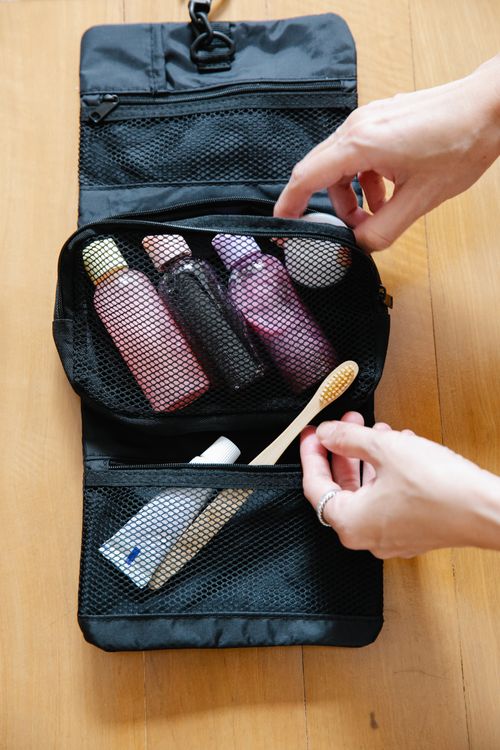
A one-night trip is enough for routines to disappear. Pack a soft-bristled toothbrush, fluoride toothpaste, and your normal interdental-cleaning tool before leaving home.
If several people share a bathroom bag, keep toothbrush heads from pressing against one another and do not share brushes.
6. Protect Teeth During Sports and Outdoor Activities
Memorial Day weekends often include baseball, basketball, biking, skateboarding, watersports, and other activities where falls or impacts can injure the mouth.
If the activity has meaningful risk of facial impact, use the appropriate protective equipment. A properly fitted sports mouthguard can reduce dental injury risk in many activities.
7. Know What to Do With a Knocked-Out Permanent Tooth
If a permanent tooth is completely knocked out, handle it by the crown rather than the root. Rinse it gently if dirty without scrubbing. If it can be safely reinserted, that may be appropriate; otherwise keep it moist in milk or a tooth-preservation solution and seek immediate dental care.
Do not reinsert a knocked-out baby tooth.
Markham’s emergency dentistry page explains urgent dental injuries and when hospital-level care is appropriate.
8. Save Broken Tooth Pieces
If a tooth chips or fractures, save any fragment you can find, rinse the mouth gently, and avoid chewing on that side. A small chip may not be an immediate emergency, but deeper fractures can expose sensitive tooth layers.
Call the dental office for triage rather than guessing based only on pain.
9. Do Not Ignore Swelling Because It Is a Holiday
Dental infections do not follow holiday schedules. Increasing facial swelling, fever with dental pain, drainage, severe worsening pain, or significant difficulty opening the mouth deserves prompt attention.
Difficulty breathing or swallowing can indicate a serious spreading infection and requires emergency medical evaluation.
10. Avoid Using Teeth as Tools
Opening bags, cutting fishing line, loosening knots, and removing bottle caps with teeth can create sudden fractures. The front teeth are especially vulnerable because the force may be concentrated on a small edge.
Pack scissors, a bottle opener, and the right tools instead.
11. Swimming Pool Water Is Not a Reason to Stop Swimming
Normal recreational swimming is not a dental problem. The practical concern is repeated mouth exposure to pool water in certain high-exposure situations or poorly maintained pools.
If a competitive swimmer notices new roughness, staining, or sensitivity, mention the exposure history at the next dental visit rather than self-treating the enamel.
12. Sunscreen Belongs on the Lips Too
The lips receive substantial sun exposure during outdoor activities. Use an appropriate lip product with sun protection and reapply according to product directions.
Persistent sores, crusted areas, color changes, or lip lesions that do not heal should be examined rather than repeatedly covered with balm.
13. Keep Nicotine and Tobacco Out of the “Summer Habit” Category
Holiday gatherings can make occasional smoking, vaping, or smokeless-tobacco use feel easy to normalize. Tobacco exposure is associated with gum disease, oral cancer risk, staining, delayed healing, and other oral-health problems.
If quitting is already a goal, a long weekend is not a reason to suspend it.
14. Schedule Overdue Care Before the Summer Calendar Fills
If you are overdue for preventive care, Memorial Day can be a good calendar reminder to schedule rather than waiting until fall.
A routine dental exam can identify a cavity, crack, gum problem, or failing restoration before travel and summer activities make timing more difficult.
A Memorial Day Dental Checklist
- Pack water as the main cooler drink.
- Do not chew ice or hard objects.
- Bring a toothbrush, fluoride toothpaste, and interdental cleaner when traveling.
- Use sports protection for activities with facial-impact risk.
- Know how to respond to a knocked-out permanent tooth.
- Save broken tooth fragments.
- Seek prompt help for spreading swelling or severe pain.
- Use the holiday as a reminder to schedule overdue preventive care.
Start Summer With Fewer Dental Surprises
Most Memorial Day weekends pass without a dental emergency. The point of preparation is to keep a small inconvenience from becoming a major disruption.
Pack the basics, make water easy to reach, protect teeth during recreation, and know what symptoms should not wait. That is a much more useful summer tradition than trying to follow a perfect holiday diet.
People Ask
 Dr. Roy Burkhalter, DDS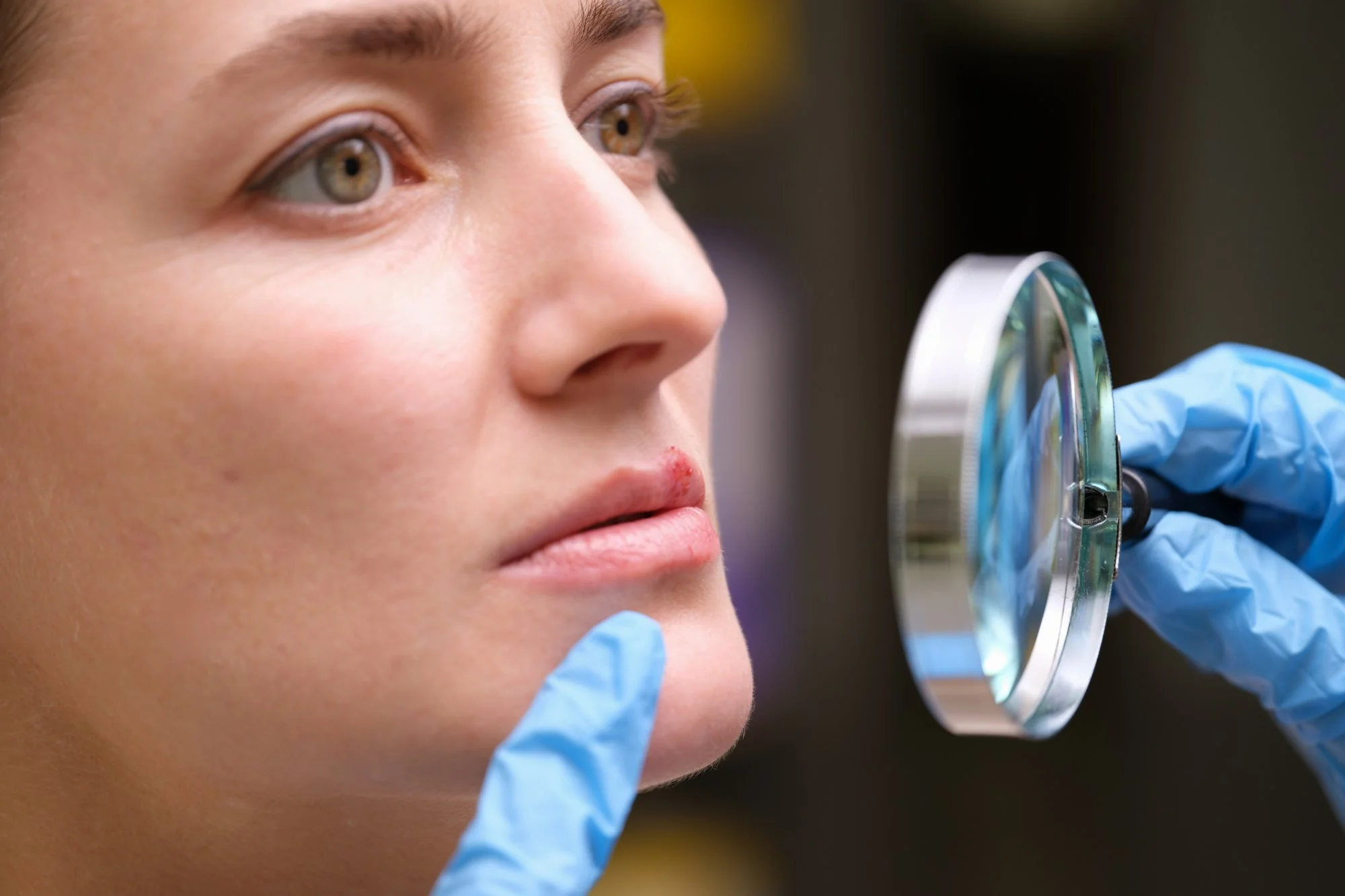



.svg)