



.svg)
.svg)
Contents
Quick answer: Tooth sensitivity — also called dentin hypersensitivity — is a short, sharp pain triggered by cold, hot, sweet, or acidic foods when the dentin beneath your enamel becomes exposed. It affects an estimated ‹TBD›% of adults and can usually be managed with desensitizing toothpaste, in-office treatments, or both, depending on the underlying cause.
Reviewed by ‹Named Dentist — TBD›, ‹Credentials›. Last reviewed: ‹Date›. This page is for general educational purposes only and does not constitute a diagnosis or treatment recommendation. Please consult a licensed dentist for advice specific to your situation.
What Is Tooth Sensitivity?
Sensitive teeth cause sharp, brief pain when dentin — the porous layer beneath your tooth enamel — is no longer protected. The American Dental Association classifies this condition as dentin hypersensitivity when the pain is reproducible (meaning it's triggered predictably by the same stimuli) and short in duration.
Dentin hypersensitivity is one of the most common complaints in dental offices. Research published in ‹PubMed citation — TBD› estimates that it affects ‹TBD›% of adults globally, with higher rates among people aged 20–50. Despite how common it is, many patients live with it for months before seeking care — often because the pain passes quickly and they assume it's normal.
It isn't something you have to accept. Most cases respond well to treatment once the cause is identified.
What Causes Sensitive Teeth?
Sensitive teeth develop when dentin — the layer beneath enamel and cementum — becomes exposed to the oral environment. The causes vary, but the underlying mechanism is consistent: something has compromised the protective outer layer of the tooth. Here are the most common reasons that happens.
Enamel Erosion
Enamel erosion removes the hard outer shell of the tooth, bringing dentin closer to the surface. Acidic foods, acid reflux, and certain medications are common contributors. Once enamel is gone, it doesn't regenerate — which is why protecting what you have matters.
Gum Recession
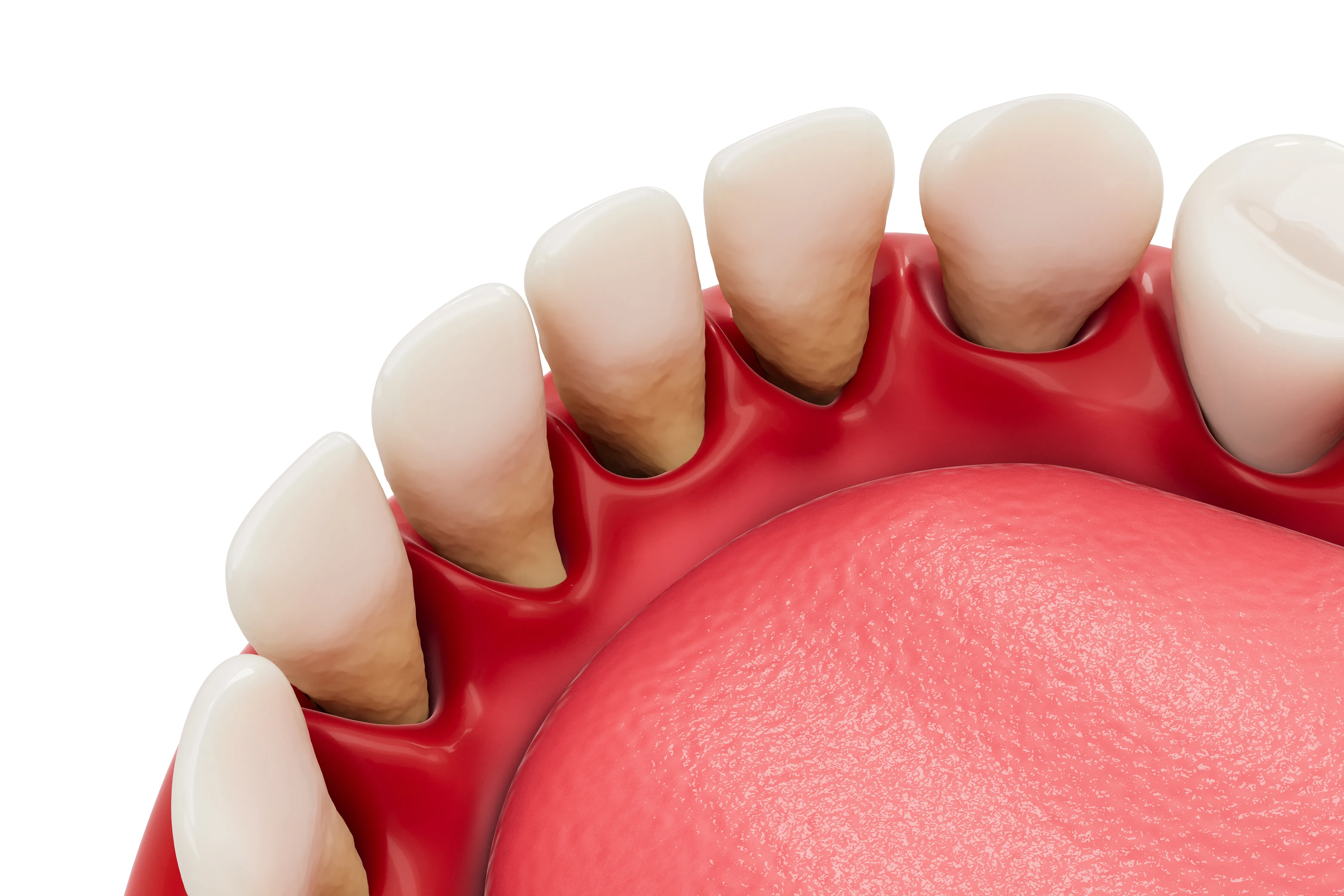
Gum recession exposes the root surface of the tooth, which has no enamel layer. Root dentin is immediately vulnerable to temperature and pressure changes. Recession can be caused by gum disease, aggressive brushing, or genetic factors. See our guide to gum recession →
Aggressive Brushing
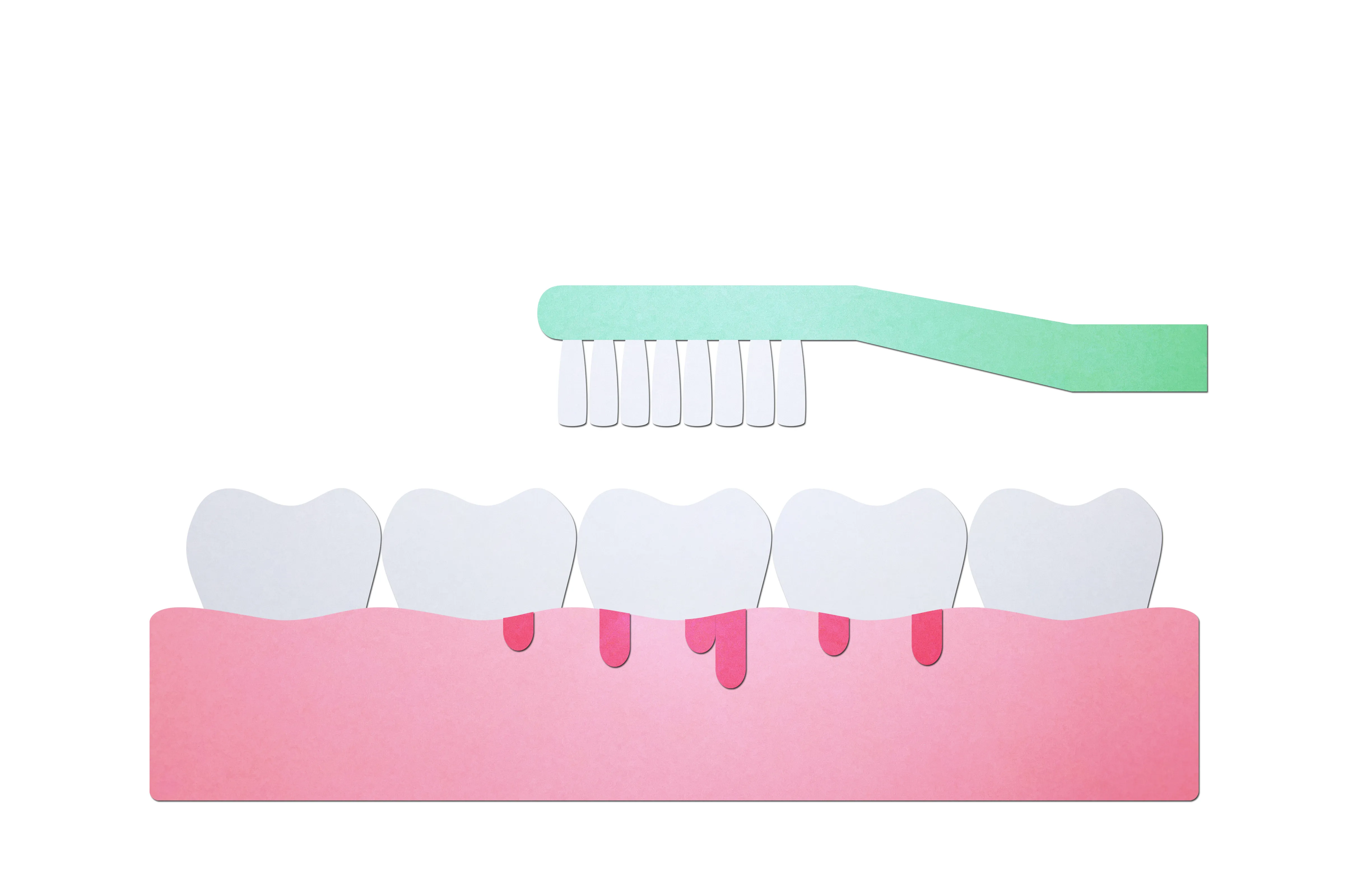
Brushing too hard or using a hard-bristled toothbrush gradually wears down enamel at the gumline and can accelerate recession. This is one of the most preventable causes of sensitivity.
Acidic Diet

Frequent consumption of citrus, vinegar-based foods, soda, and sports drinks creates an acidic oral environment that slowly dissolves enamel. The key word is frequency — the more often acids contact teeth, the less time saliva has to neutralize them.
Teeth Grinding (Bruxism)
.jpeg)
Teeth grinding wears down enamel on the biting surfaces of teeth over time, eventually reaching dentin. Many people grind at night and are unaware of it. See our teeth-grinding guide →
Recent Whitening Treatments
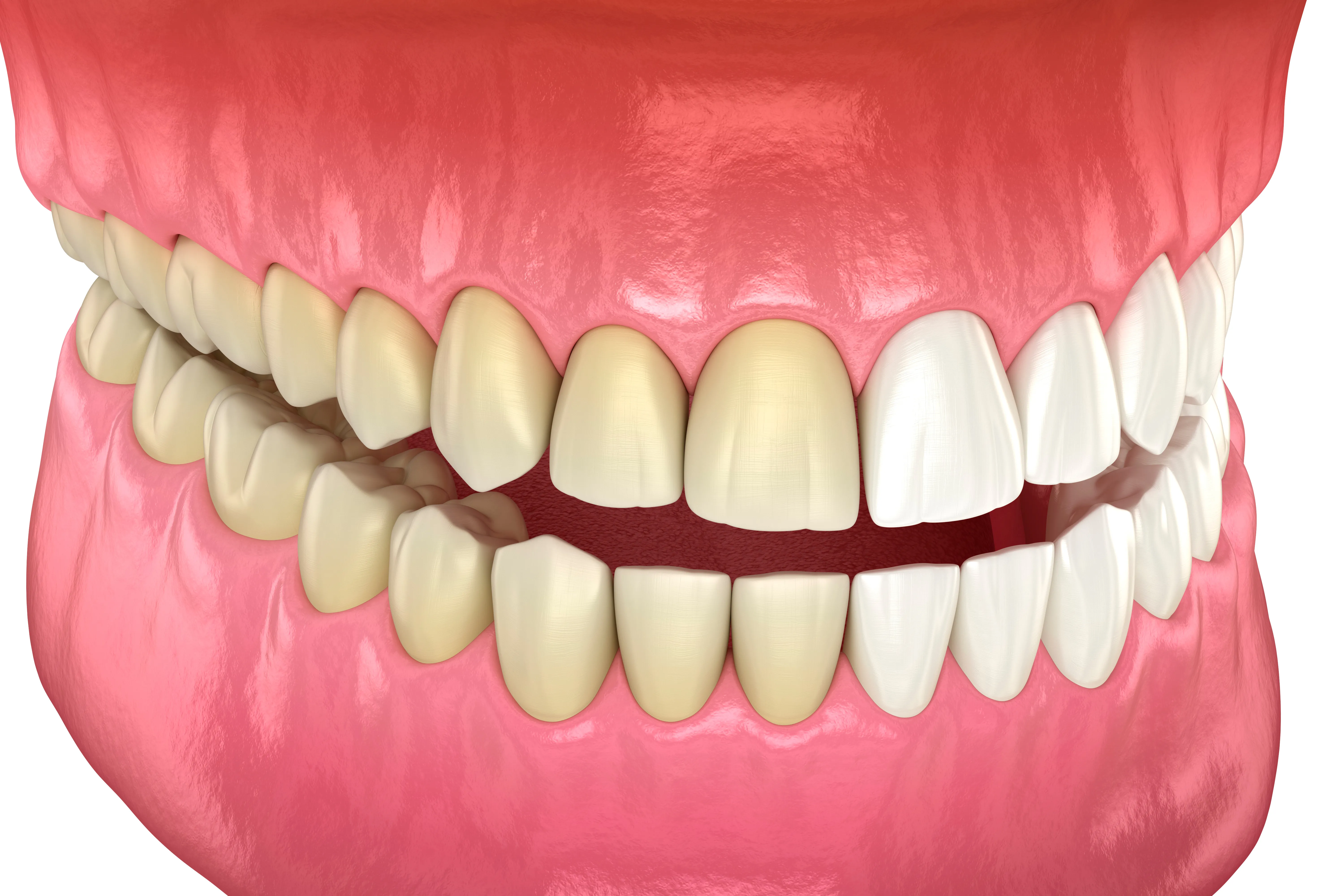
Whitening agents temporarily increase dentin permeability, which is why short-term sensitivity after whitening is common. This type of sensitivity is predictable and usually self-resolving.
Recent Dental Filling
A newly placed filling can cause temporary sensitivity as the tooth adjusts. This usually settles within days to two weeks. If pain lingers or worsens beyond that window, contact your dentist.
Cracked Tooth
A cracked tooth exposes dentin and, in some cases, the pulp. Sensitivity from a crack often presents on a specific tooth and may worsen with biting pressure — a key distinguishing feature from generalized sensitivity.
Gum Disease
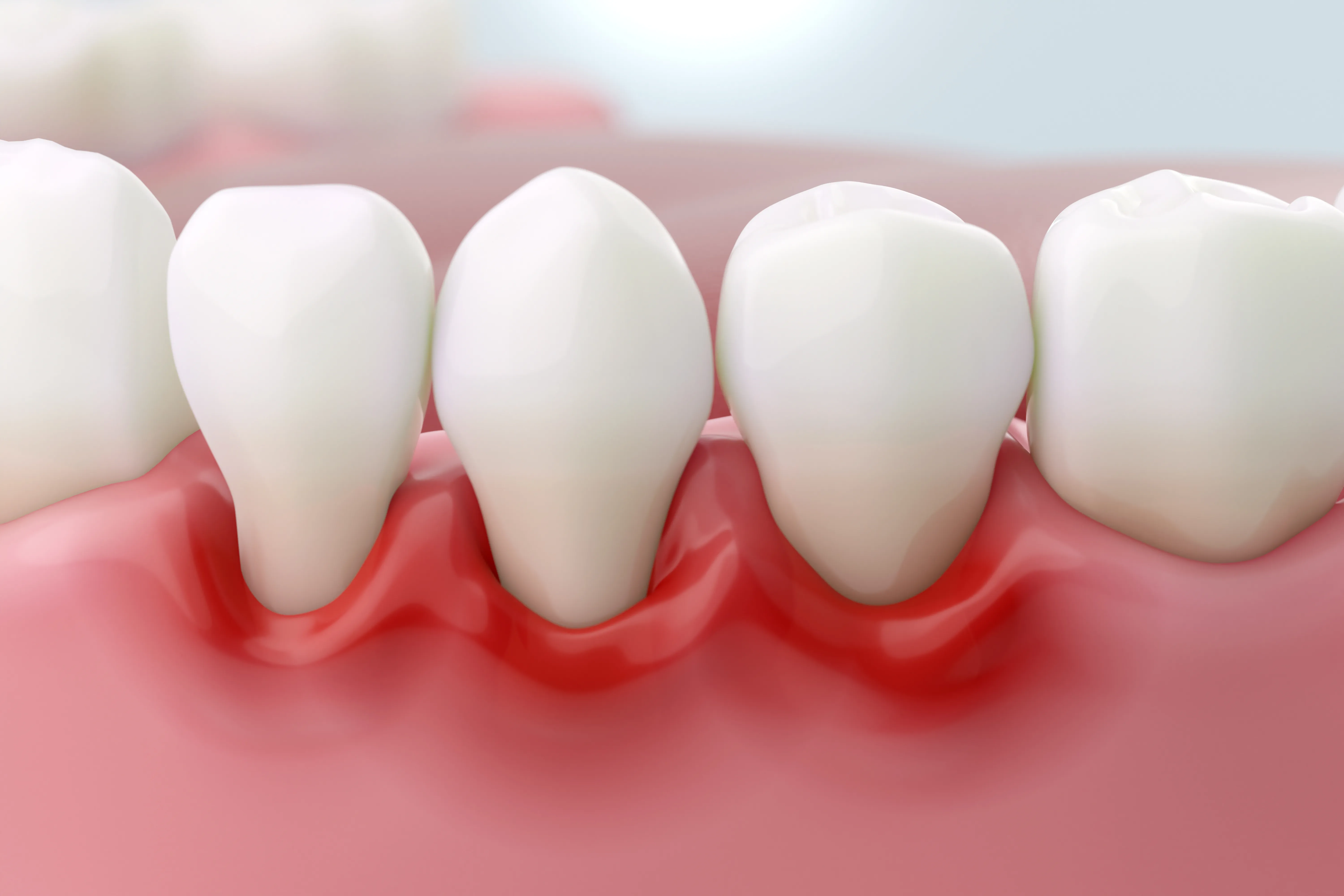
Gum disease causes inflammation and bone loss that leads to recession, exposing root surfaces. Sensitivity associated with gum disease is a signal that the underlying infection needs treatment, not just management of the symptom.
What Does Tooth Sensitivity Feel Like?
Sensitive teeth produce a sharp, short pain — usually lasting only a few seconds — in response to specific triggers. The most common triggers include:
- Cold foods or drinks (ice cream, cold water)
- Hot beverages (coffee, tea)
- Sweet foods
- Sour or acidic foods
- Cold air (breathing in through the mouth on a cold day)
- Brushing or flossing near the affected area
The key distinguishing feature of sensitivity versus a toothache: sensitivity pain is brief and directly linked to a trigger. Once the stimulus is removed, the pain stops. A toothache or cavity-related pain tends to linger, throb, or occur without any obvious trigger. If your pain sticks around for more than a few seconds after the trigger is gone — or if it's waking you up at night — that's a different issue. See our guide to tooth pain →
Why Do Teeth Get Sensitive? The Mechanism Explained
Sensitive teeth hurt because exposed dentinal tubules allow fluid movement that signals pain to the nerve. Here's what that means in plain terms.
Inside dentin, there are thousands of microscopic channels called dentinal tubules that run from the outer surface of the tooth toward the nerve at the center. When dentin is exposed — by recession, erosion, or any other cause — these channels are open to the outside of the tooth.
Temperature changes, sugar, and pressure cause fluid inside those tubules to shift. The nerve at the center of the tooth detects that fluid movement and fires a pain signal. This is called the hydrodynamic theory of dentin sensitivity, and it's the most widely accepted explanation in dental research (According to ‹PubMed citation — TBD›).
This mechanism also explains why desensitizing treatments work: they either block the tubule opening or calm the nerve's response to fluid movement.
How to Stop Sensitive Teeth Pain Immediately
Sensitive teeth pain can be reduced within minutes to days using these at-home strategies, with full effect typically appearing after two to four weeks of consistent use.
1. Switch to a desensitizing toothpaste.
These formulations contain active ingredients — potassium nitrate, stannous fluoride, or arginine — that block dentinal tubules or reduce nerve excitability. Use it twice daily, and don't rinse immediately after brushing. Allow it to sit on the tooth surface.
2. Avoid the trigger temporarily.
Reducing contact with cold, sweet, or acidic foods gives the tooth surface time to respond to treatment without repeated stimulation.
3. Rinse with warm salt water.
A warm saltwater rinse (half a teaspoon of salt in eight ounces of warm water) can reduce oral inflammation and provide temporary relief. Use it once or twice daily.
4. Use a soft-bristled toothbrush.
Switch immediately if you're currently using a medium or hard brush. Pair it with a gentle, circular brushing technique rather than horizontal scrubbing.
5. Pause any whitening treatments.
If sensitivity has coincided with whitening, stop use until symptoms resolve. Read about managing whitening sensitivity →
Realistic expectation: most people notice improvement within one to two weeks of consistent at-home care. Full effect from desensitizing toothpaste usually takes two to four weeks. If pain hasn't improved by then, professional treatment is the appropriate next step.
At-Home Treatment: What the Active Ingredients Actually Do
- Potassium nitrate calms the nerve by reducing its excitability over time. It doesn't block tubules — it reduces how strongly the nerve responds to fluid movement.
- Stannous fluoride forms a protective layer over dentinal tubule openings, physically blocking stimuli.
- Arginine works by plugging tubules with a calcium-rich compound that creates a barrier against fluid movement.
In-Office Treatment Options
In-office desensitization treatments are faster-acting than at-home products and are appropriate when self-care hasn't resolved the issue. Options available at our Wall Township, NJ practice include:
- Fluoride varnish: A concentrated fluoride applied directly to sensitive areas. It accelerates the formation of a protective mineral layer over exposed dentin.
- Dental bonding or sealants: Composite resin is applied to exposed root surfaces or worn areas, physically sealing dentinal tubules.
- Gum graft: When recession is the cause, a soft-tissue graft repositions gum tissue to cover exposed roots. More on gum recession treatment →
- Root canal therapy: Reserved for cases where the pulp (nerve) is chronically inflamed or infected. Root canal treatment eliminates sensitivity at its source.
Tooth Sensitivity After a Filling or Whitening Treatment
After a filling, sensitivity is a normal response to dental work and typically settles within a few days to two weeks. The tooth has been manipulated, and the nerve needs time to calm down. During this period, avoid very hot or cold foods and use a desensitizing toothpaste.
See your dentist if: pain is worsening rather than improving after two weeks, pain is throbbing or spontaneous (not triggered by temperature), or you notice swelling or pressure sensitivity when biting.
After whitening, sensitivity usually peaks within 24–72 hours of treatment and resolves on its own. This is a predictable response to the whitening agent temporarily increasing dentin permeability.
See your dentist if: pain persists beyond 72 hours, is severe, or is localized to one specific tooth rather than generalized across multiple teeth.
How Long Does Tooth Sensitivity Last?
Sensitive teeth caused by temporary factors — such as whitening or a new filling — usually resolve within days to a few weeks. Other causes follow a different timeline:
- Post-whitening sensitivity: typically resolves within 24–72 hours
- Post-filling sensitivity: typically resolves within a few days to two weeks
- Sensitivity from enamel erosion or gum recession: will not self-resolve if the underlying cause isn't addressed — dentin remains exposed until treatment covers it
- Sensitivity from bruxism: will continue and likely worsen without a nightguard to stop the enamel wear
- Sensitivity with gum disease: persists until the infection is treated
The short answer: whether sensitivity goes away on its own depends entirely on what's causing it. Sensitivity linked to a structural problem — recession, erosion, a crack — usually indicates that professional care is needed for lasting relief.
How to Prevent Sensitive Teeth
Sensitive teeth are easier to prevent than to reverse, particularly when enamel erosion or gum recession is involved. These habits reduce your risk:
- Use a soft-bristled toothbrush and gentle technique. Scrubbing hard doesn't clean better — it just removes enamel and irritates gum tissue over time. Use small, circular motions and let the bristles do the work.
- Choose a non-abrasive fluoride toothpaste. Fluoride strengthens enamel. Check the Relative Dentin Abrasivity (RDA) rating on your toothpaste — anything below 70 is considered low-abrasion.
- Limit acidic food and drink frequency. You don't have to eliminate citrus or coffee, but clustering them within meals (rather than sipping throughout the day) gives saliva time to re-mineralize enamel between exposures.
- Don't brush immediately after eating acidic foods. Acid temporarily softens enamel. Brushing within 30 minutes of eating or drinking something acidic removes softened enamel more easily. Wait at least 30 minutes.
- Wear a nightguard if you grind your teeth. A custom nightguard from your dentist prevents the enamel wear that accumulates over months and years of nocturnal grinding.
- Stay on top of gum health. Regular cleanings remove the plaque and tartar buildup that contributes to gum disease and the recession that follows.
When Should You See a Dentist for Sensitive Teeth?
Sensitive teeth warrant a dental visit when the pain goes beyond the typical short, sharp response to a known trigger. Contact a dentist promptly if you notice:
- Pain that doesn't stop after the trigger is removed — especially if it lingers for more than 30 seconds
- Throbbing or spontaneous pain with no obvious cause
- Pain concentrated in one specific tooth, which may indicate a crack, cavity, or abscess
- Swelling, visible holes, or darkening of a tooth
- Sensitivity that has gotten worse over weeks rather than better
- No improvement after two to four weeks of consistent desensitizing toothpaste use
These symptoms usually indicate something beyond surface-level sensitivity — and in most cases, waiting makes the problem harder to treat. More information on dental pain →
Patients in Wall Township, NJ can call us directly or book online for a same-day or next-day evaluation. We'll identify the cause, rule out anything serious, and outline the most straightforward path to relief
People Ask
 Dr. Roy Burkhalter, DDS
.svg)